Mount Pleasant Massage Therapy That Fits Real Life

Some tension announces itself loudly – a stiff neck after a long week, low back tightness after travel, shoulders that seem to live somewhere near your ears. Other stress settles in more quietly. You sleep, but not deeply. Your jaw stays clenched through meetings. By Friday, your body feels tired in a way that a night in does not quite fix. That is where Mount Pleasant massage therapy becomes more than an occasional treat. For many women balancing work, family, fitness, social obligations, and the pressure to stay polished through it all, it can be part of staying well.
The most effective massage is not just relaxing. It is specific. It meets you where your body is on that day and works with your goals, whether that means deeper muscle relief, nervous system support, or simply an hour where you are not needed by anyone else.
Why Mount Pleasant massage therapy feels different when it is personalized
A massage should never feel generic, especially if your stress is not generic. Some clients come in carrying obvious physical strain from commuting, strength training, desk work, or repetitive movement. Others are dealing with the cumulative effects of mental load, poor sleep, hormonal changes, or simple overextension. The body does not separate emotional stress from physical tension very neatly, which is why a thoughtful approach matters.
Personalized massage therapy starts with listening. Where are you holding tension? How much pressure feels restorative rather than overwhelming? Are you looking for focused muscle work, full-body relaxation, or a balance of both? Those details shape the experience and, more importantly, the result.
This is often the difference between a massage that feels pleasant for an afternoon and one that leaves you breathing more deeply, moving more easily, and feeling genuinely reset. In a boutique wellness setting, that level of attention tends to be part of the experience. The room is calmer. The pace is less rushed. The treatment is designed around you rather than around a standard script.
What massage therapy can actually help with
There is a tendency to talk about massage in vague feel-good terms, but the real benefits are often much more practical. If you sit at a desk for hours, you may notice chronic tightness through the neck, upper back, and hips. If you exercise regularly, your muscles may recover better with consistent bodywork. If your stress level stays elevated, massage can help shift your nervous system out of a constant state of alert.
For many clients, the benefit is cumulative. One session can absolutely bring relief, but regular appointments often create more noticeable change over time. Headaches linked to shoulder and neck tension may become less frequent. Sleep may improve. You may catch yourself before stress physically spirals into pain.
That said, massage is not a cure-all, and it works best when expectations are realistic. If you have long-standing postural strain or heavy training fatigue, one appointment may start the process rather than finish it. If your body is inflamed or especially sensitive, a gentler approach may be more effective than deep pressure. Better is not always deeper.
Choosing the right style of Mount Pleasant massage therapy
The best treatment depends on what your body needs now, not what sounds impressive on a menu. A relaxation-focused massage is ideal when your nervous system feels overloaded and your main goal is to unwind, rest, and release general tension. This type of session can be especially valuable if stress is affecting your sleep, mood, or ability to focus.
A deeper therapeutic massage may make more sense if you have persistent knots, restricted movement, or concentrated areas of muscular tightness. It is often a better fit for clients who know exactly where discomfort lives – between the shoulder blades, across the low back, or through the hips and legs.
There is also real value in a blended approach. Many people do not need an aggressively deep session from start to finish. They need focused work in a few problem areas and a calming, restorative flow everywhere else. That combination can leave you feeling both physically relieved and mentally settled.
If you are unsure what to book, that uncertainty is normal. A reputable spa or wellness clinic should help guide you based on your symptoms, stress level, and preferences rather than pushing the most intense option.
The signs it is time to book a massage
You do not need to wait until pain becomes impossible to ignore. In fact, waiting too long is often why tension feels so stubborn. If you are waking up stiff, getting frequent tension headaches, feeling unusually irritable, or noticing that stress is showing up physically, your body is already asking for support.
Sometimes the sign is subtler. You are keeping up with everything, but it feels harder than it should. Your shoulders stay tight no matter how often you stretch. You cannot fully relax even when your schedule briefly opens up. That is often the point where massage shifts from indulgence to maintenance.
For women with demanding calendars, regular bodywork can be one of the few appointments that is both restorative and productive. You are not choosing between feeling better and getting something done. You are doing both.
What to expect from a higher-quality massage experience
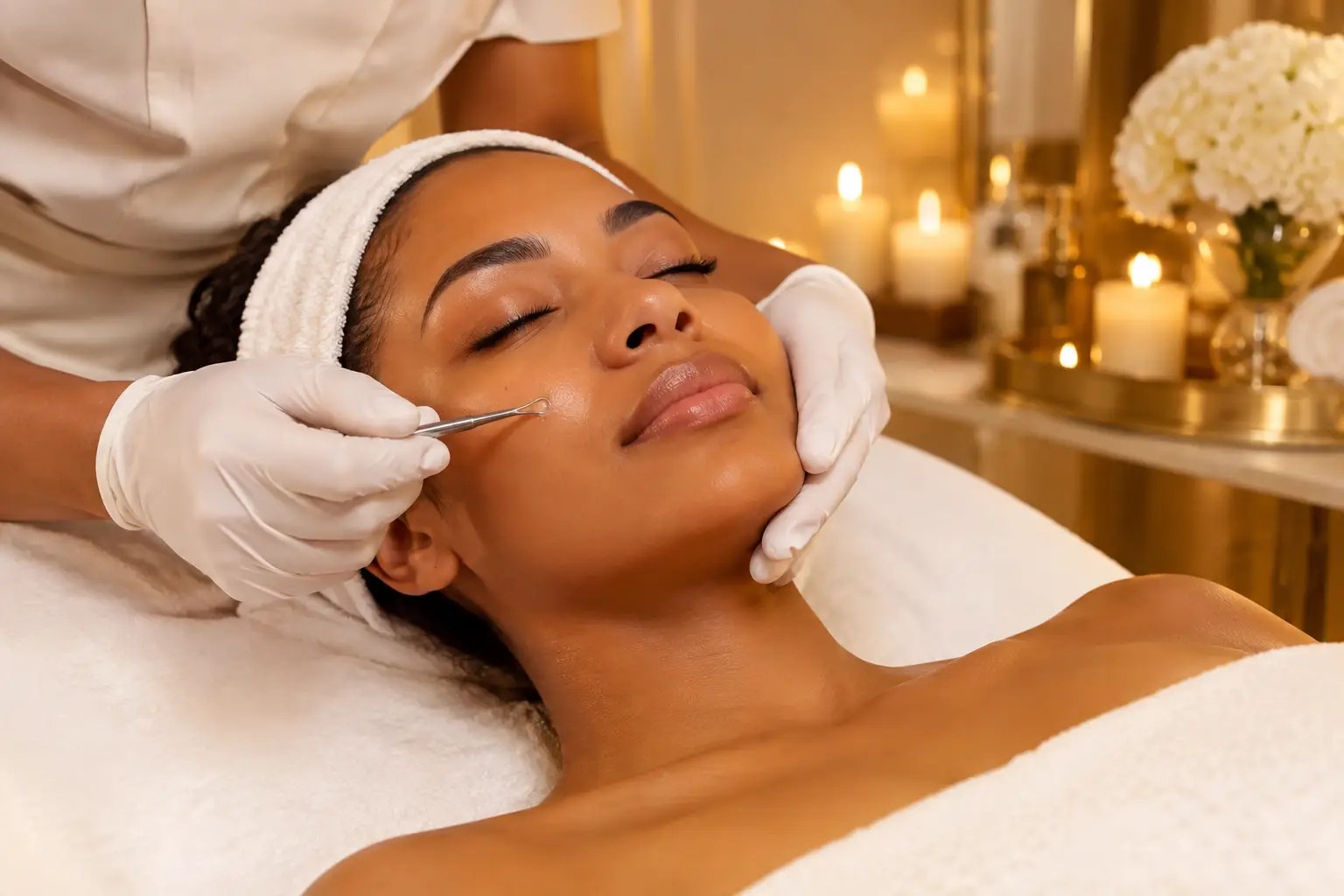
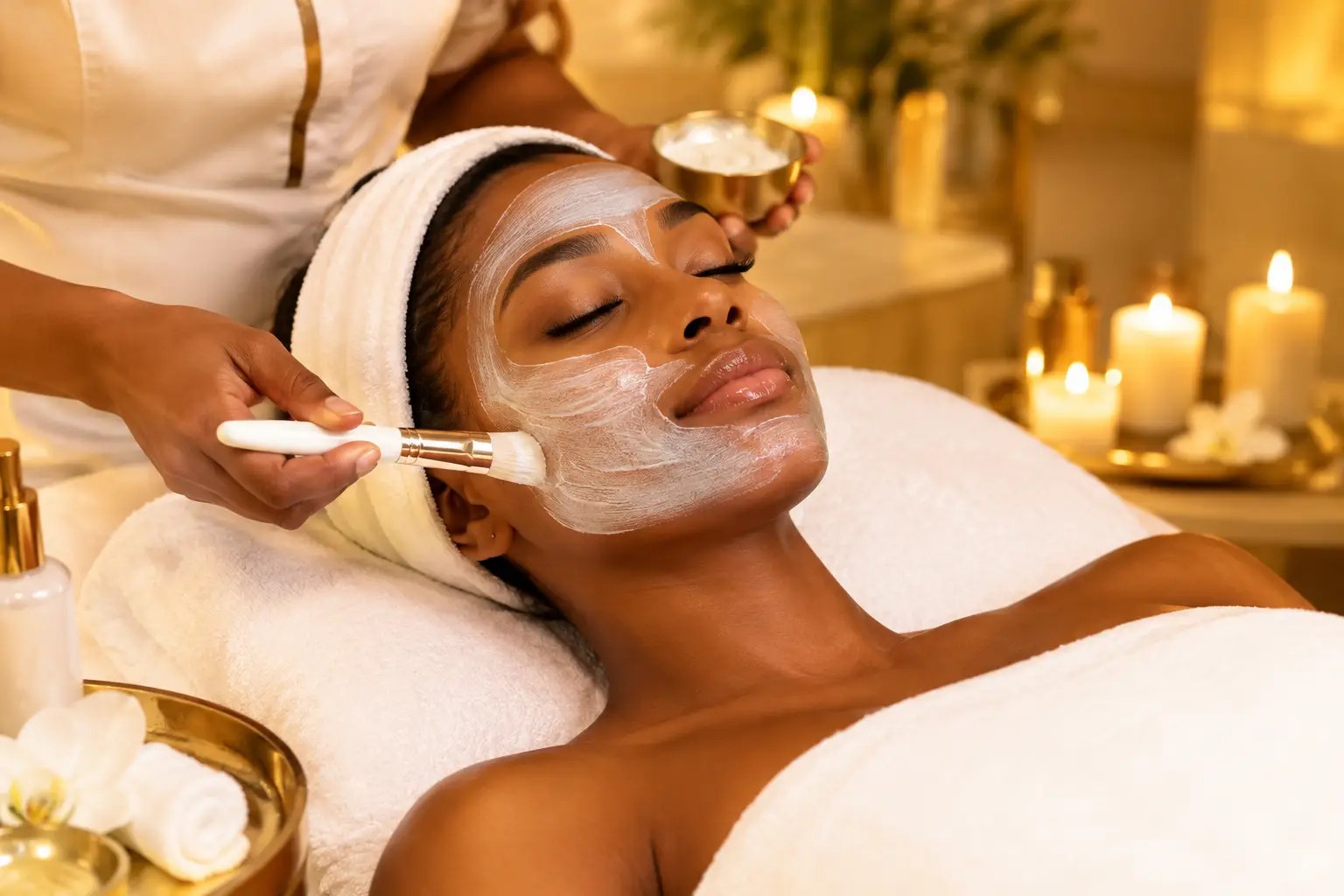
The setting matters more than people think. A beautiful, serene environment can help your body settle before the treatment even begins, which allows the massage itself to work more effectively. When the experience is rushed, noisy, or impersonal, it is harder to fully let go.
Quality care also includes professionalism, consultation, and comfort. You should feel clear on what the session is intended to address. Pressure should be adjusted to your needs, not your tolerance for discomfort. The goal is therapeutic relief, not enduring pain to prove you are getting your money’s worth.
This is one reason many clients prefer a wellness-focused spa environment over a bare-bones option. Expertise and ambiance are not opposites. The most memorable experiences combine both – polished service, personalized treatment, and a genuine sense of calm from the moment you arrive.
At Mink Total Medical Spa & Wellness, that blend of luxury and intentional care is part of what makes massage therapy feel less like an errand and more like an exhale.
Massage works even better when recovery continues at home
An in-spa massage can do a great deal, but how you support your body afterward matters. Hydration helps, of course, but recovery is not only about drinking water. It is also about protecting the benefits of the session. If possible, avoid jumping right back into a punishing workout, hours of poor posture, or an overstimulating evening.
Simple rituals can extend the effects. A warm shower, light stretching, an earlier bedtime, and a quieter evening often help your body hold onto that post-massage ease. If stress tends to show up everywhere at once – in your muscles, your skin, your sleep – a more complete wellness routine can make a difference.
This is where pairing body treatments with smart self-care becomes valuable. Consistent facials, supportive skincare, and restorative wellness services all speak to the same goal: helping you feel well cared for rather than constantly playing catch-up. For clients who invest in looking polished, it makes sense to support the body underneath that polished exterior too.
How often should you get massage therapy?
It depends on your lifestyle, stress level, and current symptoms. If you are managing active tension, training soreness, or a season of high stress, every two to four weeks can be very effective. If your goal is maintenance and relaxation, monthly sessions are often enough to keep you feeling balanced.
There is no perfect schedule that fits everyone. A trial-and-adjust approach usually works best. Start with your current level of discomfort and your actual calendar, not your ideal one. Consistency matters more than ambition. A realistic monthly appointment tends to do more for long-term wellness than booking three sessions close together and then disappearing for six months.
Massage should fit into real life. It should support your routine, not become another thing to manage.
A more thoughtful way to approach self-care
The phrase self-care gets used so casually that it can start to feel trivial, but caring for your body in a meaningful way is not frivolous. It is often what allows you to keep showing up at the level your life demands. Massage therapy can help you feel less depleted, more comfortable in your body, and more connected to yourself after long stretches of giving energy outward.
If you are considering Mount Pleasant massage therapy, the best place to start is with honesty. Notice what your body has been tolerating. Notice what stress is costing you. Then choose care that is equal to the life you are actually living, not just the life that looks manageable from the outside.
Sometimes the most useful luxury is the one that helps you feel like yourself again.