Chemical Peel vs Facial: Which Fits Your Skin?

Some appointments are about exhaling for an hour. Others are about changing your skin. When clients ask about chemical peel vs facial, they are usually not asking which treatment sounds better on a menu. They want to know which one will actually make sense for acne, dullness, uneven tone, fine lines, sensitivity, and real life.
The honest answer is that these treatments are not interchangeable. A facial and a chemical peel can both improve the skin, but they do it in very different ways, with different timelines, different levels of intensity, and different expectations afterward. Choosing well starts with understanding what each treatment is designed to do.
Chemical peel vs facial: the real difference
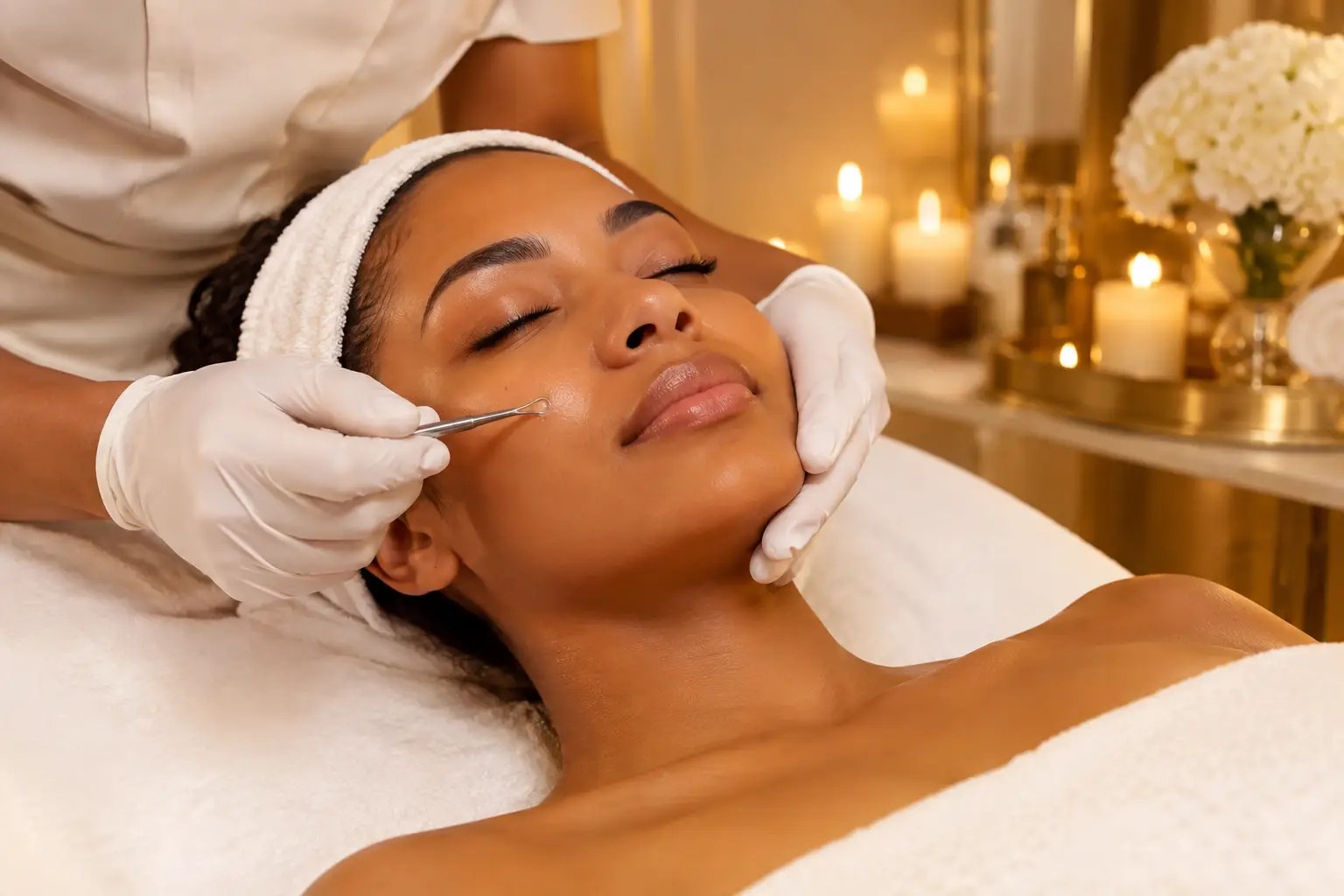
A facial is typically a hands-on treatment focused on cleansing, exfoliation, hydration, extractions when appropriate, and overall skin support. It can be deeply relaxing, but that does not mean it is purely indulgent. A well-designed facial can calm inflammation, soften congestion, restore moisture, and help the skin function better.
A chemical peel is a more corrective treatment. It uses a professional acid blend or exfoliating solution to accelerate cell turnover and target specific concerns such as acne, hyperpigmentation, rough texture, sun damage, and certain signs of aging. Rather than simply refreshing the skin in the moment, a peel is meant to create a more noticeable change over time.
That is the core distinction in any chemical peel vs facial discussion. Facials tend to support and maintain. Chemical peels tend to correct and renew.
What a facial does best
A facial is often the right starting point for clients who want healthier-looking skin without significant downtime. It can be customized for dehydration, mild congestion, sensitivity, tired skin, or the general feeling that your complexion has lost its glow.
For busy professionals, this matters. Sometimes the goal is not aggressive correction. Sometimes the goal is to look polished, rested, and well cared for without worrying about visible peeling before meetings, travel, or social events.
Facials also make sense when your skin barrier feels compromised. If your skin is reacting to stress, weather shifts, overuse of active ingredients, or inconsistent home care, a restorative facial can help rebalance things before moving into stronger treatments. In these cases, doing more is not always doing better.
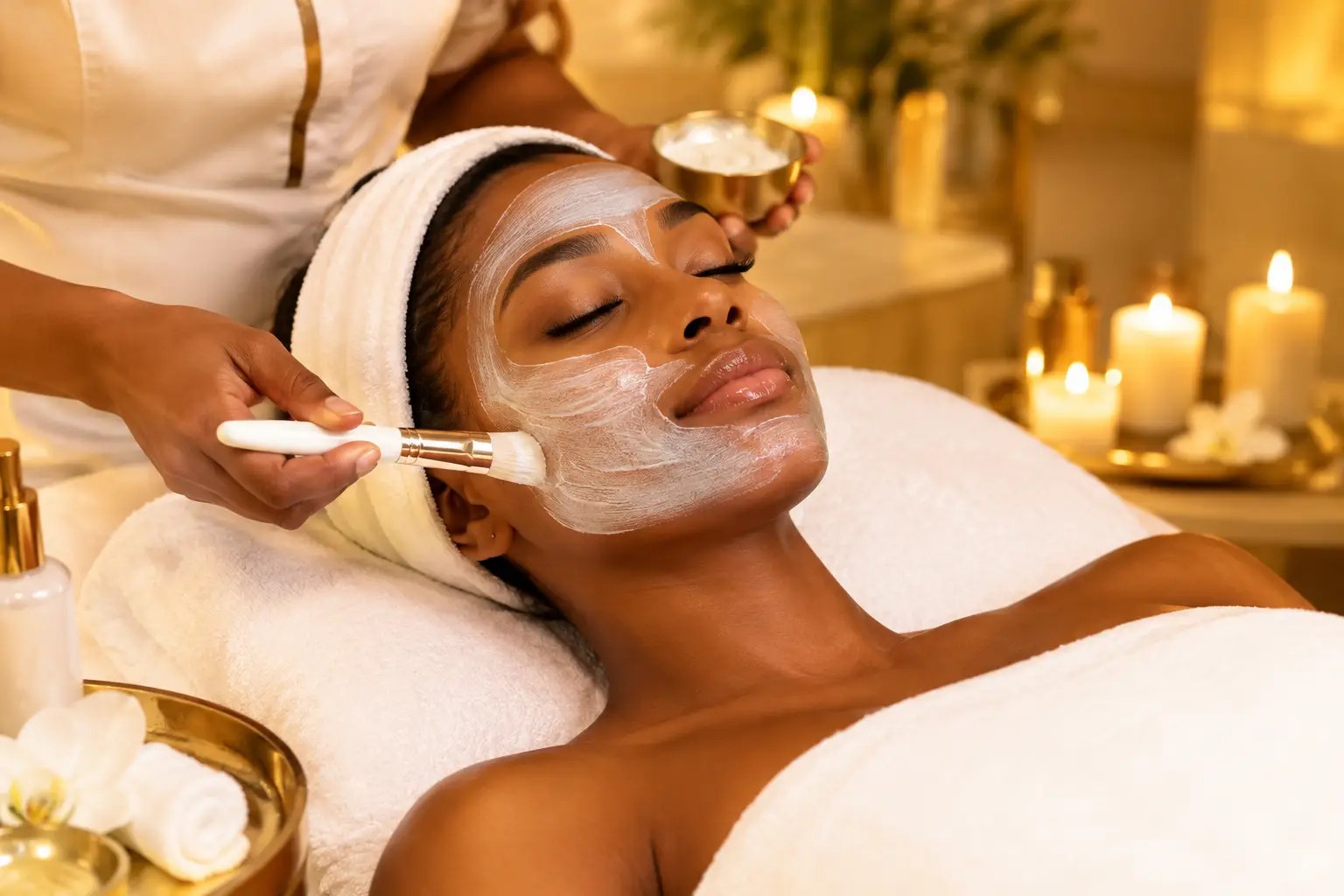
A quality facial may include enzymatic exfoliation, gentle extractions, calming masks, hydration-focused serums, and massage techniques that support circulation and relaxation. That combination can leave the skin smoother, brighter, and more comfortable almost immediately.
What a chemical peel does best
When the goal is visible correction, a chemical peel often has the edge. Professional peels can be selected in different strengths and formulas, which allows them to address concerns with more precision than a standard facial usually can.
If breakouts linger long after your twenties, if old acne marks are slow to fade, or if sun exposure has left uneven pigment across the cheeks and forehead, a peel can help speed up the skin renewal process. It can also improve texture and soften the look of fine lines, especially when performed as part of a treatment series.
That said, a chemical peel is not automatically the stronger choice for every person. Stronger is not the same as smarter. A peel requires thoughtful prep, proper aftercare, and an honest look at whether your skin is currently healthy enough to tolerate it. The best outcomes come from selecting the right peel, not the most aggressive one.
Which treatment is better for acne?
This is where it depends on the type of acne, the level of inflammation, and the current condition of your skin.
For mild congestion, blackheads, and skin that feels a bit dull and clogged, a facial with careful exfoliation and extractions can be extremely helpful. It clears the surface, supports cleanliness in the pores, and often gives clients a fresh reset.
For recurring acne, oily buildup, post-acne discoloration, and stubborn texture, a chemical peel may be more effective because it works deeper on cell turnover and pore congestion. Certain peels are especially useful for acne-prone skin, but they need to be matched to your sensitivity level and routine.
If you are actively broken out and also irritated, a calming facial may be the better first move. Once inflammation is more controlled and your home routine is consistent, chemical peels can become a stronger corrective option.
Which treatment is better for aging and pigmentation?
For fine lines, uneven tone, and sun damage, chemical peels usually offer more noticeable correction. A facial can brighten and hydrate the skin beautifully, which improves how the skin looks right away, but a peel is generally more effective for changing lingering discoloration and texture over a longer period.
This is especially true if your main concern is not dryness but dullness, roughness, or pigmentation that makeup no longer fully covers. A series of appropriately spaced peels can help create a smoother, more even-looking complexion.
Still, there are moments when a facial is the more elegant choice. If your skin is mature but also dry, delicate, or reactive, jumping straight into exfoliating treatments can backfire. Hydration, barrier support, and skin conditioning may need to come first.
Downtime, peeling, and what to expect
One of the biggest differences in chemical peel vs facial comes down to what happens after the appointment.
Most facials have little to no downtime. You may leave with a healthy glow, slight pinkness, or mild sensitivity if extractions were performed, but many people return to normal activities the same day.
Chemical peels vary. Some are very light and cause minimal flaking. Others can lead to several days of dryness, tightness, visible peeling, or temporary sensitivity. This is not always dramatic, but it is something to plan around. If you have an important event in two days, a peel may not be your best timing.
After a peel, sun protection becomes nonnegotiable. The same is true for a smart home-care routine. Gentle cleansing, hydration, and post-treatment products chosen for healing matter just as much as the peel itself. This is where professional guidance makes a visible difference, especially for clients who want results without unnecessary irritation.
Can you get both?
Absolutely, and for many people that is the best approach.
Facials and chemical peels do not need to compete. They can work together beautifully within a treatment plan. A facial might prepare the skin, maintain balance between more corrective services, or offer recovery support during seasons when your skin needs nourishment rather than intensity.
A peel can then be introduced strategically for pigment, texture, breakouts, or age-related concerns. The key is timing and customization. Layering too much exfoliation too quickly is rarely luxurious and never wise.
In a practice that blends spa-level care with corrective expertise, this is often where the client gets the best of both worlds. You do not have to choose between results and restoration when the treatment plan is built around your skin rather than a one-size-fits-all schedule.
How to decide what your skin needs right now
If your main priority is relaxation, hydration, barrier support, or a fresh glow before an event, start with a facial. If your priority is correcting acne marks, pigmentation, rough texture, or persistent dullness, a chemical peel may be the better fit.
Ask yourself a few practical questions. Is your skin currently irritated or stable? Do you want immediate radiance or longer-term correction? Can you commit to aftercare and daily SPF? Are you looking for a single treatment before a special occasion, or are you ready for a series designed to build results?
Those questions matter because skin decisions live in real life. A treatment should match your schedule, your goals, and your skin’s current tolerance.
Professional consultation also matters more than people realize. Two clients can both say they want brighter skin, yet one may need barrier repair and the other may be an ideal peel candidate. This is why expert assessment is worth it. A polished result rarely comes from guessing.
Supporting your results at home
Whether you choose a facial or a peel, home care shapes the outcome. Gentle cleansers, hydrating serums, moisturizer, and broad-spectrum SPF are foundational. If you are acne-prone or pigment-prone, targeted products can extend the benefits of professional treatments and help prevent the cycle from starting over.
This is also where curated professional skincare can be especially valuable. Medical-grade formulas for cleansing, correction, hydration, SPF, and chemical peel aftercare tend to be more purposeful than impulse buys, and they are easier to use consistently when they are recommended around your actual treatment plan.
The best skin rarely comes from a single service. It comes from thoughtful treatment choices, consistency, and knowing when your skin needs correction versus care. If you are deciding between the two, the right answer is usually the one that respects both your goals and your skin’s current reality.