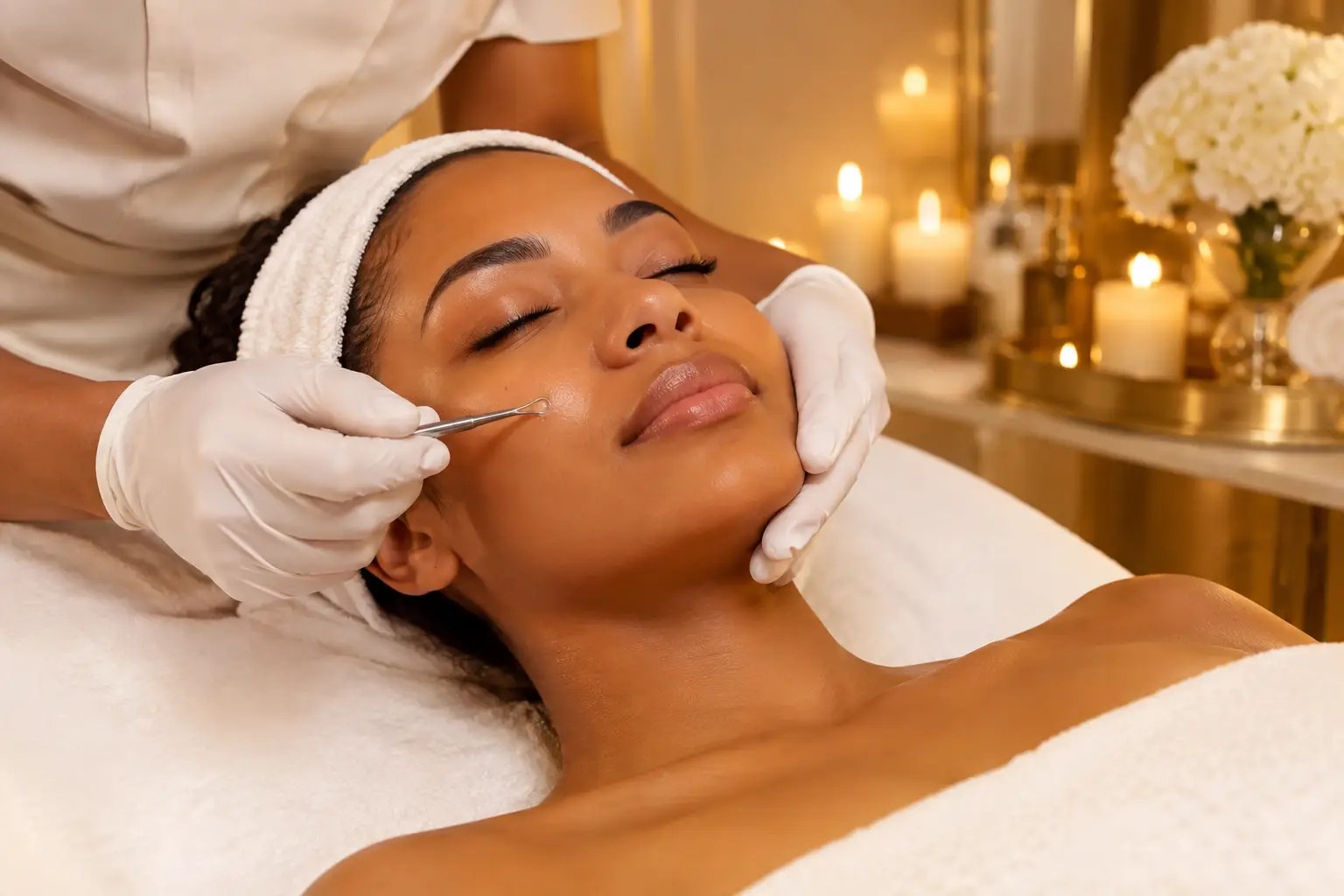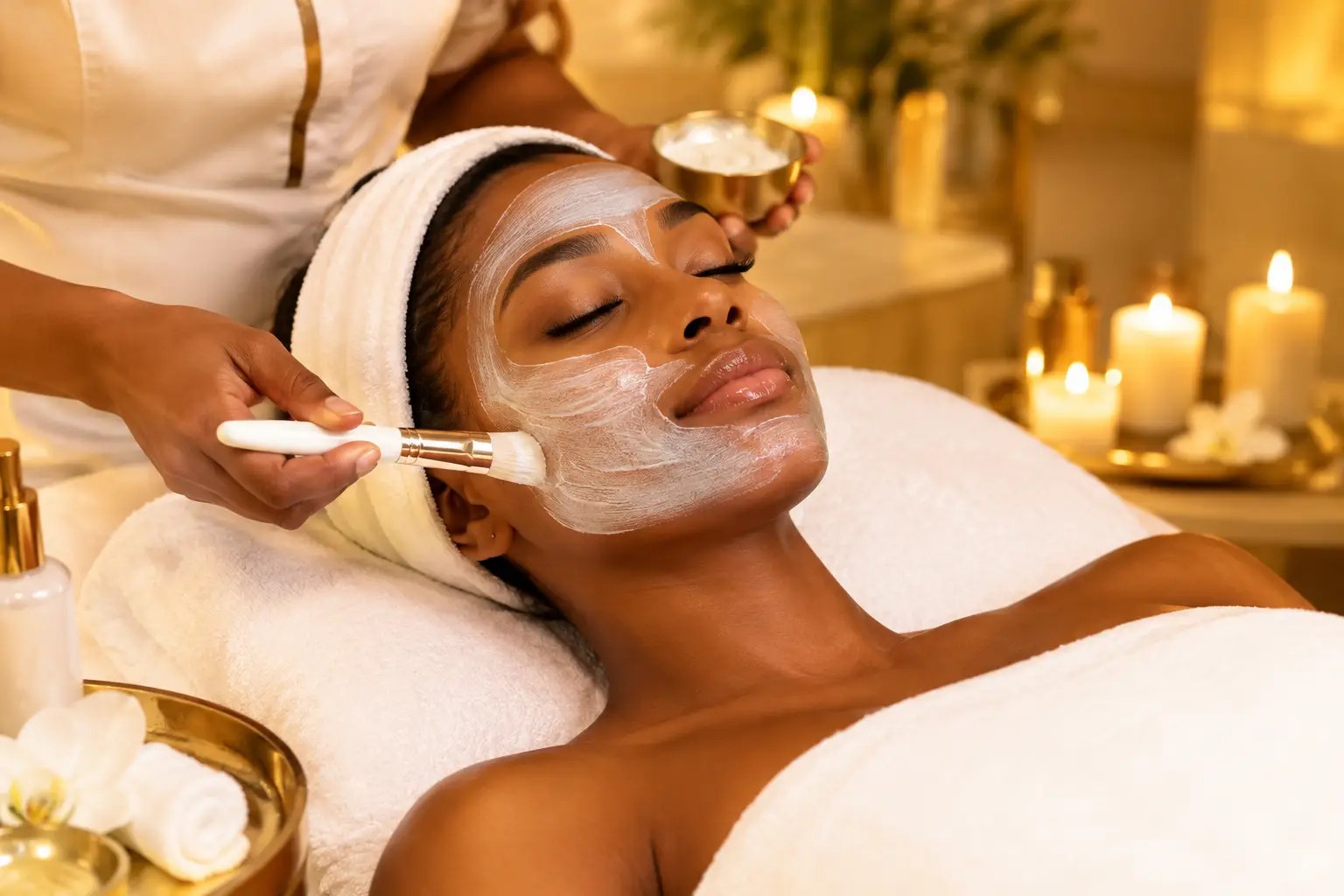
Post Facial Skincare Routine That Protects Results

Freshly treated skin has a look you cannot fake – cleaner, smoother, more even, and just a little more rested. But what you do in the next 24 to 72 hours matters almost as much as the facial itself. A thoughtful post facial skincare routine helps preserve that glow, reduces the chance of irritation, and gives your skin the quiet support it needs after professional treatment.
The mistake most people make is assuming more skincare equals better results. Right after a facial, your skin is often more receptive, but it can also be more reactive. Extractions, exfoliation, enzymes, masks, massage, and targeted treatment products all affect the skin barrier in different ways. That means the best aftercare is rarely aggressive. It is usually gentle, protective, and intentionally simple.
Why your post facial skincare routine matters
A professional facial can leave your skin beautifully refreshed, but it may also leave it temporarily sensitized. Even when there is no visible redness, the skin barrier may be in a more delicate state. That is especially true after deep cleansing, exfoliating acids, dermaplaning, extractions, or corrective treatments designed to increase cell turnover.
Your post facial skincare routine should do three things well. It should support recovery, prevent unnecessary inflammation, and maintain the benefits of treatment. If you go home and immediately use retinol, a grainy scrub, or a strong acne treatment, you can interrupt that recovery window and turn a good treatment into several days of avoidable irritation.
This is where personalized guidance matters. The right routine depends on the kind of facial you had, your baseline skin sensitivity, and whether you are managing concerns like acne, rosacea, dehydration, or post-inflammatory pigmentation.
The first 24 hours after a facial
For most clients, the first day is about restraint. Cleanse gently, moisturize consistently, and protect your skin from heat, friction, and sun exposure. If your provider recommended very specific aftercare, always follow those instructions first, especially after advanced exfoliation or corrective treatments.
Use a gentle cleanser that removes surface debris without stripping. Cream, gel-cream, or low-foam cleansers are often the safest choice. Your skin should feel clean after washing, not tight. If it feels squeaky or dry, the cleanser is too harsh for this moment.
Follow with hydration and barrier support. A calming toner or essence can be helpful if it is alcohol-free and designed to soothe rather than exfoliate. Then apply a moisturizer that focuses on replenishing the skin with ingredients like hyaluronic acid, glycerin, ceramides, squalane, or panthenol. This is not the time for a highly active serum lineup.
Sunscreen is non-negotiable. After a facial, your skin may be more vulnerable to UV exposure, and that matters even more if exfoliation was part of your treatment. Choose a broad-spectrum SPF 30 or higher and reapply if you are outdoors. If your skin feels tender, a mineral sunscreen can be a more comfortable option than a heavily fragranced formula.
It is also wise to skip workouts, steam rooms, saunas, hot yoga, and very hot showers for the rest of the day. Heat can intensify redness and make skin feel more inflamed, particularly after extractions or exfoliating treatments.
What to avoid in a post facial skincare routine
The shortest answer is this: avoid anything that stings, scrubs, overheats, or over-corrects.
That includes retinoids, exfoliating acids, benzoyl peroxide unless specifically instructed, physical scrubs, cleansing brushes, and strong spot treatments for at least a day or two. Fragrance-heavy products can also be a problem for sensitized skin, even if they normally feel fine. If you use multiple treatment serums at home, this is a good time to scale back.
Makeup is another it-depends category. After a gentle relaxation facial, many people can wear light makeup the next day without issue. But after extractions, dermaplaning, peels, or more corrective treatments, it is often better to let the skin breathe for the remainder of the day. Freshly treated skin can be more prone to congestion or irritation when covered too soon.
Picking at your skin deserves its own warning. If a facial brought underlying congestion to the surface, that does not mean it should be squeezed at home. Post-treatment skin is easier to damage, and one impatient moment can leave lingering marks that last much longer than the breakout itself.
A simple morning and evening routine
The best post facial skincare routine is usually a short one. In the morning, cleanse lightly if needed, apply a hydrating serum or calming toner, use moisturizer, then finish with SPF. If your skin is not oily when you wake up, even a splash of lukewarm water followed by hydration and sunscreen may be enough.
At night, use a gentle cleanser, apply a soothing serum if your esthetician recommended one, and seal everything in with moisturizer. If your skin is feeling dry or mildly tight, a richer cream can be helpful for a night or two. If you are acne-prone and worry that richer products will clog pores, choose non-comedogenic formulas designed to support the barrier without leaving a heavy residue.
For many clients, this simplified routine is all that is needed for 48 hours. After that, you can slowly reintroduce your regular actives based on how your skin feels, not just on habit.
When to restart active ingredients
This is where many routines go sideways. People often restart exfoliants or retinol too soon because their skin looks good and they do not want to lose momentum. But skin that looks bright is not always skin that is ready for another layer of stimulation.
If you had a classic hydrating or relaxation facial with minimal exfoliation, you may be able to restart gentle actives within 24 to 48 hours. If your treatment included enzymes, acids, dermaplaning, or extensive extractions, waiting 48 to 72 hours is often a safer plan. For chemical peels or more intensive corrective services, your provider may recommend a longer pause.
A good rule is to bring back one active at a time. Start with the product your skin typically tolerates best. If you use both retinol and exfoliating acids, do not restart them on the same night. Give your skin a chance to respond before returning to your full regimen.
Post facial skincare routine by skin concern
If your skin tends to be dry or dehydrated, your focus should stay on moisture retention. That means humectants, barrier creams, and diligent SPF. A hydrating mist can feel lovely during the day, but it should support your routine, not replace moisturizer.
If you are acne-prone, keep the routine calm but not careless. It is common to experience minor purging or a few areas of congestion after extractions. Resist the urge to attack your skin with every acne product you own. A gentle cleanser, lightweight hydrator, and moisturizer are still essential, because dehydrated skin can become more inflamed and produce more oil in response.
If you are prone to redness or rosacea, be especially careful with temperature and stimulation. Avoid hot environments, spicy food if it is a known trigger, and over-layering products. Skin that flushes easily benefits from consistency more than intensity.
If your concern is discoloration or melasma, sun protection becomes even more critical after a facial. One brightening treatment will not do much if UV exposure is undoing your progress. This is one of the clearest cases where daily SPF and smart aftercare protect your investment.
Professional products make a difference
There is a reason estheticians recommend specific homecare after treatment. Professional skincare is often formulated with better delivery systems, more elegant textures, and ingredient combinations that support recovery without unnecessary irritation. The goal is not to overwhelm your shelf. It is to use fewer, better-chosen products that match what your skin actually needs.
At Mink Total Medical Spa & Wellness, this is part of the broader treatment philosophy. In-spa services are paired with curated homecare that helps clients maintain results between appointments, whether they are focused on breakouts, sensitivity, texture, or healthy aging. That kind of continuity matters, because beautiful skin is rarely the result of one appointment alone.
Signs your skin needs extra support
A little pinkness or sensitivity can be normal after some facials. Persistent burning, worsening redness, swelling, or a rash is not. If your skin feels increasingly uncomfortable instead of gradually calmer, pause your active products and contact your provider for guidance.
Sometimes the issue is not the facial itself but what was used afterward. A familiar retinol, a strong vitamin C, or even an exfoliating pad that usually works well can suddenly feel too aggressive on freshly treated skin. Listening to that change early can save you several days of repair.
Healthy skin after a facial should feel comfortable, balanced, and quietly radiant. Not tight. Not hot. Not overworked.
The best results tend to come from a simple truth people often overlook: when your skin has just been professionally cared for, it does not need more pressure from you. It needs calm, consistency, and a little patience so the treatment can keep doing its work.