Corrective Skincare Treatment Guide

Clearer skin rarely comes from one miracle product or a single facial. More often, it comes from a thoughtful corrective skincare treatment guide – one that matches your skin’s actual condition, respects your lifestyle, and builds results over time instead of chasing quick fixes.
For many women, the frustration is not a lack of effort. It is using the wrong intensity, the wrong combination of treatments, or a home routine that works against professional care. If your skin feels unpredictable, congested, dull, sensitive, or marked by pigment and uneven texture, the right plan should feel less overwhelming and more precise.
What corrective skincare really means
Corrective skincare is not just about making skin look better for a few days. It is a professional, results-focused approach designed to improve concerns such as acne, post-breakout discoloration, rough texture, sun damage, dehydration, congestion, and early visible aging.
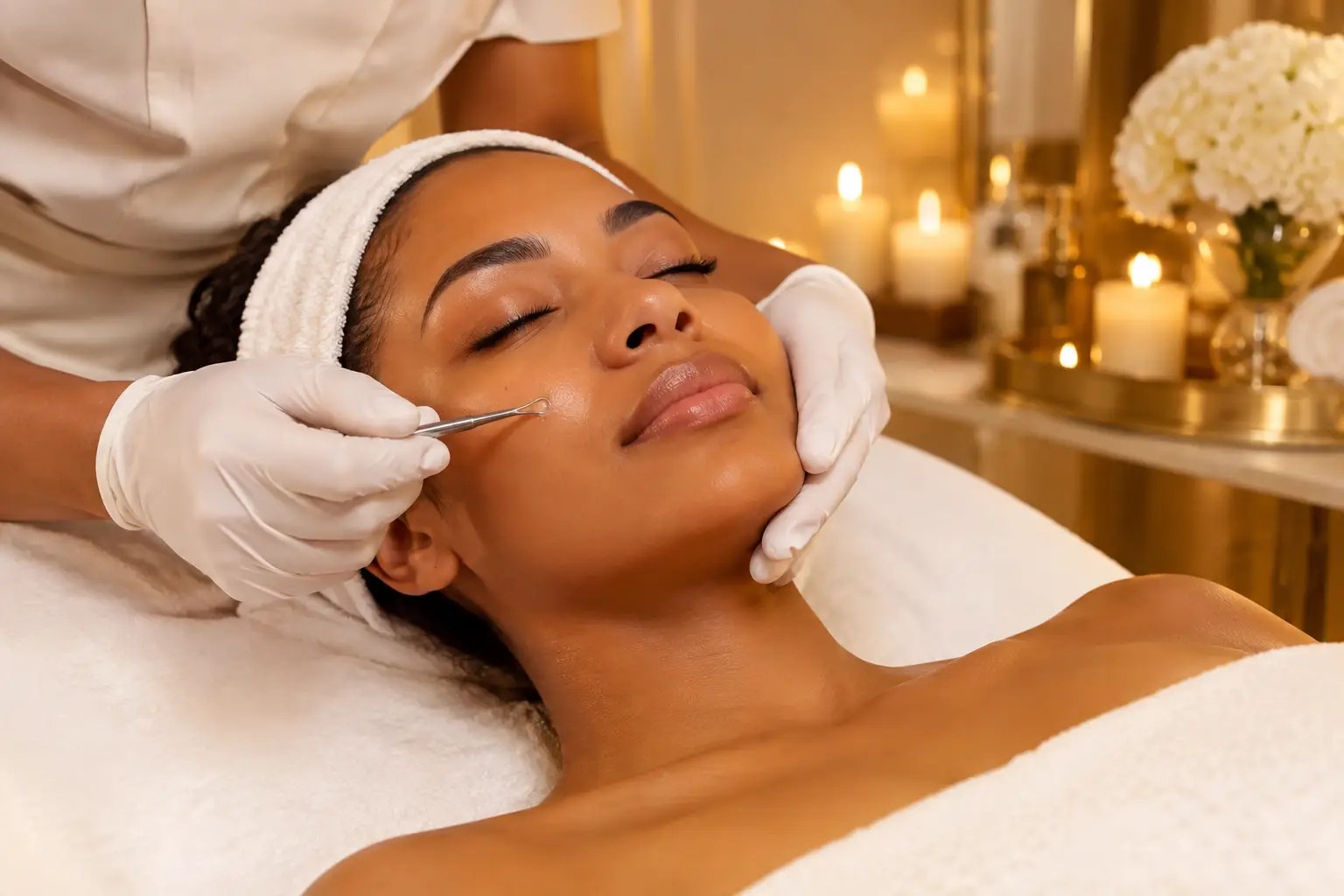
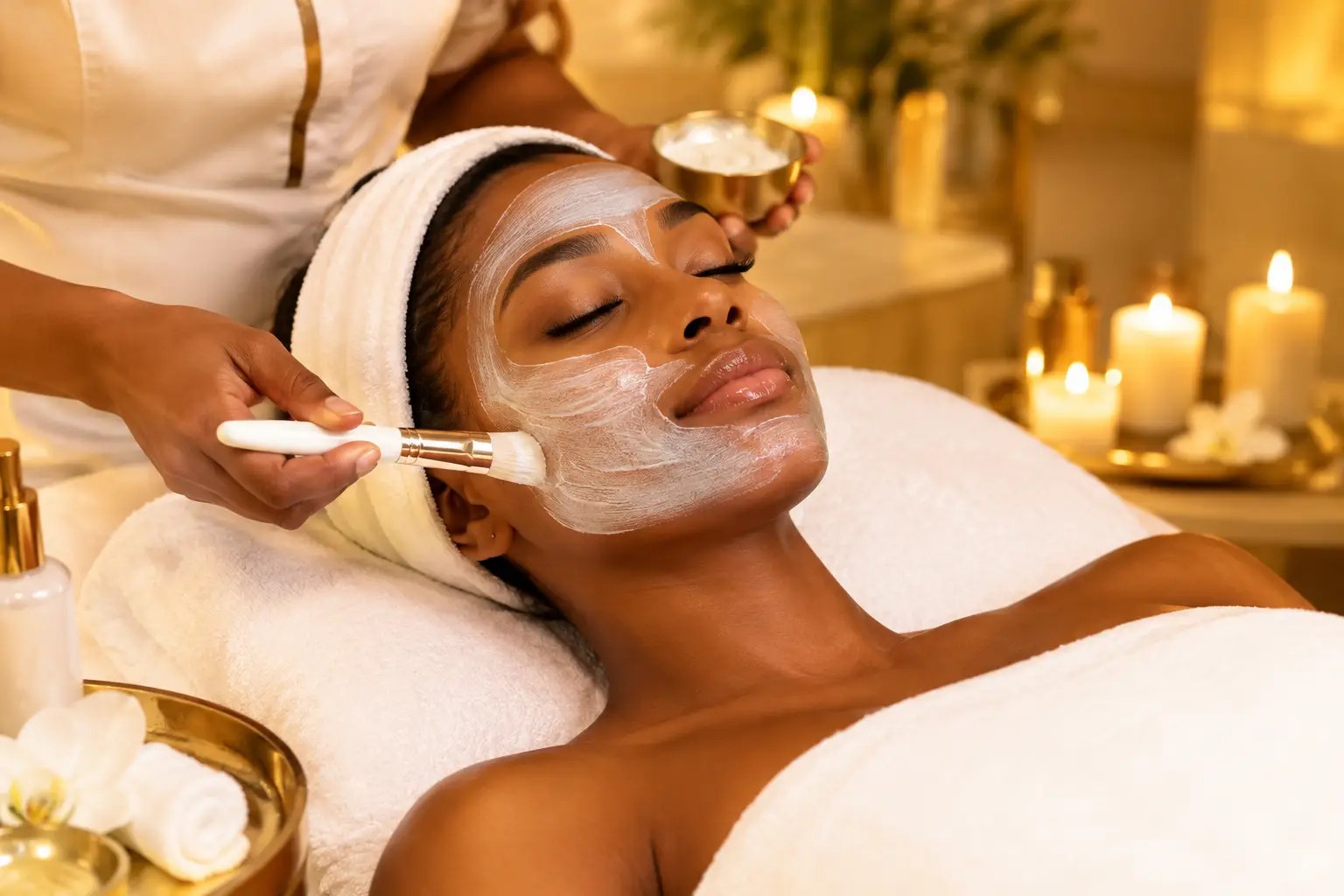
Unlike a purely relaxing facial, corrective care is goal-oriented. That does not mean it cannot feel restorative. In a well-designed treatment setting, skin correction and a calming experience can absolutely coexist. The difference is that every step has a purpose – whether that is resurfacing, calming inflammation, supporting barrier repair, or increasing cellular turnover.
A true corrective plan also includes professional guidance. Skin changes with stress, hormones, travel, weather, age, and product use. What worked six months ago may not be what your skin needs now.
A corrective skincare treatment guide starts with skin assessment
Before choosing a peel, a facial, or a serum, the first question should be simple: what is your skin doing right now?
That sounds obvious, but many people treat the symptom they notice most while missing the root issue. Breakouts may be tied to barrier disruption. Dullness may be caused by dehydration rather than dead skin buildup. Redness may not mean sensitivity alone – it can also show up alongside over-exfoliation or acne inflammation.
A professional skin consultation helps separate those concerns. It looks at oil production, hydration levels, skin reactivity, congestion, pigmentation patterns, breakout type, and lifestyle habits that may be affecting results. This is often where clients feel relief, because skin finally stops being treated like a generic category and starts being treated like an individual condition.
Which treatments help which concerns?
Corrective skincare works best when treatment selection is specific. The right facial for dehydrated, reactive skin is not the right treatment for active acne or stubborn pigment.
For acne and congestion
Acne-prone skin usually needs more than deep cleansing. It benefits from a strategy that reduces pore blockage, calms inflammation, and supports healthy exfoliation without stripping the skin. Corrective facials, acne-focused protocols, and carefully selected chemical peels can help improve active breakouts and the marks they leave behind.
The trade-off is that aggressive treatment is not always better. Overdoing exfoliation can trigger more irritation, more oil imbalance, and sometimes more breakouts. Consistency usually matters more than intensity.
For discoloration and uneven tone
Post-inflammatory pigmentation and sun-related discoloration often respond well to professional exfoliation, brightening ingredients, and strict daily sun protection. Chemical peels can be especially helpful here, but only when timed appropriately and supported by the right home care.
Pigment correction takes patience. Some forms of discoloration fade steadily, while deeper or hormonally influenced pigment can be more stubborn. That is why treatment planning matters. A rushed approach can irritate the skin and slow progress.
For rough texture and dullness
When skin looks tired, uneven, or feels rough to the touch, resurfacing can make a visible difference. Depending on the skin, that might mean an enzyme treatment, a corrective facial, or a peel designed to improve turnover and smooth the surface.
This is also where home care quietly does a lot of work. A professional treatment resets the skin, but daily cleansing, hydration, and targeted serums maintain the momentum between appointments.
For sensitivity and barrier repair
Not every corrective plan starts with exfoliation. Sometimes the most corrective thing you can do is calm the skin first.
If your skin burns easily, flushes frequently, reacts to new products, or feels tight after cleansing, the skin barrier may need support before stronger treatment begins. In those cases, a gentler facial plan, nourishing moisturizers, and carefully chosen ingredients can create the stability needed for later progress.
Where chemical peels fit in a corrective skincare treatment guide
Chemical peels are one of the most misunderstood professional treatments. They are not all harsh, and they are not all designed to make you visibly peel for days. Many modern peel protocols are selected for skin condition, strength tolerance, and treatment goals.
A superficial peel may help with congestion, mild acne, texture, and tone while allowing little to no downtime. More active corrective peels may target deeper discoloration, persistent roughness, or signs of photoaging, but they require stricter aftercare and a more careful schedule.
What matters most is choosing the right peel, not simply the strongest one. A polished professional with meetings, events, and travel on the calendar may need a plan with minimal downtime. Someone focused on a longer correction timeline may be comfortable with a slightly more intensive series. It depends on your skin, your goals, and how faithfully you can follow aftercare.
The home routine that supports professional results
Professional treatments can shift the skin. Home care helps hold those gains.
A corrective routine does not have to be complicated, but it does need to be intentional. In most cases, that means a quality cleanser, treatment serum, moisturizer, and daily SPF. Depending on your skin, you may also need acne support, pigment-focused ingredients, or post-peel recovery products.
This is where product quality and formulation matter. Medical-grade and professionally curated skincare lines often give more predictable results because the active ingredients, delivery systems, and skin-specific protocols are more thoughtfully designed. Brands such as PCA Skin, Clinician Complex, and Face Reality are often chosen in corrective settings because they allow practitioners to match home care to treatment plans instead of recommending one-size-fits-all products.
The caution here is layering too much. More acids, more retinoids, and more actives do not always mean faster improvement. Sometimes they mean irritation, flaking, and a compromised barrier that delays progress.
Why consistency beats intensity
Many clients want to know how quickly they will see change. That is a fair question, especially when you are investing in both treatments and products.
Some improvements, like hydration and radiance, can show up quickly. Acne balance, discoloration, and texture refinement usually take longer. That does not mean the treatment is not working. It means skin correction follows biology, not wishful timing.
A steady schedule often outperforms sporadic, high-intensity treatment. Monthly corrective facials, a planned peel series, and a consistent home routine generally create better long-term outcomes than doing something strong once and then abandoning maintenance.
For busy women balancing work, family, social events, and personal wellness, this is good news. The best corrective care is usually realistic care. It fits into your life and keeps building over time.
How to know if your plan is working
A good corrective skincare treatment guide is not just about what you start. It is also about what you monitor.
Healthy progress may look like fewer inflamed breakouts, shorter healing time, smoother texture, brighter tone, less congestion, and better tolerance to your routine. Sometimes the first win is not dramatic glow. It is simply that your skin feels calmer and more predictable.
If your skin stays persistently irritated, excessively dry, or suddenly worsens after several weeks, the plan may need adjustment. That is not failure. It is part of professional skincare. The best treatment relationships allow room to reassess, refine, and respond to what your skin is communicating.
Choosing professional care that feels personal
Corrective skincare is deeply personal because skin is personal. It affects confidence, comfort, and how polished you feel walking into a meeting, dinner, or a weekend event. The right treatment experience should respect that.
That means looking for care that combines expertise with attention. You want someone who can evaluate the skin clinically, explain the reasoning behind treatment choices, and guide you toward realistic progress without pushing what you do not need. At Mink Total Medical Spa & Wellness, that balance of corrective expertise and restorative care is what makes treatment feel elevated rather than clinical or impersonal.
Beautiful skin is rarely about doing the most. It is about doing the right things, in the right order, with enough consistency to let your skin respond well.