Medical Spa vs Day Spa: What’s the Difference?

You want to book something for yourself, but the menu reads like two different worlds. One spa promises glowing skin and deep relaxation. Another offers peels, corrective treatments, and clinical expertise. When comparing medical spa vs day spa, the right choice comes down to what you want your appointment to do for you – help you unwind, improve a skin concern, or ideally, do a bit of both.
That distinction matters more than many people realize. A beautiful setting, soft robes, and a calming treatment room can exist in either environment. What changes is the level of clinical oversight, the kinds of services offered, and the type of results you should expect.
Medical spa vs day spa: the core difference
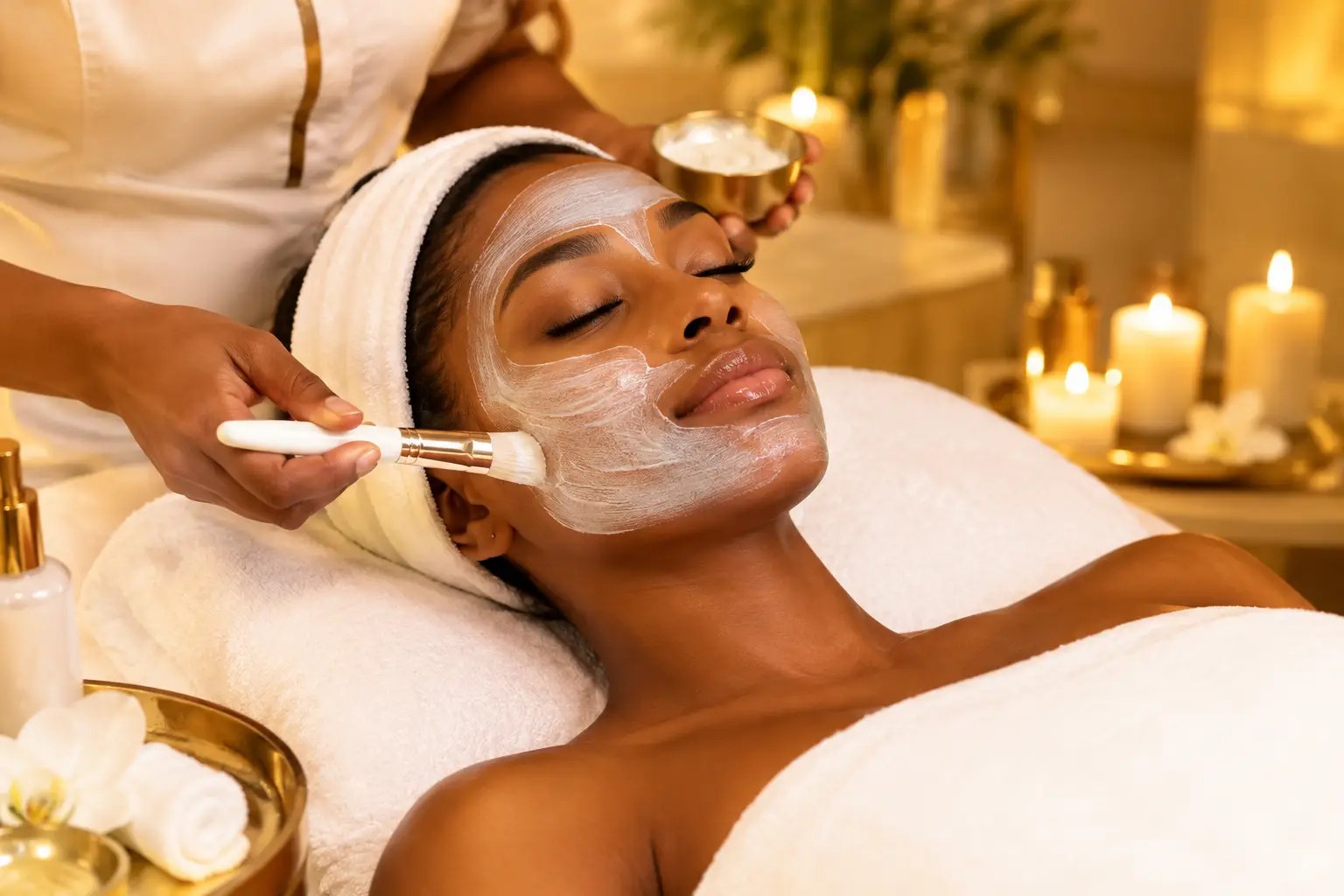
A day spa is centered on relaxation, maintenance, and the sensory experience of self-care. Think massage therapy, soothing facials, body treatments, and spa packages designed to help you reset. The goal is often stress relief, refreshed skin, and a polished, well-cared-for feeling.
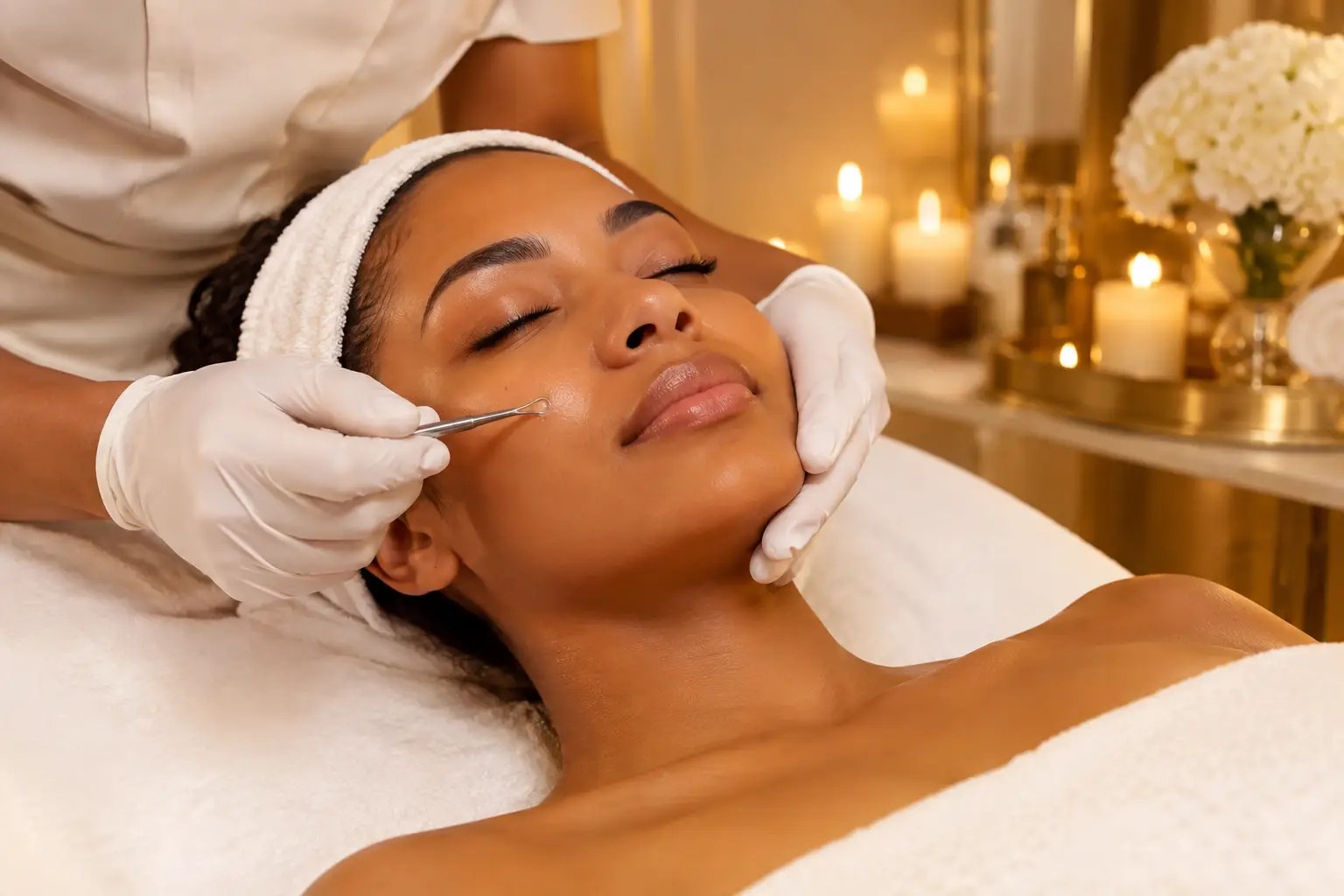
A medical spa blends that elevated spa environment with more advanced, corrective skincare services. Treatments are typically chosen with a stronger focus on skin conditions and visible improvement, whether that means acne, pigmentation, texture, premature aging, or post-summer damage. The experience can still feel serene and luxurious, but the treatment philosophy is more results-driven.
This is where people get confused. A med spa is not simply a day spa with fancier branding. In most cases, it offers a different treatment scope and a different level of practitioner expertise. If your primary concern is correcting something specific rather than simply relaxing, that difference becomes very relevant.
What you can expect at a day spa
A day spa is usually the right fit when your body and mind need a pause. Maybe your shoulders are permanently tight from work, your skin feels dull, or you just have not taken a proper hour for yourself in weeks. A day spa experience is designed to restore, calm, and maintain.
Services often include massage, classic facials, body scrubs, wraps, and wellness-focused add-ons. The facial side of a day spa is typically geared toward cleansing, hydration, circulation, and general radiance. These treatments can absolutely benefit the skin, especially when performed consistently, but they are not always meant to address deeper or more complex skin challenges.
That does not make them less valuable. For many women, regular massage and facials are part of staying well, looking refreshed, and managing stress before it starts to show up everywhere else. A day spa can be the perfect choice when what you need most is nervous system relief and a little breathing room.
What you can expect at a medical spa
A medical spa is usually the better fit when your skin needs strategy, not just pampering. You may be dealing with breakouts that do not respond to over-the-counter products, discoloration that lingers long after summer, rough texture, congestion, or skin that suddenly looks more tired than you feel.
At a medical spa, services often include treatments such as chemical peels, advanced facials, corrective skincare plans, and other modalities intended to improve skin function and appearance over time. The consultation process is often more detailed because the provider is not just asking what feels nice. They are evaluating what your skin needs, what may be aggravating it, and how to create a treatment path that makes sense for your goals.
That treatment path may also include professional home care. This is one of the biggest differences clients notice once they move beyond occasional spa visits. Results rarely come from a single service alone. They come from the combination of in-spa treatment, expert guidance, and a well-chosen routine at home.
A cleanser, serum, moisturizer, SPF, or acne-support product may seem simple, but the right formula can protect the progress you make between appointments. That is especially true after treatments like chemical peels or corrective facials, when skin needs thoughtful aftercare rather than guesswork.
The provider matters as much as the treatment
When people compare medical spa vs day spa, they often focus only on the service menu. In reality, who is performing the treatment matters just as much.
A day spa provider may be highly skilled in massage, relaxation facials, and creating a beautiful guest experience. A medical spa provider is often working from a stronger corrective skincare framework, with training that supports more advanced treatment decisions. If a practitioner has specialized credentials in corrective skincare, oncology aesthetics, or treatment-based skin health, that adds another layer of confidence and care.
This matters because not every facial is appropriate for every face. Sensitive skin, inflamed acne, barrier impairment, rosacea tendencies, recent sun exposure, and certain health factors all influence what should and should not be done. Expertise protects both your comfort and your results.
Which one is better for facials?
It depends on what you mean by better.
If your ideal facial includes steam, massage, hydration, a serene hour away from your phone, and a rested glow, a day spa facial may be exactly right. If your priority is improving congestion, acne, uneven tone, or early signs of aging, a medical spa facial is often the smarter choice.
Some clients want both. They want visible skin improvement, but they also want the experience to feel restorative rather than clinical. That is where a boutique, treatment-driven spa model stands out. You do not have to choose between expertise and atmosphere when the practice is designed to offer both.
Results vs relaxation is not always an either-or decision
This is where the conversation gets more nuanced. The phrase medical spa sometimes makes people expect a cold, highly clinical environment. The phrase day spa can make people assume the treatments are purely indulgent. Neither assumption is always true.
A well-run medical spa can feel calming, polished, and deeply personalized while still delivering corrective care. A well-run day spa can support skin health more than people expect. The best choice depends on whether the provider can align the treatment with your actual goals.
If you are preparing for an event, recovering from a stressful season, or simply want regular maintenance, a day spa visit may be all you need. If you are tired of trying random products, wasting money on trends, and seeing little change in your skin, it may be time for a more corrective approach.
How to choose between a medical spa and a day spa
Start with the question behind the booking.
Are you looking to relax, or are you looking to fix something specific? If the answer is relaxation, body tension, or general upkeep, a day spa is often a natural fit. If the answer is acne, discoloration, textural concerns, or a more strategic anti-aging plan, a medical spa is usually the stronger option.
Then consider how much guidance you want. Some people are comfortable booking a treatment and leaving it at that. Others want a provider who will evaluate their skin, recommend a treatment plan, and help them build a home routine that supports lasting improvement. That second experience tends to be more aligned with a medical spa model.
Finally, think about consistency. If you want an occasional escape, a day spa may serve you beautifully. If you want an ongoing relationship with a skincare professional who can help you adjust treatments and products as your skin changes, a medical spa offers more structure.
For many clients, the sweet spot is a space that respects both needs. At Mink Total Medical Spa & Wellness, for example, the goal is not simply to provide a service menu. It is to create a place where corrective skincare expertise and genuine restoration can live in the same appointment.
A note on products and maintenance
No matter which setting you choose, your home routine will influence your results. That does not mean you need a complicated shelf full of products. It means your skin should be supported with formulas that match your concerns and do not work against your treatment plan.
Professional-grade cleansers, moisturizers, serums, SPF, and targeted acne or post-peel products can make a meaningful difference, especially when chosen with guidance. If you have ever invested in a facial and then gone back to using whatever happened to be under the bathroom sink, you have already seen how easy it is to lose momentum.
The right spa should help you understand not only what to book, but how to care for your skin afterward in a way that feels realistic.
Choosing between the two is less about which label sounds better and more about which experience serves you best right now. Sometimes you need a massage and quiet. Sometimes you need a treatment plan and real answers. And sometimes the most valuable care is finding a space that understands you may need both.