How to Reduce Facial Redness Safely
Facial redness has a way of making skin feel unpredictable. One day your complexion looks calm and balanced, and the next it is flushed, irritated, or visibly reactive after a workout, a glass of wine, a new product, or simply a stressful week. If you are wondering how to reduce facial redness, the answer usually is not one miracle product. It is a more thoughtful approach that calms inflammation, protects the skin barrier, and helps you understand what is triggering your skin in the first place.
Redness can show up in different ways. For some, it is a temporary flush across the cheeks and nose. For others, it is persistent sensitivity, visible capillaries, post-acne marks, or irritation that seems to flare without warning. The best results come from treating the cause, not just covering the color.
How to reduce facial redness starts with the cause
Not all redness means the same thing, which is why a personalized plan matters. Skin can look red because it is dry and compromised, because it is reacting to harsh products, because acne has left behind inflammation, or because there is an underlying condition such as rosacea. Even heat, sun exposure, over-exfoliation, and stress can keep skin in a constant state of reactivity.
A compromised skin barrier is one of the most common reasons redness lingers. When the barrier is weakened, moisture escapes more easily and irritants get in faster. Skin may feel tight, sting when products are applied, and look blotchy throughout the day. In that situation, strong acids, scrubs, or aggressive acne products often make things worse even if they are well intentioned.
There is also the issue of post-inflammatory redness. This often appears after breakouts and can remain long after the blemish itself has healed. It is not quite the same as active irritation, so it may need a different combination of calming ingredients, sun protection, and patience.
Build a calming routine before you add corrective steps
If your skin is red, sensitive, or easily flushed, simplify first. A gentle cleanser, a barrier-supporting moisturizer, and daily SPF are the foundation. That may sound basic, but many people try to treat redness with too many products at once, and the layering becomes part of the problem.
Your cleanser should remove makeup, sunscreen, and excess oil without leaving the skin squeaky or stripped. Creamy or gentle gel textures are often better tolerated than foaming cleansers that leave skin feeling overly clean. After cleansing, use a moisturizer that supports hydration and barrier repair. Look for ingredients such as ceramides, hyaluronic acid, niacinamide, glycerin, and soothing botanicals that are known to calm rather than stimulate.
SPF matters every day, even when the weather is cloudy. UV exposure can intensify redness, prolong post-acne marks, and aggravate rosacea-prone skin. If your skin reacts easily, mineral sunscreens are often a comfortable place to start, though the right formula depends on your skin type and preferences.
At Mink Total Medical Spa & Wellness, we often remind clients that corrective skincare works best when skin feels safe first. A curated home routine with professional-grade cleansers, moisturizers, serums, and SPF can make a meaningful difference when every product has a purpose and the skin is not being pushed too hard.
Ingredients that can help reduce facial redness
Once your routine is steady, targeted ingredients can help. Niacinamide is one of the most reliable options because it supports the skin barrier, improves uneven tone, and tends to be well tolerated by many skin types. Azelaic acid is another excellent ingredient, especially for redness linked to acne or rosacea tendencies. It helps calm inflammation while also supporting smoother texture and clearer pores.
For dryness-related redness, hydrating serums can be surprisingly effective. When skin is dehydrated, it often looks more reactive than it really is. Ingredients like hyaluronic acid and glycerin can bring water back into the skin, while ceramides and richer moisturizers help seal it in.
If your redness is tied to breakouts, you need balance. Acne care should still be effective, but not so harsh that it leaves the face inflamed. Benzoyl peroxide, exfoliating acids, and retinoids can all be useful, yet frequency and formulation matter. In some cases, using these ingredients less often or buffering them with barrier-supportive products gives better long-term results than using them aggressively.
Fragrance, alcohol-heavy formulas, rough scrubs, and strong at-home peels are common troublemakers. They are not always bad for everyone, but redness-prone skin usually benefits from a more refined approach.
Lifestyle triggers matter more than most people think
Skincare is only part of the picture. If your face gets red after specific habits or environments, products alone may never fully solve it. Common triggers include sun, wind, hot showers, spicy foods, alcohol, intense exercise, stress, and overheating. That does not mean you have to avoid everything you enjoy, but it does mean your skin may benefit from a little pattern recognition.
Notice when redness appears and how long it lasts. If your skin flushes every time you use active skincare after a steamy shower, timing could be the issue. If your redness worsens after long afternoons in the sun or frequent workouts outdoors, you may need stronger sun protection and more consistent cooling, hydrating aftercare.
Stress is easy to dismiss, but it shows up on the skin quickly. When the nervous system is overloaded, inflammation often follows. This is one reason facials, massage, and restorative wellness treatments can support skin goals beyond relaxation alone. A calmer body often supports calmer skin.
Professional treatments can help when redness is persistent
If you have already simplified your skincare and your redness still lingers, professional guidance can save time and frustration. The right treatment depends on whether your redness is caused by sensitivity, acne, dehydration, congestion, barrier damage, or vascular issues.
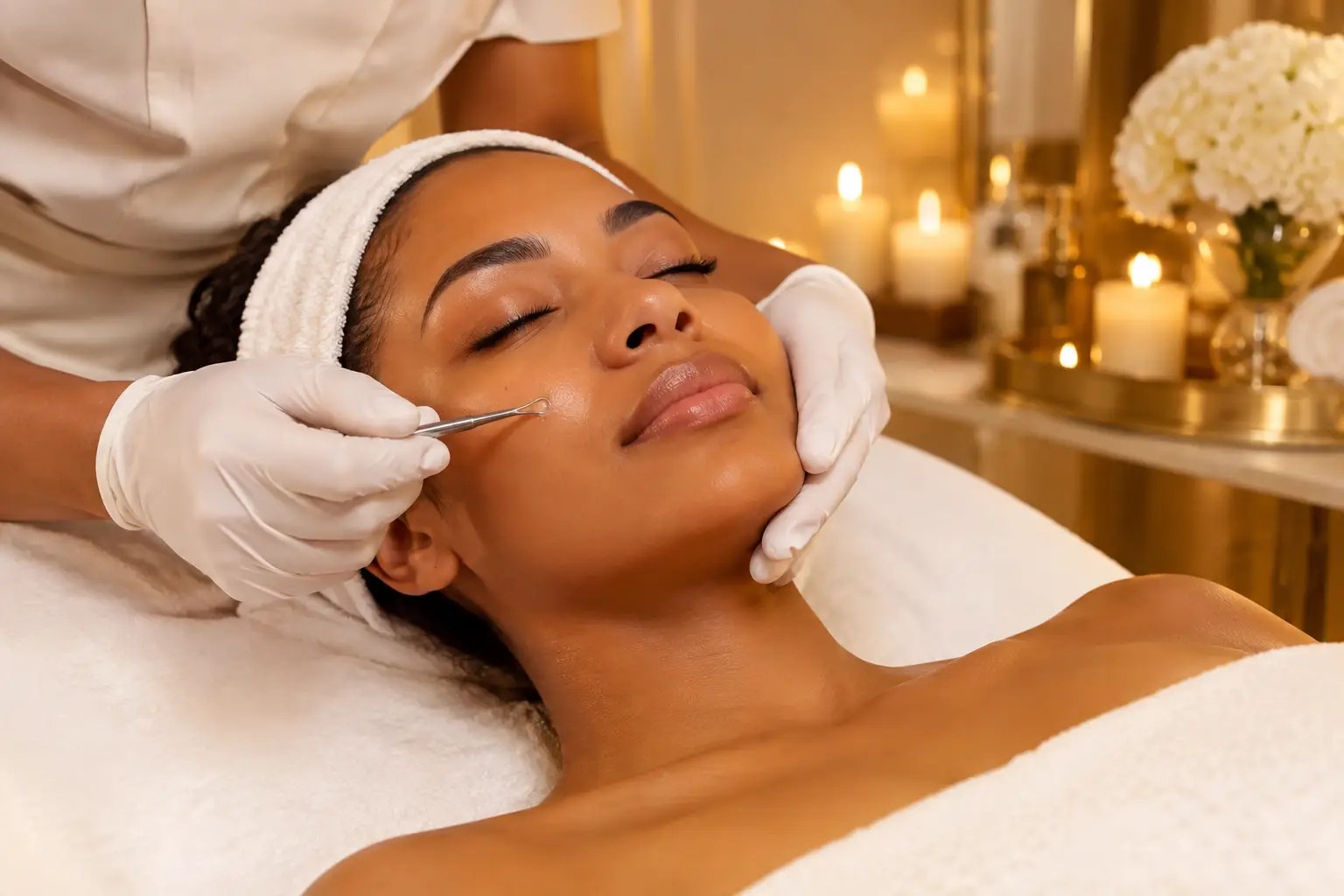
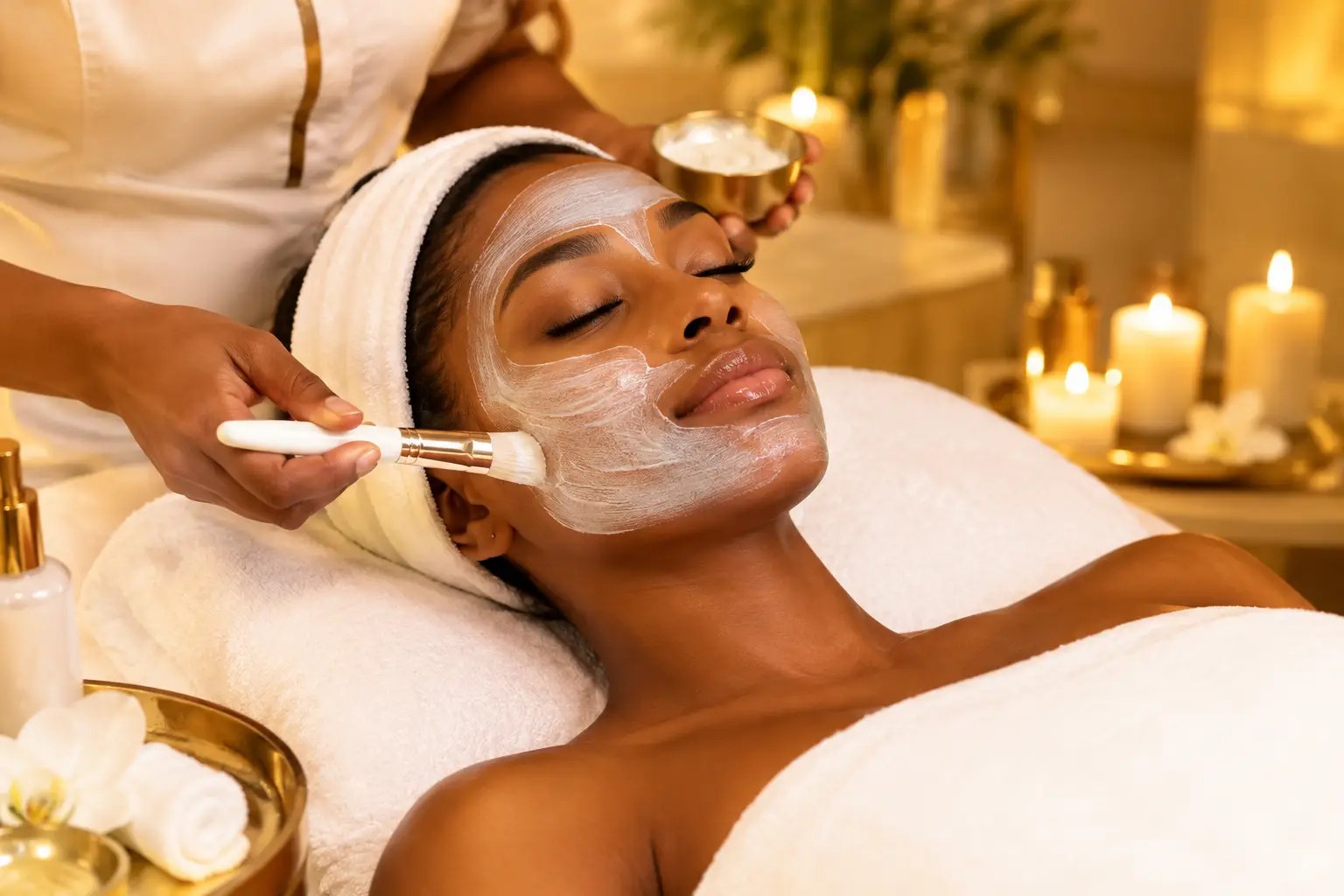
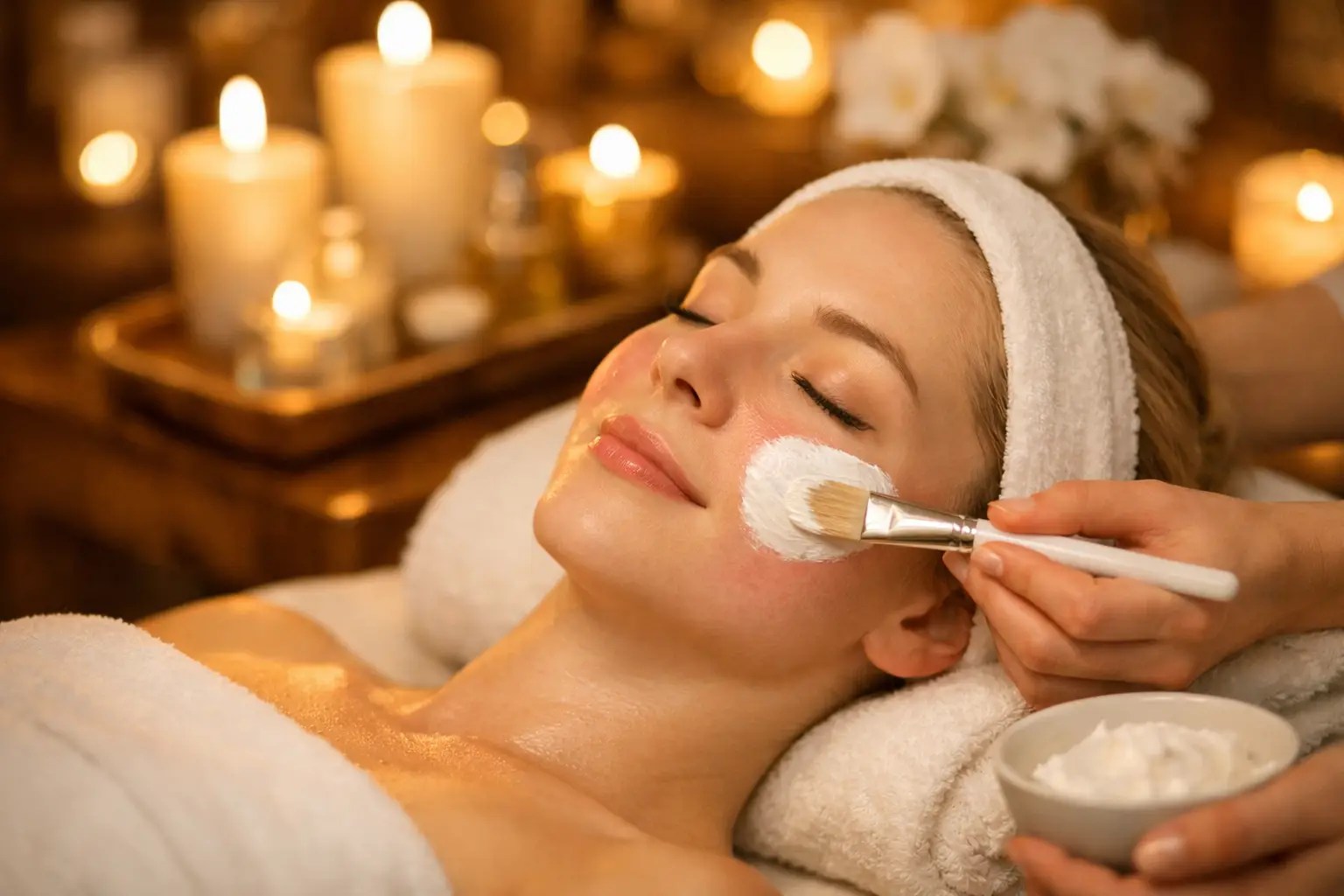
For reactive skin, a customized facial focused on calming inflammation and restoring hydration can be far more beneficial than an aggressive treatment. Gentle exfoliation, soothing masks, and professional product selection can help reset skin without pushing it into another flare.
For post-acne redness or uneven tone, a series of carefully chosen treatments may improve clarity over time. Chemical peels can help, but this is where nuance matters. Not every peel is appropriate for red or sensitized skin, and stronger is not always better. The skin must be prepared properly, and aftercare is essential.
If redness is frequent, concentrated around the central face, or accompanied by visible capillaries, bumps, or burning, it may be time to speak with a dermatologist as well. Persistent redness can sometimes point to rosacea or another medical skin condition that benefits from medical evaluation alongside aesthetic care.
What to avoid while trying to calm red skin
When skin looks red, the instinct is often to do more. More exfoliation, more acne treatment, more spot-fading serums. Usually, the better move is to reduce friction and remove unnecessary stress.
Be cautious with cleansing brushes, textured scrubs, very hot water, and layering multiple active ingredients in one routine. Retinoids, alpha hydroxy acids, beta hydroxy acids, and benzoyl peroxide all have a place, but combining them too quickly can keep skin inflamed. The same is true for trying a new cleanser, serum, exfoliant, and mask all at once. If your skin is already speaking loudly, it helps to listen before adding another correction.
Makeup can also affect redness in quiet ways. Long-wear products, fragranced primers, or makeup wipes that tug at the skin can contribute to irritation. Gentle removal and skin-friendly formulas make a difference, especially if you wear makeup often for work or events.
When patience is part of the treatment plan
One of the hardest parts of managing redness is that it often improves gradually. Barrier repair can take weeks. Post-inflammatory redness can linger for months, especially if sunscreen use is inconsistent. Even the right professional treatment plan usually works in stages rather than overnight.
That does not mean progress is slow in a discouraging way. It means skin responds best to consistency. A calm, intelligent routine is often more effective than a dramatic one. Once inflammation is lower, skin usually becomes more comfortable, makeup applies better, and the overall complexion appears more polished even before every trace of redness is gone.
If you are trying to figure out how to reduce facial redness, think less about fighting your skin and more about supporting it. The goal is not to strip it into submission. It is to create the conditions where it can become steadier, stronger, and visibly calmer over time.
Sometimes the most luxurious form of skincare is not the most complicated. It is the quiet confidence of knowing your skin is being cared for with precision, patience, and the right level of professional support.