Best Post Peel Products for Calm, Clear Skin

A chemical peel can leave skin looking remarkably fresh, but the first few days afterward are where results are protected or compromised. The best post peel products are not necessarily the strongest or most expensive formulas in your cabinet. They are the products that support the skin barrier, reduce unnecessary irritation, and keep newly revealed skin protected from the elements.
Post-peel care should feel intentionally simple. This is not the moment to introduce a new brightening serum, test an exfoliating cleanser, or use a scrub in the name of speeding up flaking. Your skin has already received a controlled resurfacing treatment. Now it needs calm, hydration, and patience.
What Your Skin Needs After a Chemical Peel
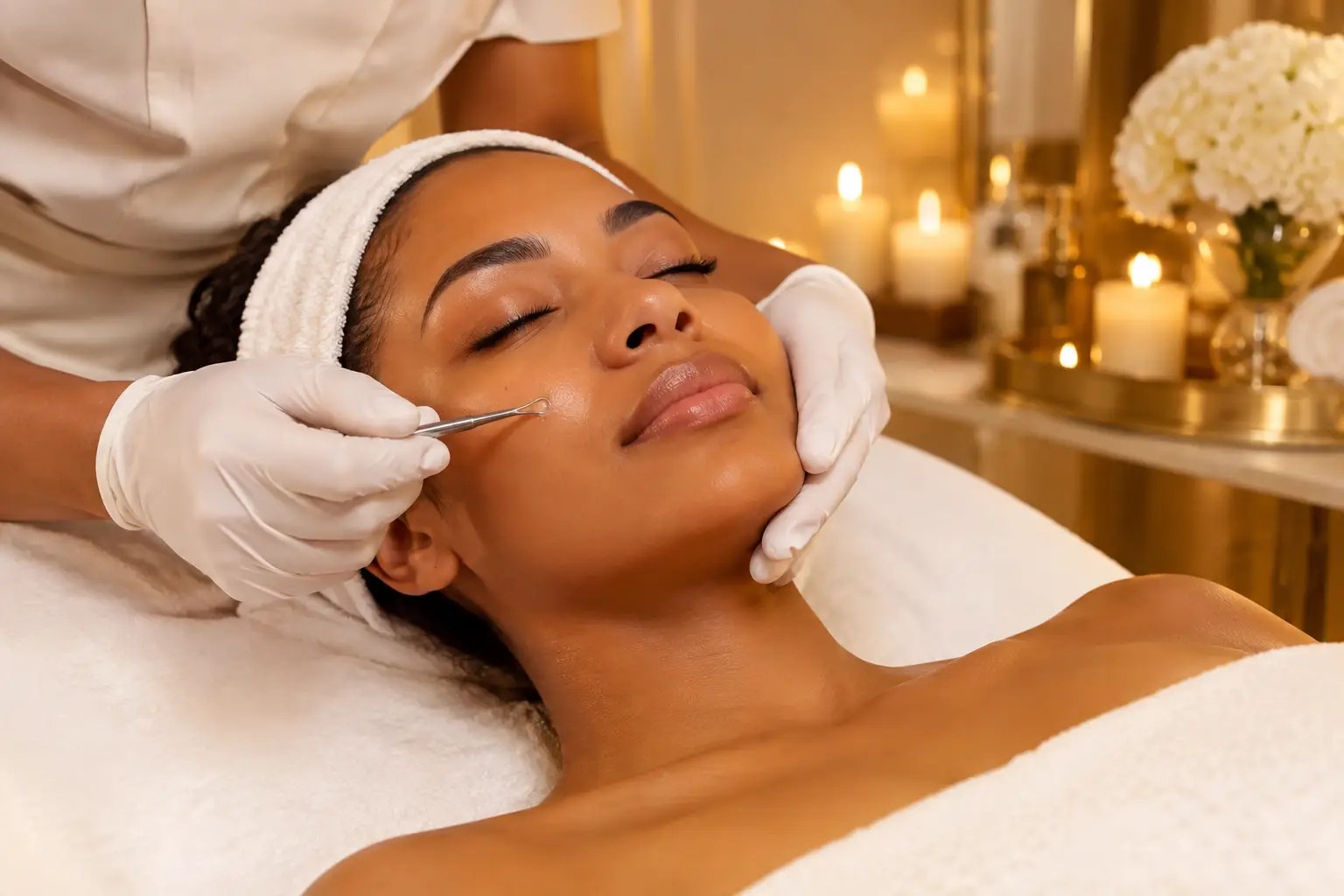
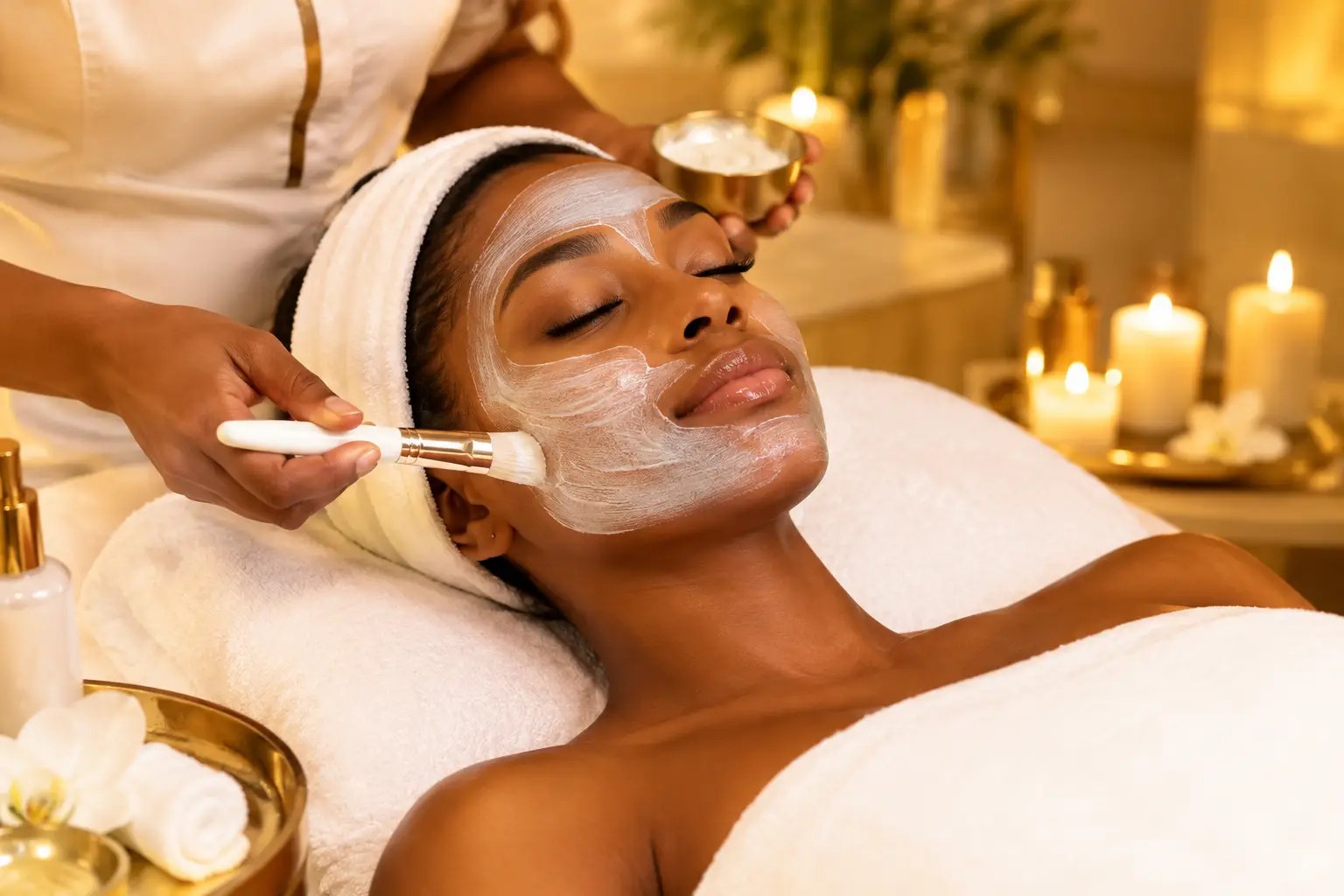
A peel works by encouraging the shedding of damaged surface cells, which can help improve concerns such as uneven tone, dullness, breakouts, fine lines, and congestion. Depending on the type and depth of peel, you may experience warmth, tightness, redness, dryness, or visible peeling for several days.
During this recovery window, the skin barrier is temporarily more vulnerable. A disrupted barrier loses moisture more easily and may react to ingredients that are usually well tolerated. The goal is to keep skin comfortably hydrated while protecting it from UV exposure, heat, friction, and active ingredients that could create extra inflammation.
Your aesthetician should always give you instructions specific to your treatment. A lighter professional peel and a more corrective peel do not have identical aftercare needs. If you have questions about unusual swelling, blistering, persistent burning, or a reaction that feels more intense than expected, contact your provider promptly rather than attempting to treat it at home.
The Best Post Peel Products to Keep in Your Routine
The ideal post-peel routine is edited, gentle, and consistent. Think of each product as a support system for the skin while it renews itself.
A non-stripping cleanser
Clean skin still needs to be cleansed, especially if you are wearing sunscreen, but aggressive cleansing can make tightness and peeling feel worse. Choose a mild, low-foam or creamy cleanser that removes sunscreen and daily buildup without leaving your face squeaky clean. That squeaky feeling is often a sign that the skin’s protective lipids have been stripped away.
Use cool to lukewarm water, not hot water, and cleanse with your fingertips. Washcloths, cleansing brushes, and exfoliating sponges are best put aside until your skin has fully recovered. For some clients, a gentle morning rinse is enough during the first day or two, depending on their provider’s instructions and skin type.
A barrier-supporting moisturizer
A thoughtfully formulated moisturizer is one of the most valuable post-peel products you can own. Look for familiar barrier-supportive ingredients such as ceramides, glycerin, hyaluronic acid, squalane, panthenol, and soothing plant-derived ingredients that your skin already knows it tolerates well.
The right texture depends on your skin and the peel you received. Oily or acne-prone skin may prefer a lightweight gel-cream, while dry or mature skin may need a richer cream to relieve tightness and reduce moisture loss. More is not always better, but it is appropriate to apply moisturizer more often than usual if your skin feels dry or uncomfortable.
Avoid assuming that acne-prone skin should skip moisturizer after a peel. Dehydrated, irritated skin can produce more oil and may be more prone to inflammation. The better approach is selecting a non-comedogenic formula recommended for your individual skin condition.
Broad-spectrum mineral sunscreen
After a peel, sunscreen is non-negotiable. Freshly treated skin is more susceptible to sun damage and post-inflammatory hyperpigmentation, especially for anyone prone to dark marks or uneven tone. Use a broad-spectrum SPF 30 or higher every morning, even when you are spending much of the day indoors.
Many people find mineral sunscreen, formulated with zinc oxide and/or titanium dioxide, more comfortable during the immediate recovery period. Mineral filters sit on the surface of the skin and are often well tolerated when skin feels sensitized. Apply generously, and reapply when you are outdoors, driving for extended periods, or sitting near bright windows.
Sunscreen is only one layer of protection. A wide-brimmed hat, sunglasses, and shade are particularly worthwhile in Charleston’s bright coastal sun. If you have had a peel before a beach weekend, boating day, or outdoor event, be especially mindful of your provider’s recommendations and avoid intentional sun exposure.
A soothing recovery serum, if recommended
A minimal, calming serum can be useful when it is formulated specifically to hydrate and support recovery. Hydrators such as hyaluronic acid, glycerin, beta-glucan, or panthenol may help skin feel more comfortable beneath moisturizer. The key is restraint: this is not the time to layer multiple serums.
If a serum stings, turns your skin redder, or makes it feel hot, stop using it. Even products that are generally excellent can be too stimulating immediately after a peel. Your provider may recommend a professional recovery formula from a line such as PCA Skin or Clinician Complex based on your treatment and current skin goals.
What to Pause Until Your Skin Has Recovered
The products you set aside can matter just as much as the ones you apply. For several days, or longer if instructed, pause retinoids, retinol, prescription tretinoin, benzoyl peroxide, salicylic acid, glycolic acid, lactic acid, exfoliating pads, enzyme masks, and vitamin C products that feel acidic or stimulating.
Also skip physical exfoliation. Do not use scrubs, cleansing devices, dermaplaning tools, or peeling gels. It can be tempting to lift loose flakes, particularly before an event, but pulling at peeling skin can lead to irritation, prolonged redness, and uneven healing. Let shedding happen naturally.
Fragrance, essential oils, and heavily fragranced body products may also be less comfortable around the treated area. Keep the routine quiet and dependable until skin feels normal again. When you reintroduce active products, add one at a time, ideally with guidance from the professional who performed your peel.
A Simple Post-Peel Routine for the First Few Days
For most clients, a pared-back routine is easier to follow than a long list of rules. In the morning, gently cleanse if needed, apply a recovery serum only if recommended, moisturize, and finish with broad-spectrum sunscreen. Reapply sunscreen through the day as appropriate.
At night, cleanse gently, use your recommended soothing product if you have one, and apply moisturizer. If skin is unusually dry, a second thin layer of moisturizer may be more comfortable than reaching for an occlusive product that has not been approved for your skin type.
Resist the urge to judge results too soon. The first day after a peel may bring a healthy glow, followed by tightness or flaking that can look less polished temporarily. That is part of the process for many peel types. Plan your treatment around significant social events when possible, giving skin time to complete its renewal cycle.
How to Choose Products for Acne-Prone or Sensitive Skin
Post-peel recommendations should never be completely one-size-fits-all. If you are managing acne, the best recovery product is one that supports healing without overwhelming pores. This may mean a lighter moisturizer, a carefully chosen non-comedogenic sunscreen, and a gradual return to acne-corrective ingredients rather than restarting everything at once.
For sensitive, rosacea-prone, or eczema-prone skin, simplicity becomes even more valuable. Choose formulas with shorter ingredient lists, avoid known personal triggers, and let your aesthetician know about any history of sensitivity before your peel. A conservative treatment plan may produce better long-term results than pushing for aggressive exfoliation.
Those with deeper skin tones should be particularly diligent with sunscreen and aftercare because inflammation can increase the risk of lingering discoloration. Professional guidance helps ensure the peel type, strength, and home routine work together rather than against your pigmentation goals.
When to Return to Your Regular Routine
There is no universal calendar for restarting active skincare. Some clients can resume select products within a few days after a superficial peel, while others need a longer recovery period. Your skin should no longer feel tender, actively peel, burn, or look noticeably irritated before you add exfoliants or retinoids back into the routine.
Start slowly. Introduce one active product on a night when you can observe how your skin responds, then build frequency gradually. If you are pursuing clearer skin, smoother texture, or brighter tone, consistency between treatments matters more than rushing the process after one appointment.
A chemical peel is a meaningful investment in corrective care, and the quiet days afterward are part of that investment. Choose gentle products, protect your skin from the sun, and allow recovery to unfold at its own pace. The most radiant results tend to come from a plan that feels both professional and sustainable.