An Adult Acne Treatment Example That Works

A useful adult acne treatment example is not a harsh, crowded routine that leaves your skin tight, irritated, and harder to manage. For many busy professionals, the most effective plan is quieter: a thoughtful assessment, a few corrective ingredients used consistently, strategic professional treatments, and enough support to make the routine sustainable during travel, stress, work deadlines, and everything else life asks of you.
Adult breakouts can feel particularly frustrating because they often arrive alongside concerns that were not part of your teenage skincare routine: dehydration, visible redness, fine lines, uneven tone, and dark marks that linger long after a blemish is gone. The goal is not to attack your skin. It is to reduce congestion and inflammation while protecting the skin barrier so your complexion can look clearer, calmer, and more refined over time.
Why Adult Acne Requires a Different Approach
Adult acne is rarely just one issue. Hormonal fluctuations can create tender blemishes along the chin and jawline, while stress, sweat, makeup, hair products, friction from masks or phone use, and an overly aggressive skincare routine may contribute to clogged pores elsewhere. Some clients have oily skin all day; others have dry, reactive skin with persistent breakouts. The visible acne may look similar, but the treatment plan should not be identical.
That is why a personalized consultation has value. A corrective skincare professional can look at the type and location of your breakouts, the degree of congestion, post-acne discoloration, sensitivity, current products, and lifestyle patterns. This helps distinguish between a routine that needs simplification and one that needs more targeted corrective care.
There are limits to spa-based skincare, of course. Deep, painful cysts, scarring, sudden severe acne, or acne that may be connected to a medical or hormonal condition deserves evaluation from a dermatologist or physician. Professional aesthetic care can work beautifully alongside medical treatment, but it should never replace necessary medical guidance.
An Adult Acne Treatment Example for Real Life
Consider a Charleston client in her late thirties who has a polished, high-demand career and little patience for a 12-step routine. She has recurring blemishes around the chin and lower cheeks, scattered clogged pores across the forehead, and brown-red marks from previous breakouts. Her skin also feels dry after cleansing, especially when she has tried strong acne products in the past.
Her first instinct may be to scrub, spot-treat every blemish, and switch products every week. That pattern often creates more irritation, which can make redness, flaking, and post-acne marks more noticeable. Instead, her plan begins by restoring consistency.
The morning routine: protect and prevent
In the morning, she uses a gentle cleanser that removes overnight oil and product without leaving her skin squeaky-clean. That tight feeling is not a sign of a better cleanse. It is often a sign that the barrier has been stripped.
Next comes a lightweight treatment selected for her skin’s needs, such as a calming antioxidant or a non-comedogenic serum that supports tone and hydration. A moisturizer is not optional simply because acne is present. The right formula helps skin tolerate active ingredients and can reduce the temptation to overcorrect when a breakout appears.
The final step is broad-spectrum SPF. This is particularly essential when a client is treating acne and discoloration. Sun exposure can deepen post-inflammatory hyperpigmentation, and many corrective ingredients make diligent sun protection even more necessary. A finish that wears well under makeup matters because a sunscreen only helps when it is used generously and consistently.
The evening routine: treat with intention
At night, she cleanses thoroughly, especially if she has worn makeup, sunscreen, or worked out. Her corrective active is introduced gradually rather than all at once. Depending on her skin, this may be a retinoid recommended by her medical provider, a salicylic acid product to help keep pores clear, or a carefully chosen acne treatment with benzoyl peroxide.
These ingredients are effective, but they have trade-offs. Salicylic acid can be helpful for blackheads and congested pores, yet overuse may cause dryness. Benzoyl peroxide can reduce acne-causing bacteria and inflammation, but it may irritate sensitive skin and can bleach fabrics. Retinoids can support cell turnover and help with acne and texture, but they require patience, thoughtful introduction, and medical guidance when appropriate. Pregnancy, breastfeeding, severe sensitivity, and prescription medications are all reasons to confirm a plan with a qualified provider.
Rather than using every active every night, this client starts with two or three treatment nights per week. On the remaining evenings, she cleanses and applies a barrier-supporting moisturizer. Once her skin is comfortable, the frequency can be adjusted. This slower approach is often far more successful than pushing through burning, peeling, and inflammation.
Professional care: where treatment becomes more tailored
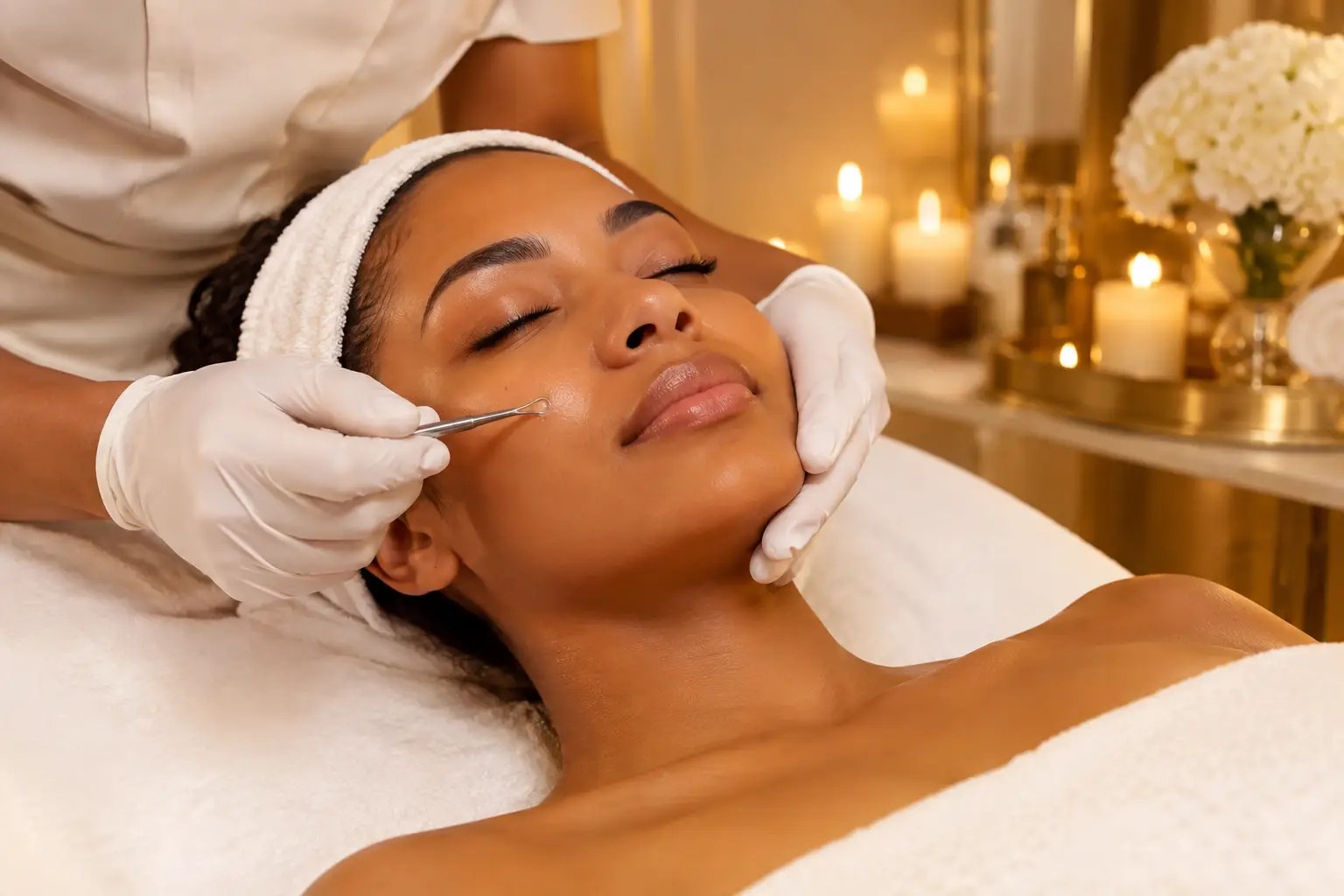
At-home consistency does much of the long-term work, but professional treatments can elevate a well-designed plan. Regular skin consultations and corrective facials allow for close monitoring as the skin changes. Congested areas may benefit from careful extractions when appropriate, while soothing treatments can help support a compromised barrier.
For some clients, a series of professional chemical peels can help improve visible congestion, texture, and uneven tone. The best peel is not necessarily the strongest one. Acne-prone skin may benefit from a customized approach that considers active breakouts, sensitivity, skin tone, homecare products, and the client’s upcoming social calendar. A client preparing for a wedding weekend or an important presentation may need a different timing strategy than someone beginning a longer corrective series.
At Mink Total Medical Spa & Wellness, this kind of care is designed to feel restorative as well as results-driven. Your appointment should not feel like punishment for having acne. It can be a quiet, expertly guided reset that gives your skin focused attention and gives you confidence in what to do next.
Products Matter, But the Order Matters More
It is easy to buy several promising acne products and use them all at once. A cleanser with acids, an exfoliating toner, a grainy scrub, a mask, a spot treatment, and a retinol may sound thorough, but the result can be an inflamed barrier and a confusing picture of what is actually helping.
A better routine has a clear purpose for every product: cleanse without stripping, treat the concern, moisturize to support tolerance, and protect from UV exposure. Curated professional lines such as Face Reality, PCA Skin, and Clinician Complex offer options that can be selected based on breakout type, sensitivity, and overall skin goals. The right product is not simply the one with the highest percentage of an active ingredient. It is the one your skin can use correctly and consistently.
If you are prone to chin and jawline breakouts, also consider the small daily details. Clean makeup brushes regularly, avoid picking, keep hair products away from the face, and cleanse after sweating. These habits will not solve hormonal acne on their own, but they can reduce avoidable irritation and congestion.
What Results Usually Look Like
A realistic timeline protects both your skin and your expectations. In the first two to four weeks, the goal may simply be less irritation and greater consistency. By six to eight weeks, some clients notice fewer inflamed breakouts and a smoother feel in congested areas. Dark marks and deeper textural concerns usually take longer, especially when new breakouts continue to form.
Progress is not always perfectly linear. A stressful month, a menstrual cycle, a vacation, or a new medication can affect the skin. This does not mean the entire plan has failed. It means the plan may need a measured adjustment rather than a complete overhaul.
Photos taken in consistent lighting can be more useful than judging your complexion in a magnifying mirror every morning. Pay attention to the frequency of new blemishes, how quickly existing breakouts resolve, whether your skin feels comfortable, and how confidently you can leave the house without trying to conceal irritation.
When It Is Time to Adjust Your Plan
If your skin burns, stings persistently, flakes heavily, or becomes increasingly red, reduce the frequency of active products and return to a simple cleansing, moisturizing, and SPF routine until your skin settles. Continuing to layer strong products through obvious irritation rarely produces faster results.
Likewise, if you have been consistent for several months and are still experiencing painful or widespread acne, seek medical evaluation. A dermatologist may discuss prescription topicals, oral medication, or hormonal options that can complement professional skin treatments and carefully selected homecare.
Clearer skin is usually built through calm repetition, not a dramatic overnight fix. Give your complexion the same thoughtful care you give the rest of your well-being: an informed plan, room to adjust, and the professional support to make your routine feel like a moment of restoration rather than another demand on your day.