Are Chemical Peels Safe Year Round? The Truth

A glowing complexion does not need to go on pause the moment Charleston’s sunshine gets stronger. But are chemical peels safe year round? For many clients, yes – when the peel is selected thoughtfully, sun exposure is managed carefully, and your skin is supported with the right home care. The best approach is not to treat every season, every skin concern, or every peel as interchangeable.
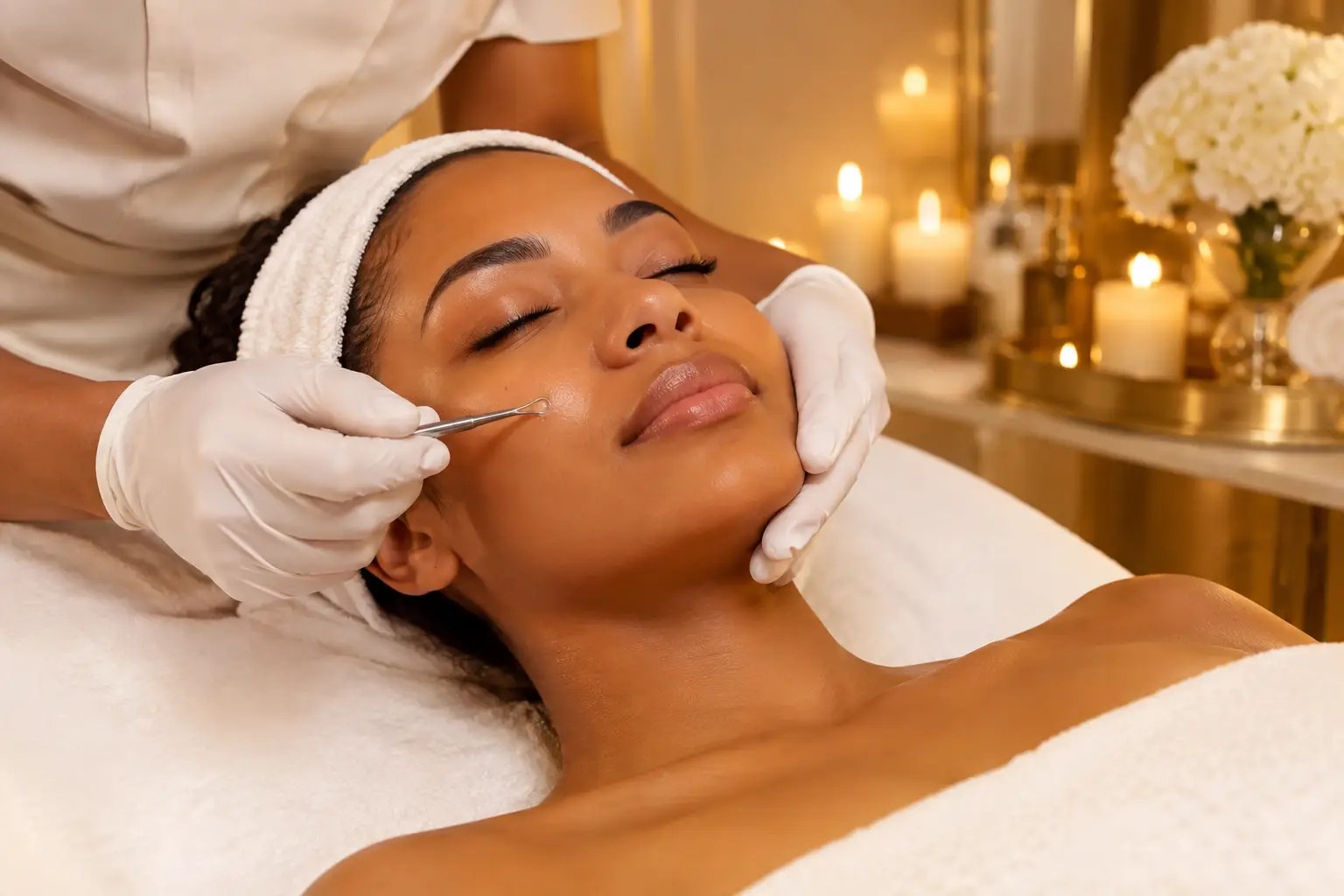
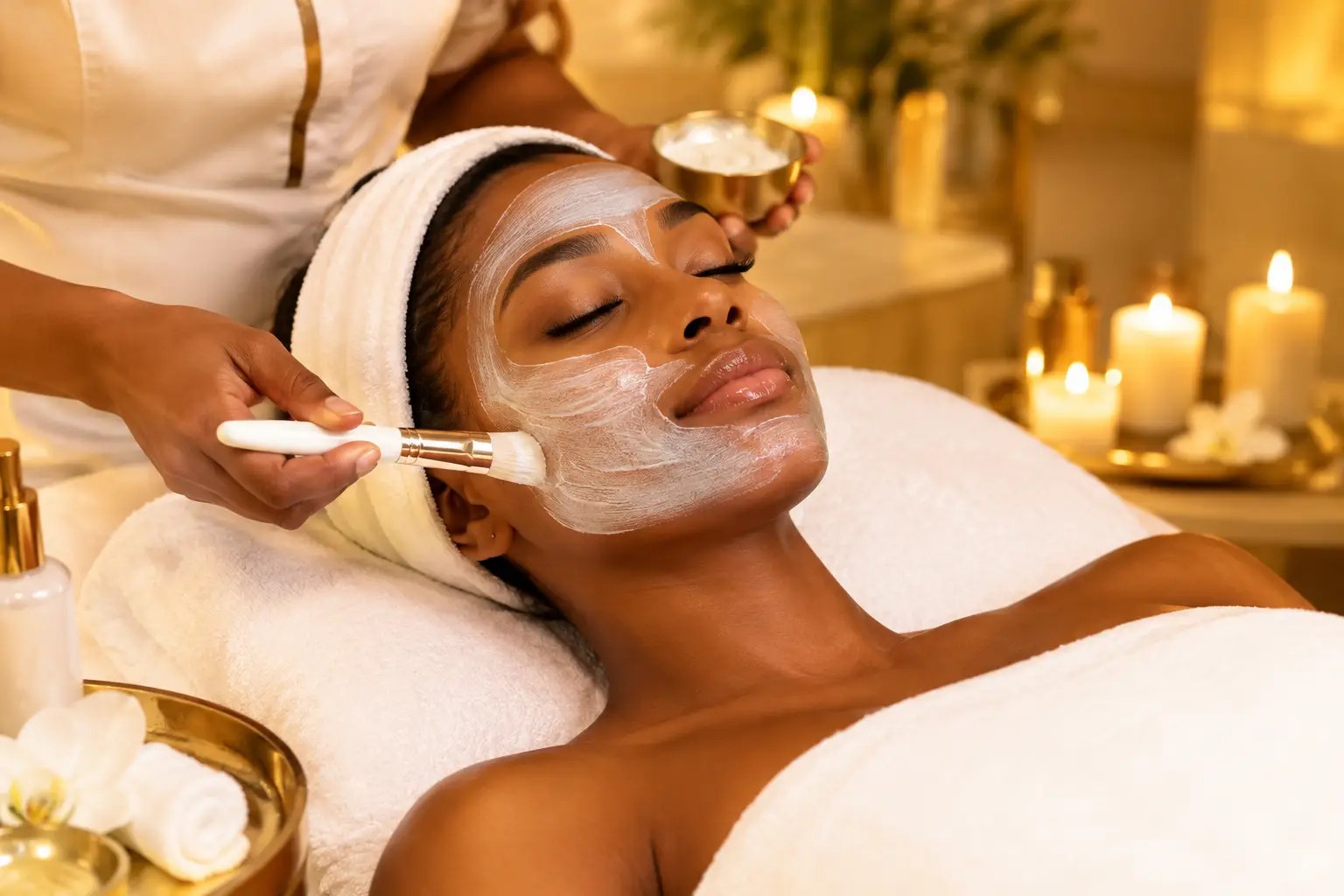
A chemical peel can be a beautiful part of a consistent corrective skincare plan. It may help refine texture, clear congested pores, soften the look of discoloration, support acne management, and bring a fresher, more polished quality to the skin. Yet a peel temporarily increases skin sensitivity, which means timing and aftercare matter just as much as the treatment itself.
Are Chemical Peels Safe Year Round? It Depends on Your Plan
Professional chemical peels can be performed throughout the year, including spring and summer. The question is less about the calendar and more about your individual risk of UV exposure, the strength and type of peel, your skin’s current condition, and your ability to follow aftercare instructions.
A client spending a quiet week indoors with reliable sunscreen habits may be an excellent candidate for a light superficial peel in July. Someone preparing for a beach vacation, outdoor wedding weekend, boating trip, or long days on the golf course may be better served by rescheduling or choosing a gentler treatment. This is especially true if hyperpigmentation or melasma is a primary concern, since heat and UV exposure can make discoloration more persistent.
The safest year-round peel plan is personalized. At Mink Total Medical Spa & Wellness, a skin consultation allows your aesthetician to consider your goals, current products, lifestyle, sensitivity level, and upcoming events before recommending treatment. That personal attention protects both your comfort and your results.
Why Sun Exposure Changes the Conversation
After a peel, the newer skin at the surface is more vulnerable to irritation and ultraviolet damage. Even a peel with minimal visible flaking can leave skin temporarily more reactive. If unprotected skin is exposed to strong sunlight, it can become red, inflamed, or more prone to post-inflammatory hyperpigmentation.
This does not mean you must avoid daylight entirely. It means you need a realistic protection plan. Daily broad-spectrum SPF 30 or higher is essential, but sunscreen should not be treated as a one-and-done step before leaving home. Reapply when you are outside, driving for extended periods, sweating, or spending time near water. A wide-brimmed hat, sunglasses, shade, and thoughtful scheduling offer another layer of protection.
For coastal clients, reflected sunlight deserves extra respect. The beach, pool deck, and boat can intensify exposure, while heat can aggravate freshly treated skin. If those plans are already on your calendar, tell your provider. A properly timed peel is far more rewarding than trying to protect healing skin during a weekend built around the sun.
The Type of Peel Matters More Than the Season
Not all chemical peels work at the same depth or require the same recovery. Superficial peels commonly use ingredients such as lactic acid, mandelic acid, salicylic acid, glycolic acid, or low-strength blends to address concerns closer to the skin’s surface. Depending on the formula and your skin, these may cause light flaking, temporary tightness, or little visible peeling at all.
Medium-depth and more intensive peels create a greater degree of controlled exfoliation and usually require more downtime, more diligent aftercare, and more strategic timing around social events and sun exposure. They are not necessarily inappropriate during warm weather, but they demand a higher level of commitment and clinical guidance.
Acne-prone skin, for example, may benefit from a professionally selected salicylic acid peel during summer when oil production and congestion can rise. A client treating sun spots or melasma may need a more conservative strategy during periods of frequent outdoor exposure. Sensitive or rosacea-prone skin may need a barrier-focused approach before any exfoliating treatment is considered.
This is why selecting a peel by its name, a social media trend, or a friend’s experience can lead to disappointment. The right peel is the one that serves your skin without asking it to recover under conditions that work against it.
Who Should Pause or Proceed With Extra Care?
There are moments when postponing a peel is the most refined choice. Skin should not be peeled when it is sunburned, windburned, actively irritated, severely dehydrated, or compromised from over-exfoliation. If your skin stings when you apply basic moisturizer, take that as a signal that its barrier needs care before correction.
You should also disclose any prescription skincare, recent cosmetic procedure, history of cold sores, allergies, or medical conditions during your consultation. Retinoids, acne medications, waxing, laser treatments, and certain exfoliating products can affect when a peel is appropriate. Pregnancy and breastfeeding considerations vary by ingredient and treatment protocol, so your provider should guide those decisions in coordination with your physician when needed.
Darker skin tones can receive chemical peels safely, but technique, formula selection, and pre- and post-treatment care are especially important. Because pigmentation changes can be more noticeable when inflammation occurs, a measured approach is often preferable to an aggressive one. Corrective skincare should feel intentional, never rushed.
Your At-Home Routine Is Part of Peel Safety
A chemical peel appointment is only one piece of the experience. What you do before and after treatment can determine whether skin looks radiant or unnecessarily reactive.
In the days leading up to a peel, your provider may ask you to pause retinoids, scrubs, exfoliating acids, or other active products. Do not make assumptions about which products to stop. Your routine should be adjusted based on the peel you are receiving and the condition of your skin.
After treatment, keep your routine calm and uncomplicated. Use a gentle cleanser, a soothing moisturizer, and sunscreen. Avoid picking, scrubbing, shaving over irritated areas, or trying to speed up flaking with exfoliants. Visible peeling can be tempting to touch, but pulling at loose skin can cause irritation and uneven healing.
Professional aftercare products are not an indulgence after a peel – they are a practical way to support recovery. Barrier-loving moisturizers, gentle cleansers, and daily SPF help skin retain hydration while it renews itself. Once your provider confirms that your skin is ready, targeted serums or acne-supporting products can be reintroduced with purpose rather than all at once.
How to Time a Peel Around Real Life
For a light peel, many clients appreciate scheduling several days before a low-key week, allowing room for any dryness or flaking. For a stronger treatment, allow more time before photographs, travel, weddings, major work presentations, or outdoor gatherings. Your provider can give you a realistic recovery window based on the treatment rather than promising a universal timeline.
If you love summer travel, consider using the season for maintenance treatments that suit your schedule and protection habits, then reserve more intensive correction for a time when outdoor exposure is easier to limit. Fall and winter are often popular for deeper resurfacing for this reason, but they are not automatically safer if you ski, travel, or spend significant time outdoors without protecting your skin.
Consistency often produces more elegant results than intensity. A series of appropriately spaced superficial peels, paired with quality home care, may be a better fit than one aggressive treatment followed by a long period of irritation or inconsistent sunscreen use.
The Most Beautiful Results Come From Restraint
Chemical peels are safe year round when they are performed for the right client, at the right strength, with a realistic understanding of sun exposure and recovery. There is no prize for choosing the strongest peel or treating skin when it is asking for rest.
The most luminous skin tends to come from a steady rhythm of professional care, nourishing products, daily sun protection, and the confidence to adjust your plan when life gets sunny, busy, or demanding. A thoughtful consultation can help you choose a treatment schedule that lets your complexion feel renewed without putting your results at risk.