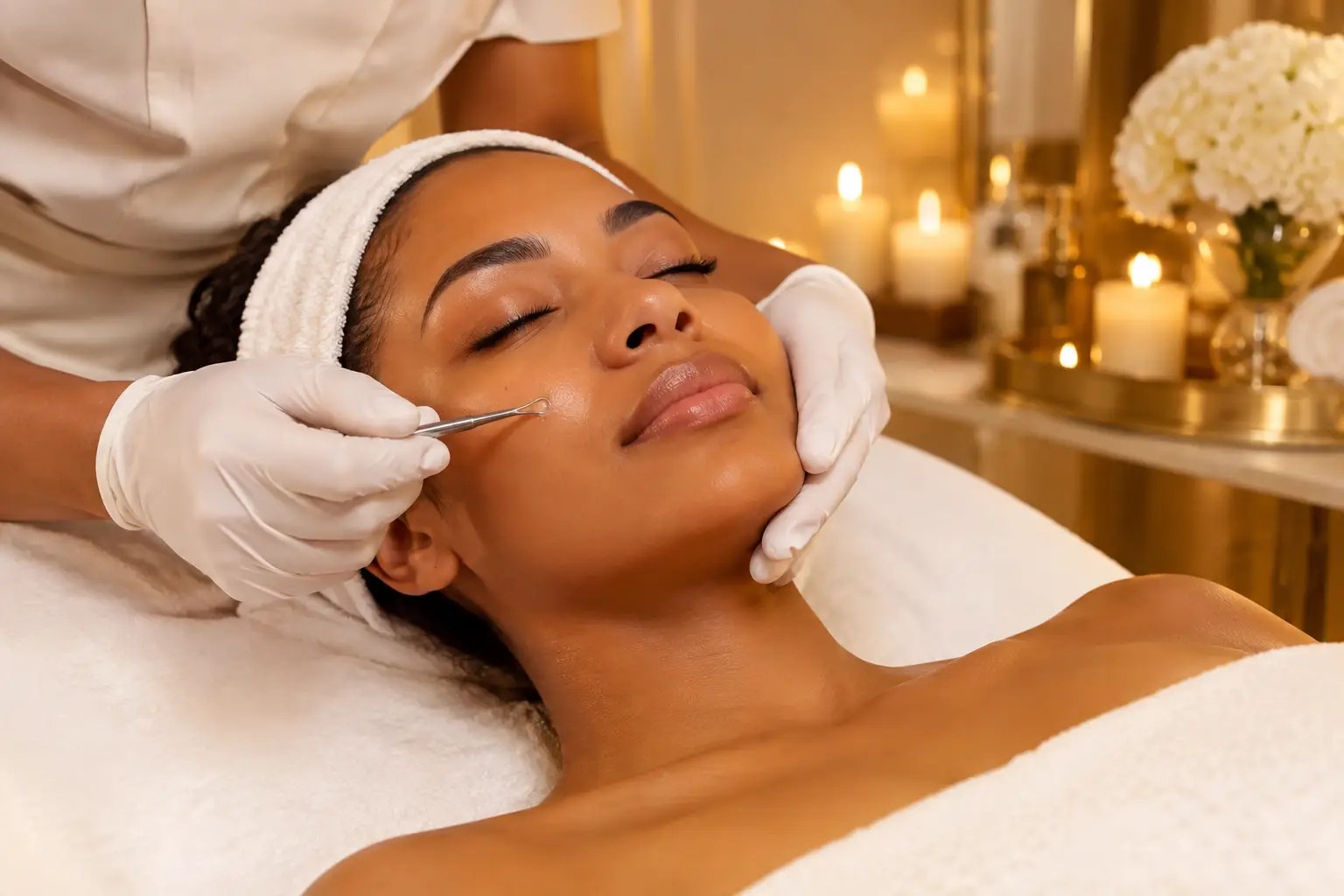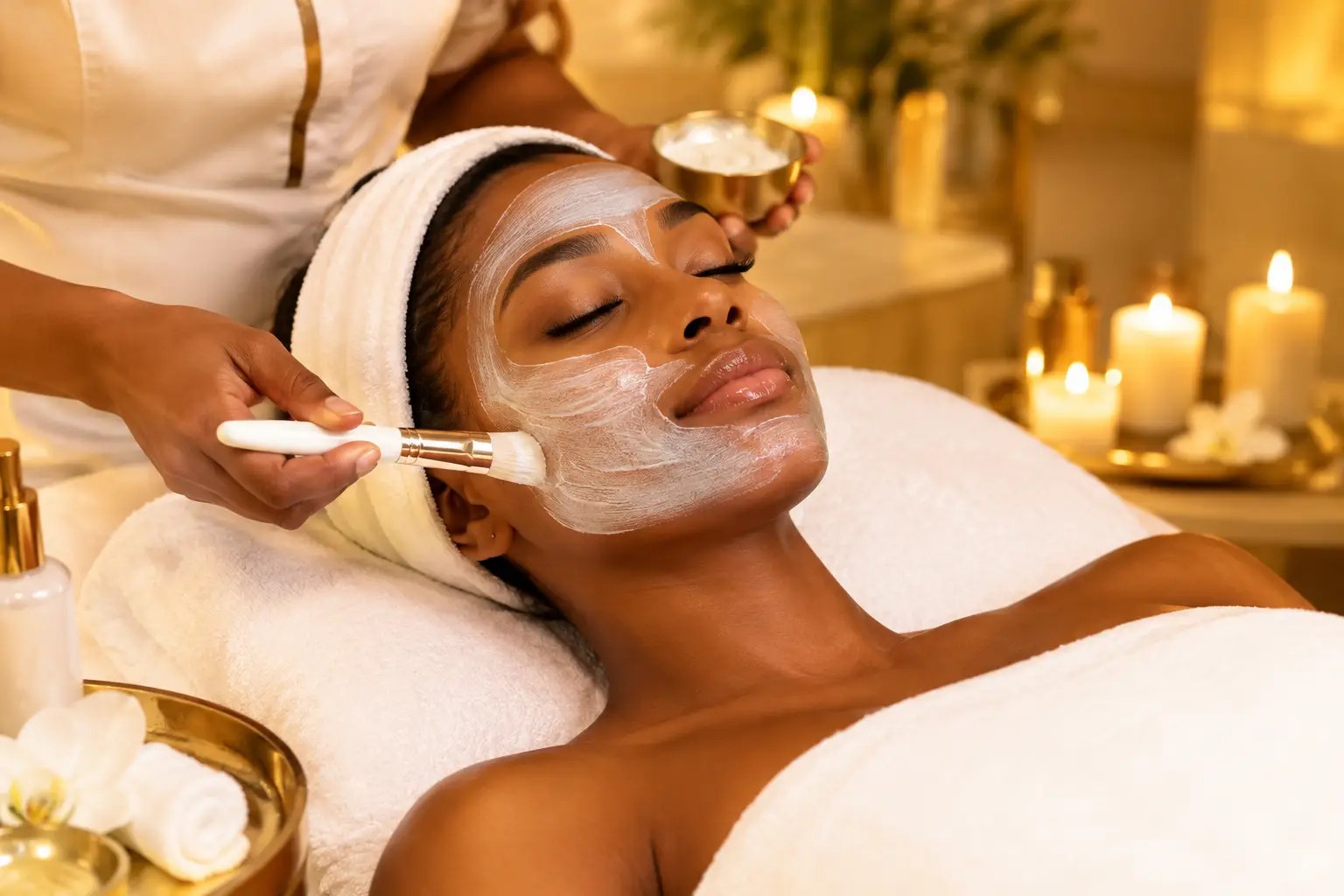
Professional Skin Consultation Guide: What to Expect

Your skin can look tired even when you are doing all the “right” things: cleansing, moisturizing, wearing SPF, and occasionally treating yourself to a facial. Often, the missing piece is not another product. It is clarity. This professional skin consultation guide explains how a thoughtful, expert-led appointment turns scattered skincare efforts into a plan that respects your skin, your schedule, and the results you want to see.
For busy women balancing work, travel, family, and the daily effects of Charleston heat and humidity, skin can change quickly. Breakouts may appear along the jawline, pigment may linger after a summer weekend, or a once-reliable moisturizer may suddenly feel too heavy. A professional consultation creates a calm, informed place to sort through those changes without guessing.
What a Professional Skin Consultation Is Designed to Do
A quality skin consultation is more than a quick look at your complexion followed by a product recommendation. It is a personalized assessment of your skin’s current condition, its history, the factors influencing it, and the care that makes sense for your goals.
Your aesthetician considers concerns such as acne, dehydration, sensitivity, uneven tone, fine lines, texture, congestion, and post-inflammatory discoloration. Just as importantly, she looks at how those concerns behave. Are breakouts constant or cyclical? Is redness a new reaction or a long-standing pattern? Does your skin feel oily on the surface but tight underneath? Those distinctions matter because similar-looking concerns can require very different approaches.
A consultation should also make skincare feel less overwhelming. There is no prize for having a 12-step routine if half the products are irritating your barrier or working against one another. The most effective plan is usually the one you can follow consistently, with room to adjust as your skin responds.
The Details Your Aesthetician Will Review
A professional consultation begins with conversation. Be prepared to discuss what you use at home, including cleanser, exfoliants, serums, acne treatments, moisturizer, eye cream, SPF, makeup, and any body products that contact areas of concern. Bring product names or photos if you cannot remember them. This is especially helpful when you have several active ingredients in rotation.
Your lifestyle is part of the picture, too. Stress, sleep disruption, exercise habits, travel, sun exposure, medications, hormonal changes, and recent treatments can all affect the skin. A good provider will ask about allergies, sensitivities, pregnancy or nursing status, and prescription skincare. These details help determine whether a facial, chemical peel, hair removal service, or a more restorative treatment is appropriate now.
The visual assessment may include close examination of pore congestion, active inflammation, dry patches, pigmentation, visible capillaries, and overall texture. Your aesthetician may also assess how the skin feels and how well it appears to be retaining hydration. This is where professional experience is valuable: dry skin and dehydrated skin are not identical, and an oily complexion can still be dehydrated and sensitized.
A consultation is not a medical diagnosis. Persistent rashes, changing moles, severe acne, or other medical concerns should be evaluated by the appropriate healthcare professional. Still, an experienced corrective skincare specialist can help identify when a cosmetic routine needs to be simplified, supported, or referred out.
How to Arrive Prepared for a Better Appointment
You do not need to arrive with a perfectly bare face or a carefully curated list of concerns. Come as you are. If possible, avoid trying a new peel, retinoid, or intense exfoliant immediately before your appointment, since a sudden reaction can make it harder to evaluate your normal baseline.
It helps to think through three things before you arrive: what bothers you most when you look in the mirror, what you have already tried, and how much time you can realistically give your routine. A client who wants a polished, low-maintenance complexion before early meetings needs a different plan than someone ready to commit to a more involved corrective acne program.
Be honest about consistency. If nightly routines rarely happen, say so. Your provider can build a streamlined morning and evening ritual that is more likely to become part of your life. Luxury skincare should feel like a restorative pause, not another obligation waiting on the bathroom counter.
What Your Personalized Plan May Include
After the assessment, your aesthetician should explain what she sees in language that is clear, not intimidating. You should understand the priority concern, why it is happening when that can be reasonably determined, and which steps are worth focusing on first.
For some clients, the plan begins with barrier support: a gentle cleanser, hydration, moisturizer, and daily broad-spectrum SPF. This can be the right foundation for skin that is reactive, over-exfoliated, or simply depleted. For others, corrective care may include acne-focused ingredients, strategic exfoliation, pigment-supporting serums, or a series of professional treatments.
The trade-off is that faster is not always better. Aggressive exfoliation can temporarily make skin look smoother, yet it may worsen irritation or compromise the barrier if your skin is already stressed. Similarly, a strong acne regimen can be effective, but it needs to be introduced with appropriate pacing and aftercare. A professional plan balances visible progress with the health and comfort of your skin.
At Mink Total Medical Spa & Wellness, curated options from PCA Skin, Clinician Complex, Face Reality, and Fur can support a tailored routine rather than a one-size-fits-all shelf. Your aesthetician may recommend only a few essentials at first, then add targeted products once your skin is stable. Retail skincare is also available online and ships nationwide, making it easier to replenish the products that are working for you.
Professional Treatments and At-Home Care Work Together
A consultation may lead to a spa facial for hydration, extractions, relaxation, and ongoing maintenance. If your goals are more corrective, chemical peels or acne-focused treatment plans may be appropriate. The right choice depends on your skin condition, your tolerance for downtime, your upcoming events, and how faithfully you can follow aftercare.
Professional treatments provide concentrated support, but they cannot replace daily home care. Think of an in-spa appointment as the focused reset and your routine as the steady reinforcement. Daily sunscreen, especially in coastal South Carolina, is often the nonnegotiable element for maintaining progress with pigment, texture, and premature visible aging.
Your provider should be direct about what to expect after treatment. Some services may cause temporary dryness, flaking, or sensitivity. Others are designed to leave skin immediately refreshed with little interruption to your schedule. If you have a wedding, vacation, photoshoot, or important work event approaching, mention it early. Timing is part of good skincare planning.
Questions Worth Asking During Your Consultation
The best consultations are collaborative. Ask which concern should be addressed first, how long meaningful changes may take, and what signs would suggest the plan needs adjustment. Ask whether your current products can stay in your routine, rather than assuming everything must be replaced.
You may also ask how to layer products, how often to exfoliate, what to pause before a professional treatment, and which products should travel with you. If cost is a consideration, say so. An ethical recommendation prioritizes the few products and treatments most likely to make a difference, then builds from there when appropriate.
Finally, ask when to check in again. Acne, pigmentation, sensitivity, and seasonal dehydration are rarely solved in one appointment. Follow-up care gives your aesthetician an opportunity to see how your skin is responding and refine the plan before minor irritation or stalled progress becomes discouraging.
When It Is Time to Book a Consultation
Consider scheduling when your skin has changed without an obvious reason, when you feel stuck in a cycle of buying products that do not deliver, or when you want professional guidance before investing in a more advanced service. It is also an excellent first step before a chemical peel, a series of facials, or an event-focused skincare plan.
There is real relief in replacing trial and error with personal attention. A well-designed skin consultation should leave you feeling informed, cared for, and confident in your next step. Your skin does not need a complicated routine to look its best. It needs consistent care, thoughtful correction, and an expert who sees the individual behind the concern.