How to Prepare for a Chemical Peel

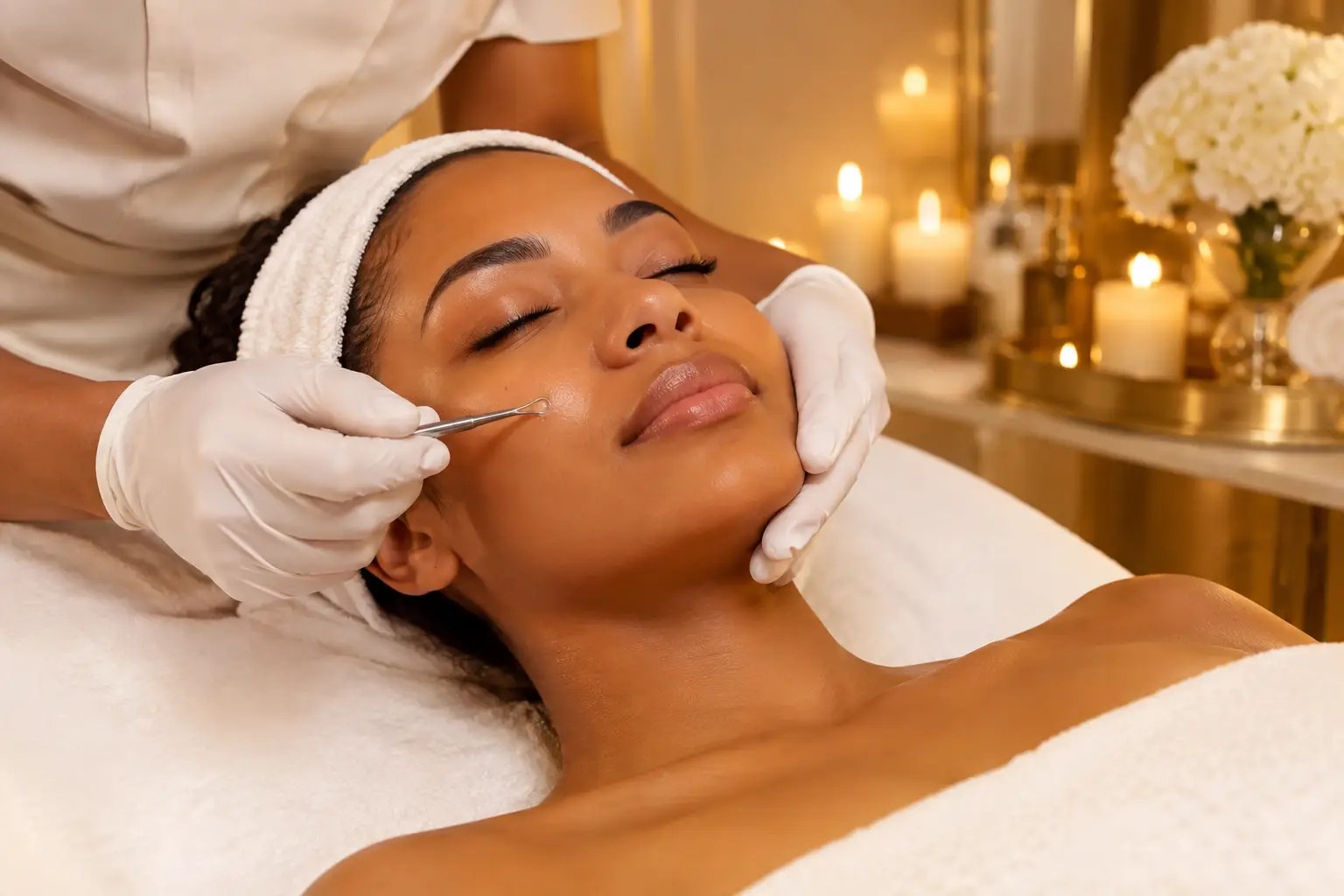
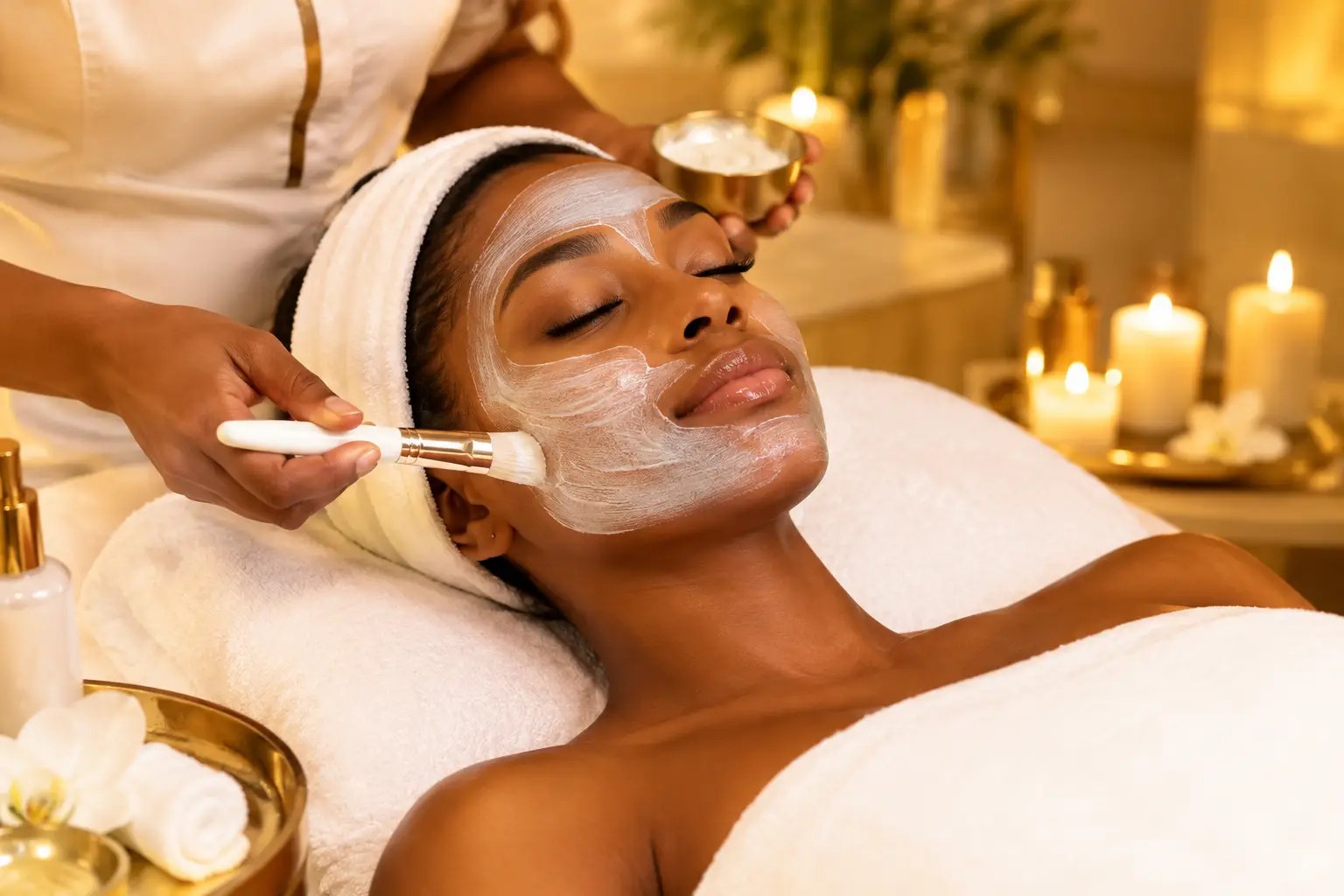
A chemical peel can do beautiful work for the skin – brighter tone, smoother texture, softer fine lines, and a fresher overall look. But the treatment itself is only part of the result. If you want your peel to perform well and your recovery to feel manageable, knowing how to prepare chemical peel appointments properly makes a real difference.
Preparation is where skin safety and skin results meet. The right plan helps reduce unnecessary irritation, supports more even exfoliation, and gives your provider a clearer view of how your skin is likely to respond. For busy women balancing work, events, travel, and daily stress, that kind of predictability matters.
Why preparation matters before a peel
Chemical peels work by applying a professional exfoliating solution that encourages the skin to shed damaged surface cells and renew itself more efficiently. That sounds simple, but your skin barrier, product routine, sun exposure, and current sensitivity level all affect what happens next.
If your skin is already over-exfoliated, inflamed, or sunburned, a peel can feel harsher than it should. If you have been using strong actives right up to your appointment, you may see more redness, stinging, or uneven peeling. On the other hand, when your skin is calm and your provider has a clear understanding of your history, the treatment tends to be more controlled and more comfortable.
This is why professional consultation matters. Not every peel is right for every person, every season, or every concern. Acne, melasma, visible aging, rough texture, and post-inflammatory discoloration may all benefit from peeling treatments, but the best approach depends on your skin tone, sensitivity, lifestyle, and goals.
How to prepare for a chemical peel in the weeks before
If you are wondering how to prepare for a chemical peel, start earlier than you think you need to. Two weeks before treatment is often the sweet spot for making thoughtful changes without overcomplicating your routine.
Sun protection comes first. Daily SPF is non-negotiable before a peel because recent sun exposure can leave skin reactive and vulnerable. If you spend time outdoors, reapply sunscreen and wear a hat when possible. A peel on freshly tanned or sunburned skin is not worth the risk.
This is also the time to simplify your home care. Many clients arrive using several active products at once – retinol, exfoliating pads, acne spot treatments, brightening serums, and scrubs layered into the same week. That routine may feel productive, but before a peel, too much activity can compromise the barrier. Focus on a gentle cleanser, a balanced moisturizer, sunscreen, and only the corrective products your provider has approved.
If you are prone to cold sores, tell your provider before your appointment. Certain peels, especially around the mouth, can trigger an outbreak in susceptible clients. In some cases, an antiviral may be recommended as a precaution.
Timing matters too. If you have an important event, photos, or travel coming up, do not schedule blindly. Some peels involve only light flaking, while others create more visible shedding for several days. Your calendar should match the level of treatment you choose.
Products and treatments to stop before your appointment
A common mistake is treating a peel like an ordinary facial. It is more corrective than that, which means prep needs to be more intentional.
About five to seven days before your peel, most clients should pause retinoids, retinol, prescription tretinoin, exfoliating acids such as glycolic or salicylic acid, benzoyl peroxide, and physical scrubs unless their provider instructs otherwise. Hair removal in the treatment area should also be avoided. Waxing, depilatory creams, dermaplaning, and aggressive shaving too close to the appointment can leave the skin too exposed.
Injectables, lasers, and other advanced treatments may also affect timing. If you have recently had a cosmetic procedure or are planning one soon, mention it during booking. Treatments can complement each other beautifully, but only when spaced correctly.
There is some nuance here. Not every skin type needs the same prep, and not every peel requires a complete pause on all actives for the same length of time. Some clients with acne or pigment concerns are intentionally prepped with specific products. That is one more reason a personalized treatment plan matters more than generic internet advice.
What to do the day before and day of your peel
The day before your appointment, keep things quiet. Cleanse gently, moisturize well, and avoid experimenting with anything new. If your skin feels dry or tight, resist the urge to exfoliate. Calm skin usually responds better than skin that has been pushed too hard.
On the day of your peel, arrive with clean skin if possible. Skip heavy makeup, self-tanner, and strong active products. If you are coming from work or errands, your provider can cleanse the skin thoroughly, but a bare face makes assessment easier.
Hydration is helpful, both internally and topically. Drink water, avoid arriving overheated from exercise, and do not schedule your appointment immediately after a workout. Heat can heighten skin sensitivity and redness.
It is also wise to keep expectations realistic. Some clients hope every peel will produce dramatic sheets of peeling. That is not how success is measured. A well-chosen peel may create visible flaking, or it may simply leave the skin smoother, clearer, and more refined over the following days. The goal is healthy renewal, not forcing the skin into a dramatic reaction.
Questions to ask during your consultation
A quality consultation should feel both informative and reassuring. You should leave knowing what peel is being recommended, why it fits your skin, what the downtime may look like, and how to care for your face afterward.
Ask what kind of peeling or dryness is normal, when to stop your active products, and when you can resume them. If you have a history of sensitivity, hyperpigmentation, or eczema, bring that up right away. These details can change the treatment choice and the pre-care plan.
It is also reasonable to ask how many sessions may be needed. For texture, acne, or discoloration, one peel can be a lovely reset, but a series often delivers more meaningful correction. That is not a sales tactic when recommended appropriately – it is simply how progressive skin improvement often works.
How to prepare chemical peel appointments if you have sensitive or acne-prone skin
Sensitive and acne-prone skin often benefit from peels, but they need a more thoughtful lead-up. If your skin gets red easily, stings with products, or is recovering from breakouts, do not assume stronger means better.
Barrier support becomes especially important. A bland, nourishing moisturizer and consistent sunscreen may do more for your outcome than adding extra treatment products. If you are acne-prone, avoid picking, squeezing, or over-treating blemishes in the days before your appointment. Inflamed skin is harder to treat evenly.
For deeper skin tones or anyone prone to post-inflammatory hyperpigmentation, professional guidance is essential. Peel selection, strength, and prep can all be adjusted to support brightening without creating unnecessary inflammation. This is where corrective expertise matters far more than chasing the strongest option on the menu.
Planning your aftercare before you even arrive
The best peel prep includes aftercare planning. Before your appointment, make sure you already have a gentle cleanser, moisturizer, and broad-spectrum SPF at home. You should not be standing in a store afterward trying to guess what your healing skin can tolerate.
It also helps to think through your schedule for the next few days. If your peel may involve visible dryness or flaking, plan for minimal heat exposure, no picking, and less temptation to pile on makeup. A little space in your routine can make recovery feel much more graceful.
If you want a treatment experience that is both results-driven and restorative, that balance should start before the peel itself. At Mink Total Medical Spa & Wellness, preparation is part of the service, not an afterthought. When your skin is evaluated carefully and your plan is tailored to your life, the treatment feels more refined from start to finish.
A chemical peel should never feel like guesswork. Give your skin a calm runway, trust professional guidance, and let preparation do what it is meant to do – create the conditions for a smoother, brighter result that feels every bit as polished as it looks.