How to Relieve Stress Skin and Calm Flare-Ups

You can usually see stress on the skin before you fully admit you are under it. A sudden breakout before a big event, redness that lingers longer than usual, dryness that seems to appear overnight, or skin that feels both oily and dehydrated at once – this is often stress skin. If you have been searching for how to relieve stress skin, the answer is rarely one product or one facial. It is a thoughtful combination of barrier repair, inflammation control, nervous system support, and consistent professional guidance.
Stress skin is real, and it is not just a vague beauty term. When the body is under pressure, cortisol and other stress hormones can increase oil production, disrupt the skin barrier, slow healing, and trigger inflammation. For some people that shows up as acne. For others, it looks more like sensitivity, rough texture, dullness, eczema flare-ups, or skin that simply stops behaving the way it normally does.
What stress skin actually looks like
Stress skin does not present the same way for everyone, which is why generic advice often falls flat. In a busy professional with naturally oily skin, stress may lead to congestion along the jawline, more reactive breakouts, and lingering post-acne marks. In someone with drier or more sensitive skin, it may show up as tightness, redness, flaking, and stinging when applying products that never used to bother them.
You may also notice that your skin looks tired even when you are doing all the right things on paper. That can mean less radiance, more pronounced fine lines from dehydration, or a general loss of balance. Stress affects sleep, hydration, digestion, and circulation, so the skin often reflects the cumulative effect rather than one isolated issue.
How to relieve stress skin without making it worse
When skin is stressed, the instinct is often to do more. Stronger exfoliants, more masks, more spot treatments, and frequent product switching can feel productive, but they often push irritated skin further off balance. The first step is usually to simplify.
Focus on barrier repair first
Your skin barrier is what helps keep moisture in and irritants out. When stress weakens that barrier, even good products can start to sting or feel too active. A gentle cleanser, a hydrating serum, a nourishing moisturizer, and daily SPF often do more for stressed skin than an aggressive corrective routine.
Look for formulas that support hydration and calm visible irritation. Ingredients like hyaluronic acid, ceramides, glycerin, niacinamide, and panthenol are often helpful. If your skin is actively inflamed, it may be wise to pause harsh acids, retinoids, scrubs, and overuse of acne treatments for a few days while the skin settles.
That does not mean corrective care is off the table forever. It simply means timing matters. Inflamed skin tends to respond better when you restore resilience before trying to push results.
Cleanse with a lighter hand
Over-cleansing is one of the most common habits behind stress-related irritation. If your skin feels stripped after washing, or squeaky clean in a way that feels almost too clean, your cleanser may be working against you. Use lukewarm water, avoid abrasive cleansing tools, and choose a cleanser that removes buildup without leaving skin tight.
For clients who wear makeup, SPF, or spend time in humid coastal weather, a gentle double cleanse in the evening can help. The key is choosing formulas that cleanse thoroughly without creating more inflammation.
Keep active ingredients strategic
If breakouts are part of your stress skin pattern, you may still need acne support. The trick is using it strategically instead of treating your entire face like a problem area. A targeted acne cream or serum can help control blemishes while the rest of your routine stays calming and supportive.
This is where personalized recommendations matter. Stress breakouts can look like traditional acne, but they can also overlap with sensitivity, rosacea, or barrier damage. Treating everything as acne often delays improvement.
Professional treatments can calm what home care cannot
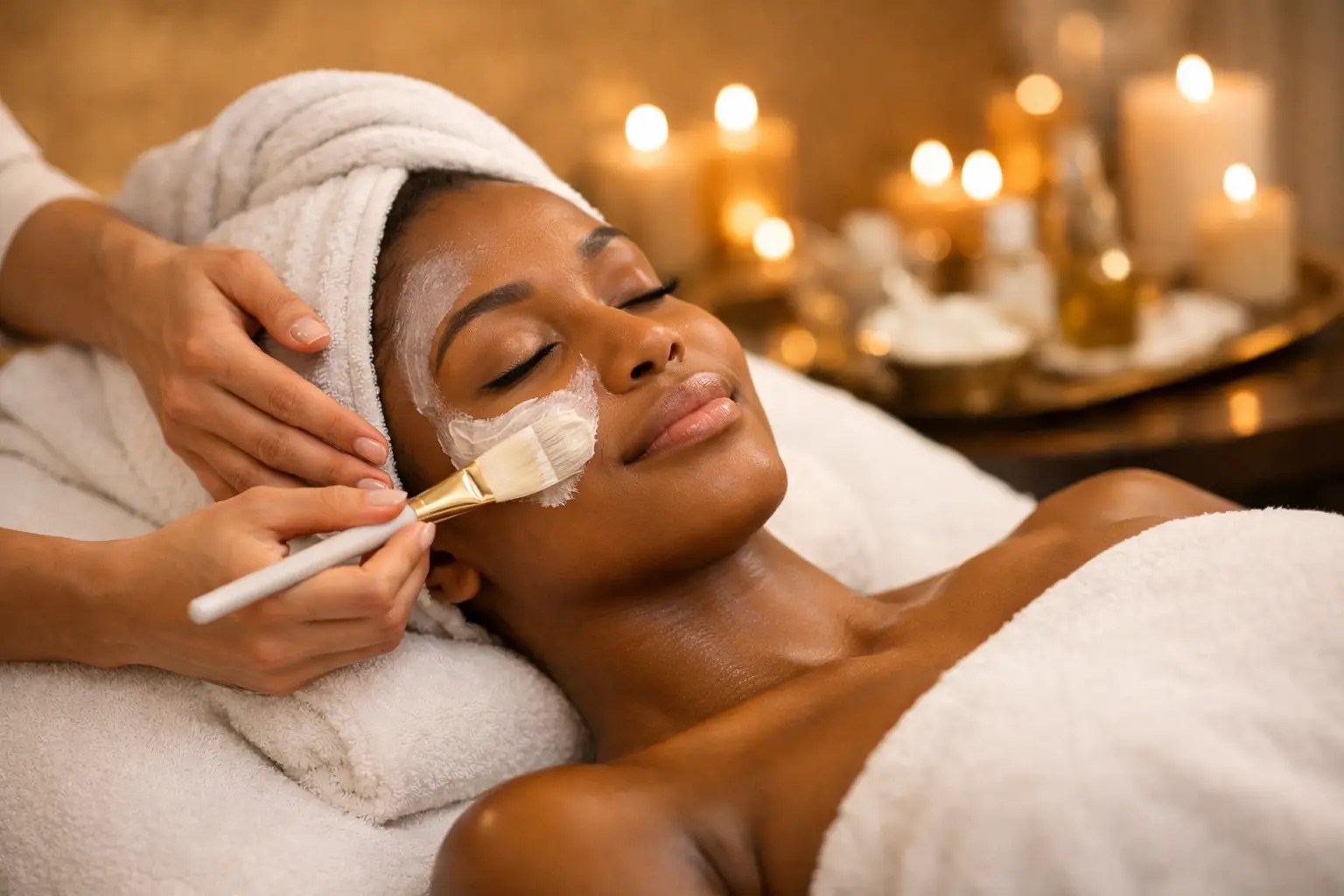
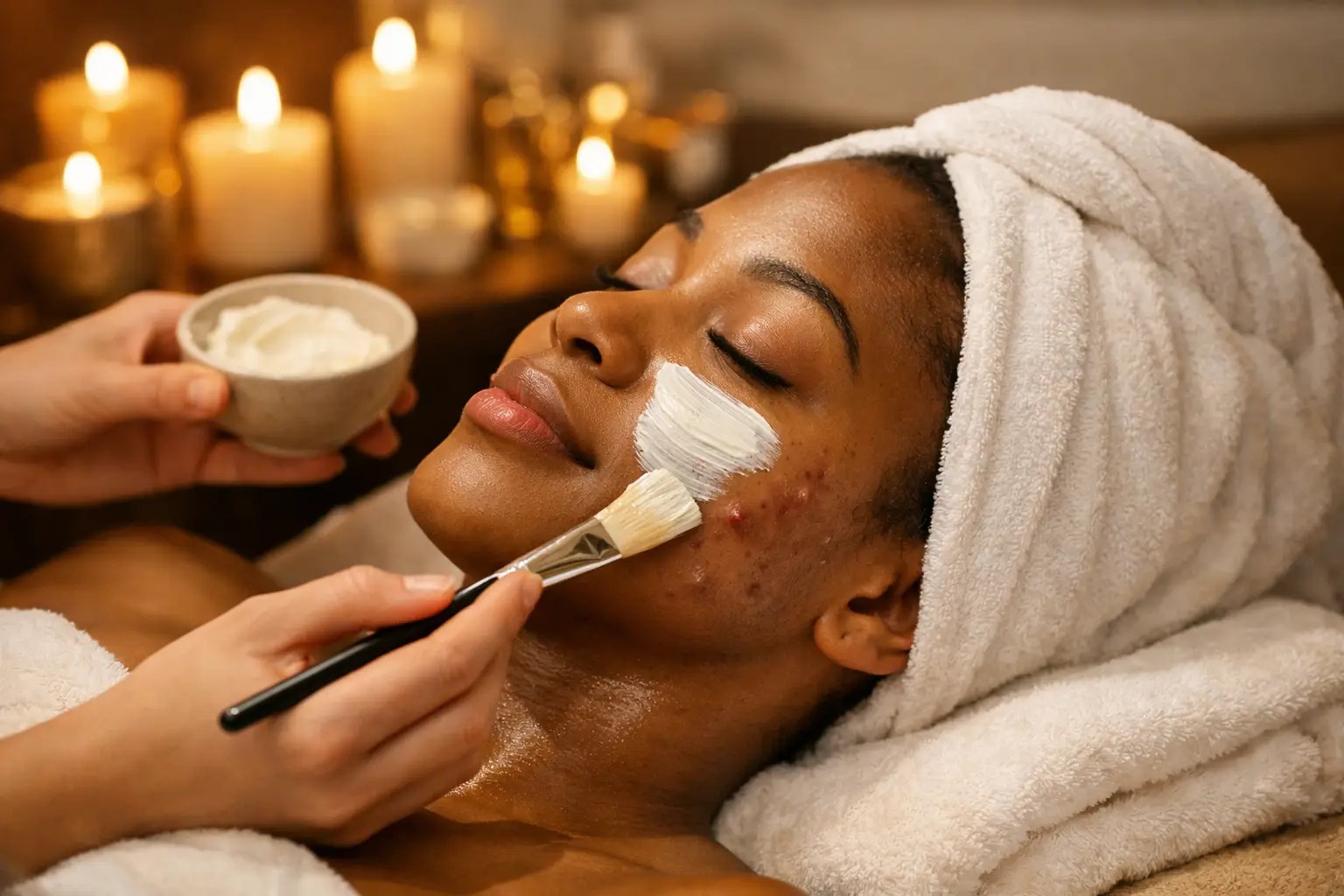
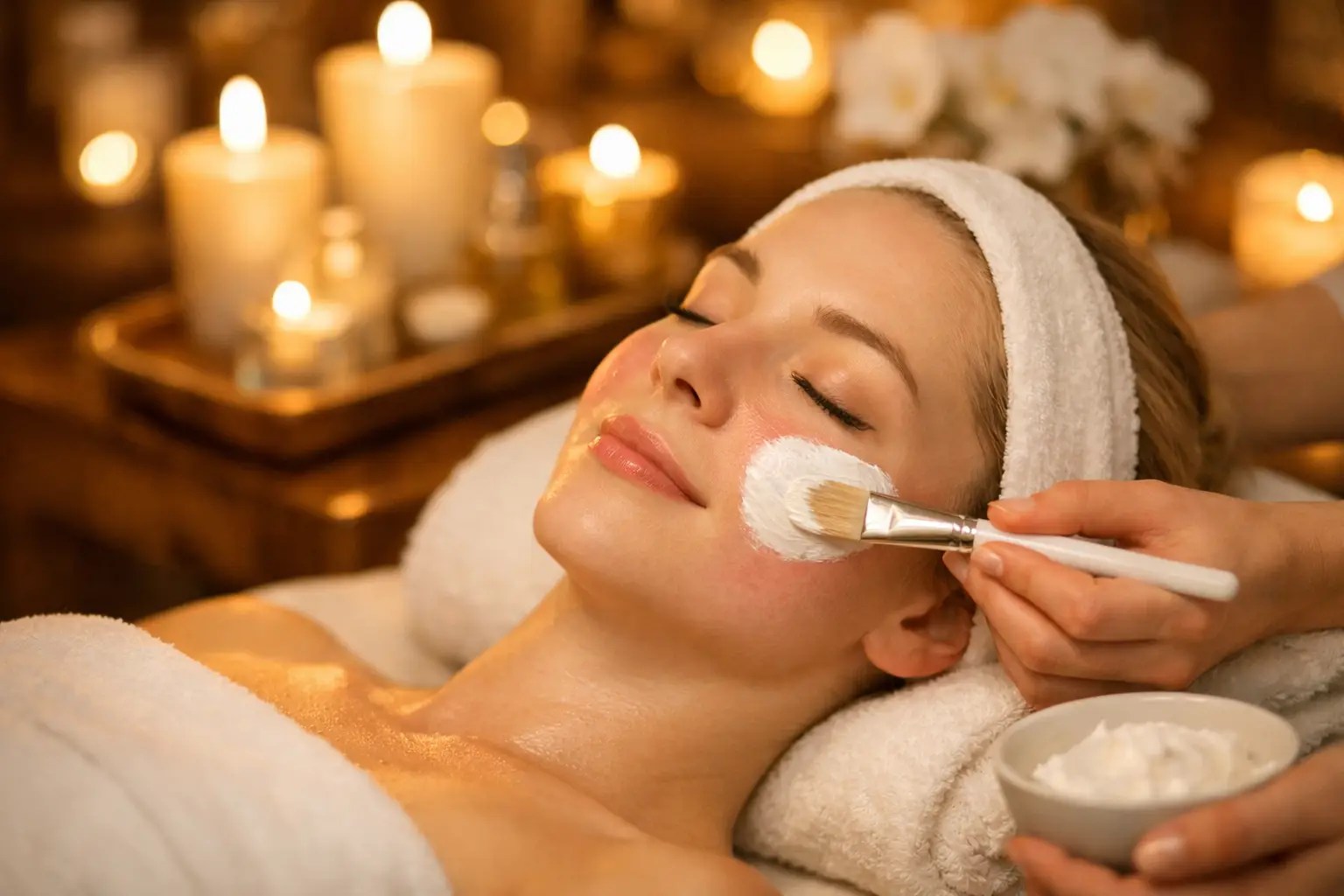
At-home skincare is essential, but stressed skin often benefits from professional support, especially when the skin is stuck in a cycle of flare-ups. A customized facial can help reset the skin with gentle exfoliation, hydration, extractions when appropriate, and calming ingredients selected for your current condition rather than a one-size-fits-all protocol.
Massage also plays a meaningful role here. Stress skin is not only about what sits on the face. It is connected to the nervous system, muscle tension, sleep quality, and overall inflammation. When the body is given space to decompress, the skin often follows. For many women balancing work, family, travel, and nonstop responsibilities, regular massage is not an indulgence. It is part of staying well.
In a clinical spa setting, treatments like corrective facials or carefully timed chemical peels may also be appropriate, but not every stressed complexion is ready for advanced treatment immediately. Sometimes the best results come from knowing when to soothe first and strengthen gradually.
How lifestyle shows up on your face
A polished skincare routine can only do so much if your body is running on too little rest and too much stimulation. That is not a judgment. It is simply how skin works. If you are serious about how to relieve stress skin, a few daily habits matter more than most people want to admit.
Sleep is one of them. Poor sleep raises inflammatory signals and can worsen breakouts, dullness, under-eye puffiness, and dehydration. Hydration matters too, though drinking water alone will not fix the skin barrier. Think of it as supportive, not corrective.
Food can also influence the way stress appears in the skin. Some people notice more inflammation or breakouts during high-sugar, highly processed, or alcohol-heavy stretches. Others are more affected by irregular meals and blood sugar swings. It depends on your skin, your hormones, and your baseline health.
Then there is the less glamorous side of stress skin – touching your face, picking, sleeping in makeup, skipping SPF, and relying on quick fixes because you are exhausted. Those habits are common during stressful seasons, which is why a realistic routine matters. Better to use four products consistently than ten products only when you have the energy.
A simple routine for stressed skin
A good stress-skin routine should feel calming, not complicated. In the morning, cleanse gently if needed, apply a hydrating or barrier-supporting serum, follow with moisturizer, and finish with SPF. In the evening, remove makeup and sunscreen thoroughly, use one treatment product only if your skin is tolerating it well, and seal in moisture with a nourishing cream.
If your skin is breaking out, a balanced professional-grade routine can make a visible difference. Many clients do well with curated products such as gentle cleansers, targeted acne support, hydrating serums, and non-comedogenic SPF from trusted lines like PCA Skin, Clinician Complex, or Face Reality. The key is matching the product to the condition of your skin today, not the skin you had six months ago.
If your skin burns, flakes, or looks suddenly reactive, scale back. If it feels congested but stable, a carefully chosen exfoliant may help. This is why stress skin is so individual. The right routine depends on whether your skin is inflamed, acne-prone, depleted, or all three at once.
When to get expert help for stress skin
If your skin has stayed irritated for weeks, if your breakouts are painful or cystic, or if your usual products suddenly cause discomfort, it is time for a professional assessment. Ongoing stress can trigger skin changes that need more than trial and error.
A skin consultation can help you separate temporary flare-ups from a larger issue like adult acne, rosacea, sensitization, or hormonal imbalance. That clarity saves time, money, and frustration. It also helps you avoid the cycle of buying product after product without understanding what your skin is actually asking for.
For clients in Charleston and nearby communities, this is where a personalized treatment plan becomes especially valuable. A boutique medical spa experience should do more than feel relaxing. It should give you a path forward – one that addresses both visible skin concerns and the deeper stress patterns contributing to them. That blend of corrective care and restoration is often what finally helps the skin settle.
Stress may be unavoidable, but chronic flare-ups do not have to be your normal. Skin responds beautifully when it feels supported, and sometimes the most effective thing you can do is slow down enough to care for it with more intention.