How Medical Grade Skincare Products Work

A cleanser that leaves skin tight, a serum bought on impulse, and an SPF used only on beach days can quietly work against the complexion you want. Medical grade skincare products offer a more intentional approach: formulas selected for meaningful active ingredients, consistent use, and skin goals that deserve more than a quick fix.
For professionals balancing meetings, family obligations, travel, and Charleston’s humid coastal climate, an effective routine should feel refined rather than complicated. The right products can support clearer pores, a brighter tone, firmer-looking skin, and a healthier barrier without turning the bathroom counter into a chemistry lab.
What “Medical Grade” Really Means
Medical grade skincare is widely used to describe professional-strength, results-oriented products often carried by medical spas, aesthetic practices, and skincare professionals. These formulas frequently feature higher-performance concentrations of established ingredients such as retinol, vitamin C, exfoliating acids, peptides, growth factors, and pigment-correcting ingredients.
The phrase itself is not a federally regulated product category, and it does not automatically mean a product is prescription-only. Prescription treatments are regulated differently and may be appropriate for certain conditions under a medical provider’s care. What distinguishes a professional skincare line is usually its formulation philosophy, ingredient quality, product education, and the guidance available when choosing it.
That guidance matters. A powerful exfoliating serum can be a beautiful fit for congested, resilient skin, but the same formula may be too much for someone experiencing rosacea-like sensitivity, a compromised barrier, or irritation after a peel. Corrective skincare is not about using the strongest product possible. It is about using the right product, at the right frequency, for your skin’s present condition.
Why Medical Grade Skincare Products Feel Different
Many retail products are enjoyable to use and can absolutely have a place in a routine. A beautifully textured moisturizer, for example, may make daily consistency easier. Professional formulations tend to prioritize a specific skin outcome, whether that is reducing visible discoloration, supporting collagen, managing acne, or improving texture.
A well-designed routine also considers how products work together. Introducing a retinol, glycolic acid toner, vitamin C serum, and acne treatment all at once may sound ambitious, but it can lead to dryness, flaking, and inflammation. When skin is irritated, concerns like breakouts and uneven tone can appear worse, not better.
Professional recommendations create a more measured path. A corrective regimen may begin with barrier support and daily sunscreen, then add one active ingredient at a time. That slower approach is often what allows clients to see lasting improvement without sacrificing comfort.
The formula is only part of the result
Skincare results are influenced by product quality, but they also depend on application, consistency, sun exposure, hormones, stress, and treatments received in the spa. Someone using a corrective serum twice a week with daily SPF may see more progress than someone applying several active products inconsistently.
This is why a skin consultation can be so valuable. Your skin may need acne support in one area, hydration in another, and discoloration care across the cheeks. A personalized plan addresses that reality instead of forcing your complexion into a one-size-fits-all category.
Build a Routine Around Your Primary Goal
The most elegant routine is usually the one you can maintain. Start by identifying your primary concern, then select products that support it while protecting the skin barrier.
For acne and congestion
Acne-prone skin often benefits from a gentle cleanser, targeted pore-clearing ingredients, lightweight hydration, and non-negotiable SPF. Salicylic acid can help keep pores clearer, while retinoids may support cell turnover and smoother texture over time. Benzoyl peroxide can be helpful for certain inflammatory breakouts, though it may be drying and can bleach fabrics.
Avoid the temptation to scrub away acne. Harsh scrubs, frequent extractions at home, and overuse of strong acids can create irritation that makes skin feel oilier and look more inflamed. A professional acne cream or corrective serum should be introduced with clear instructions, especially if you are also receiving chemical peels or hair removal services.
For dark spots and uneven tone
Discoloration is often persistent because it is tied to sun exposure, inflammation, and the skin’s own pigment response. Vitamin C, retinol, carefully chosen acids, and brightening ingredients can all play a role, but sunscreen is the foundation. Without broad-spectrum SPF every morning, even the most sophisticated treatment routine has to work much harder.
For coastal living, choose an SPF you genuinely enjoy wearing. Reapplication matters during extended outdoor time, especially on the water, at the beach, or while driving. A tinted mineral sunscreen may be appealing for some clients because it combines daily protection with a polished finish, while others prefer the invisible feel of a chemical formula. The best choice is the one your skin tolerates and you will use consistently.
For dryness, sensitivity, or a compromised barrier
Tightness after cleansing, stinging when applying products, visible flaking, and sudden reactivity can all point to a stressed skin barrier. In this phase, less is often more. A gentle cleanser, nourishing moisturizer, hydrating serum, and sunscreen may be enough until comfort returns.
Pause or reduce exfoliants and retinoids when advised. This is not abandoning your goals. It is giving skin the conditions it needs to respond well to future corrective care. Ingredients such as ceramides, hyaluronic acid, glycerin, and soothing botanical extracts can make a noticeable difference in how skin feels day to day.
For early signs of aging and loss of radiance
Fine lines, dullness, and changes in firmness respond best to steady, long-term care rather than a single dramatic product. Retinol remains a cornerstone for many routines because it supports smoother-looking texture and more even tone. Vitamin C in the morning can complement a nighttime retinol routine, while peptides and hydrating ingredients help maintain a supple finish.
There is a trade-off: more active routines require more patience. Retinol can cause temporary dryness or flaking, particularly when first introduced. Starting gradually, pairing it with a supportive moisturizer, and using sunscreen daily allows many people to gain the benefits with less disruption.
How to Introduce Professional Products Safely
When you bring home a new product, do not change every step of your routine at once. Begin with one active product and use it as directed for several weeks. This makes it easier to recognize what your skin loves and what may be causing irritation.
Use exfoliating acids and retinol thoughtfully rather than layering them automatically on the same evening. Be especially careful after chemical peels, waxing, laser services, or any treatment that temporarily increases sensitivity. Your esthetician can tell you when to pause active ingredients and when it is appropriate to resume them.
Pregnancy, nursing, prescription medications, eczema, and a history of skin sensitivity can also change what is suitable. Personalized guidance is not an extra luxury in these cases. It is part of responsible skincare.
Pair At-Home Care With Professional Support
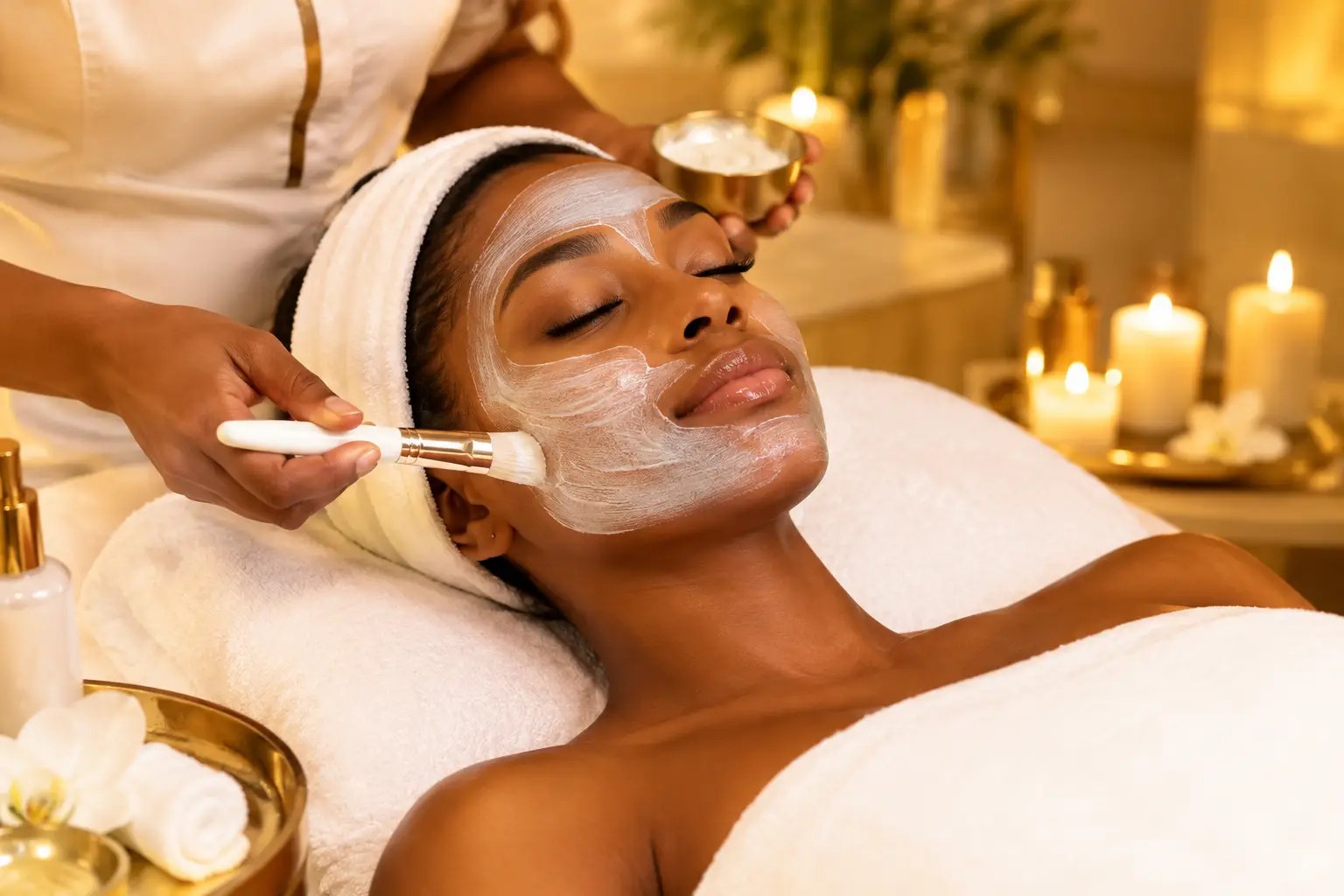
At-home products maintain the work done in professional treatments, while treatments can help address concerns that daily skincare alone may not fully shift. A customized facial can restore hydration and radiance before an event. A series of chemical peels may support clearer, more even-looking skin when paired with appropriate aftercare. Massage and wellness services can also provide the reset that shows up in more than your complexion.
At Mink Total Medical Spa & Wellness, curated lines including ZO Skin Health, PCA Skin, Clinician Complex, and Fur make it possible to continue a professional approach at home. The ideal recommendation is never simply the most intensive formula. It is the product plan that fits your skin, your treatment schedule, and the time you realistically have for self-care.
Beautiful skin does not require perfection or a 12-step ritual. It asks for thoughtful products, a little patience, and the confidence to let expert guidance replace guesswork.