Best Acne Creams for Adults: What Works?

Adult breakouts have a particular way of arriving at the worst possible moment: before a presentation, a dinner reservation, or a long-awaited weekend away. The search for the best acne creams adults can rely on is not really about finding the strongest product on the shelf. It is about finding thoughtful corrective care that clears congestion without leaving mature, stressed, or sensitive skin feeling stripped.
For many adults, acne is not a simple skincare concern. Hormonal shifts, stress, sleep disruption, travel, friction from masks or workout gear, and an overly aggressive routine can all play a role. The right cream should fit the skin you have now, not the skin you had as a teenager.
What Makes Adult Acne Different
Adult acne often appears along the jawline, chin, cheeks, and lower face. It may look like persistent clogged pores, tender inflamed blemishes, or deeper breakouts that linger long after the surface redness fades. At the same time, adult skin may be managing dehydration, uneven tone, fine lines, or sensitivity.
That combination changes the approach. A drying spot treatment that once seemed effective may now create peeling around the mouth, compromise the skin barrier, and leave dark marks behind. More treatment is not always better. Consistency, formula choice, and proper moisturizing tend to matter more than applying several powerful acne products at once.
The best results usually come from pairing one well-chosen acne treatment with a gentle cleanser, a barrier-supportive moisturizer, and daily sunscreen. This keeps skin comfortable enough to stay with the routine long enough to see a difference.
The Best Acne Creams for Adults Start With the Right Active
There is no single best acne cream for every adult. The active ingredient should match the type of breakout, your level of sensitivity, and the rest of your regimen. A professional skin consultation can make this process far less frustrating, particularly when breakouts coexist with redness, discoloration, or early signs of skin aging.
Benzoyl peroxide for inflamed breakouts
Benzoyl peroxide is a proven option for red, active blemishes and acne that tends to become inflamed. It helps reduce acne-causing bacteria and can be especially useful for isolated blemishes or persistent breakouts in oily areas.
The trade-off is dryness. Adults who use benzoyl peroxide often do better with a lower-strength formula and measured application rather than treating the entire face aggressively. Apply it to acne-prone zones or individual blemishes, then follow with moisturizer. Keep in mind that it can bleach towels, pillowcases, and clothing.
Salicylic acid for clogged pores and texture
Salicylic acid is oil-soluble, which makes it particularly helpful for blackheads, whiteheads, and congestion that gives the skin a rough, uneven texture. It works inside the pore lining to encourage clearer-looking skin and can be an elegant choice in a lightweight cream, gel, or treatment lotion.
If your skin feels tight after cleansing or reacts easily, begin two to three nights per week rather than every day. Salicylic acid can be highly effective, but frequent exfoliation is not the same as effective exfoliation.
Retinoids for acne and visible skin renewal
Retinoids are among the most valuable ingredients for adults navigating recurring breakouts, clogged pores, and uneven texture. They support cell turnover, helping prevent dead skin cells from building up inside pores. With regular use, they can also improve the look of post-acne marks and fine lines.
Patience is essential. Retinoids can cause temporary dryness, flaking, or irritation when introduced too quickly. Start with a pea-sized amount at night, two evenings each week, and build gradually as tolerated. Skip other exfoliating acids on the same evening until your skin has adjusted. Those who are pregnant, trying to conceive, or breastfeeding should ask their medical provider which acne options are appropriate.
Sulfur and calming ingredients for sensitive skin
Sulfur can be a helpful choice for oily, congested, or reactive skin, especially when stronger actives feel too harsh. It helps absorb excess oil and may reduce the appearance of active blemishes. Modern formulas are often more refined than the sulfur treatments many people remember, though texture and scent still vary.
For skin that becomes irritated easily, look beyond the acne active itself. Niacinamide, ceramides, hyaluronic acid, and soothing botanical ingredients can help a corrective product feel more balanced. Clearer skin should not come at the cost of constant redness and discomfort.
How to Choose a Cream That Fits Your Skin
Start by observing the pattern rather than chasing every new blemish. If most breakouts are small and clogged, a salicylic acid or retinoid-based approach may be more suitable than a heavy spot treatment. If blemishes are red and tender, benzoyl peroxide may deserve a place in the routine. If your skin is dry, sensitive, or showing visible irritation, the first priority may be restoring the barrier before adding a stronger active.
Texture matters, too. Creamier formulas generally suit normal to dry skin or anyone using a retinoid, while gels and lightweight lotions can feel more comfortable on oilier complexions. A non-comedogenic moisturizer is still worthwhile even when skin feels oily. Over-drying can trigger more visible oiliness and make corrective products harder to tolerate.
Be cautious with formulas that promise dramatic overnight results. A single inflamed blemish may look calmer by morning, but a complete acne strategy works on prevention as well as treatment. Give a new product four to eight weeks of consistent use unless your skin develops burning, swelling, hives, or significant irritation.
A Refined Routine for Adult Breakouts
A routine does not need to be complicated to be effective. In the morning, cleanse gently, use a treatment only if it is well tolerated, moisturize, and finish with broad-spectrum SPF. Sunscreen is especially valuable when using exfoliating acids or retinoids because it helps protect skin from additional visible discoloration.
In the evening, remove makeup and sunscreen thoroughly, cleanse without scrubbing, and apply one corrective active. Follow with a moisturizer that supports the skin barrier. Avoid stacking a retinoid, exfoliating acid, benzoyl peroxide, and scrub in one session. That combination can turn a manageable breakout into an irritated, reactive complexion.
If you need to add a second active, alternate nights instead of layering everything together. For example, a retinoid may be used on two or three evenings per week, while a salicylic acid treatment is reserved for separate nights. This slower approach is often more luxurious for the skin and more sustainable for a busy schedule.
Habits That Can Quietly Undermine Acne Care
The product itself is only one part of the equation. Hair products that sit on the forehead or cheeks, unwashed makeup brushes, cell phones, pillowcases, and workout clothing can all contribute to recurring congestion. Picking is another common culprit. It can turn a small blemish into prolonged redness, scarring, or discoloration.
It is also worth reviewing the products around your acne cream. Heavy occlusive balms, fragranced facial oils, and overly rich makeup may not suit every acne-prone complexion. That does not mean oils or rich creams are universally bad. It means a personalized routine should account for where you break out, how your skin feels, and what you apply consistently.
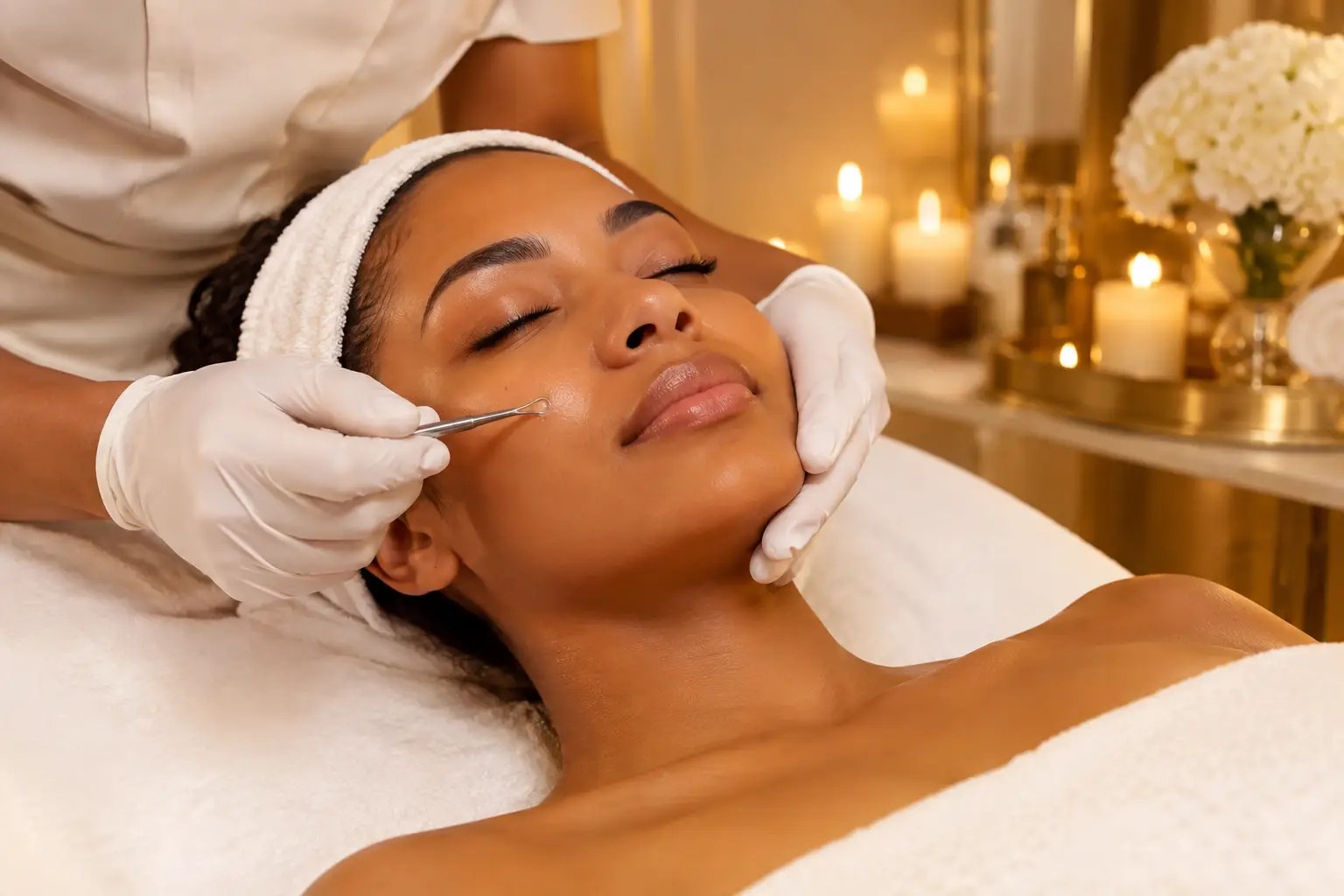
Stress deserves consideration as well. No skincare product can erase a demanding season of life, but regular sleep, movement, hydration, and restorative care can support the skin’s ability to recover. For many professionals, a facial is not simply a luxury. It can be a focused opportunity to reassess the skin, reduce surface buildup safely, and reset an inconsistent at-home routine.
When Professional Guidance Is Worth It
Persistent cystic breakouts, painful acne, sudden changes in the skin, and scarring deserve professional attention. So does acne that has not improved after a thoughtful trial of over-the-counter care. In some cases, a dermatologist may recommend prescription treatment, while a licensed corrective skincare specialist can help refine product selection, support the skin barrier, and plan professional treatments around your goals.
At Mink Total Medical Spa & Wellness, a personalized skin consultation can help distinguish between surface congestion, inflammation, sensitivity, and product-related irritation. This is especially helpful when you want corrective skincare that still feels like a moment of care rather than another stressful item on the to-do list.
Clearer skin is rarely the result of punishing it into submission. Choose an acne cream with a purpose, introduce it slowly, and give your skin the steady, well-supported care it needs to look calmer and more confident over time.