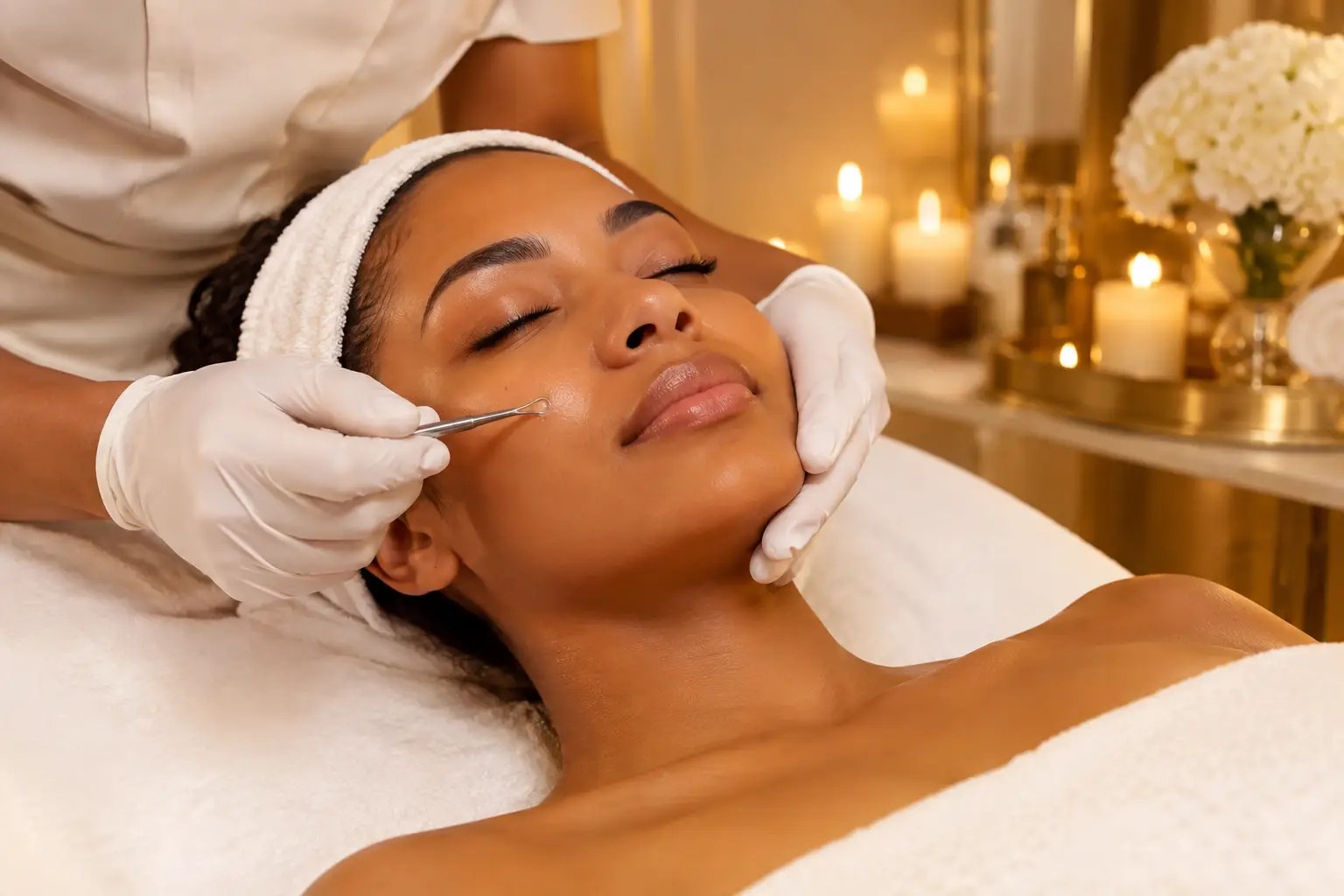
Barrier Repair Skincare Trends Worth Following

Skin that suddenly stings when you apply a longtime favorite serum is not being dramatic. It is often asking for less friction, less intensity, and more support. That is why barrier repair skincare trends have moved far beyond a passing beauty buzzword. For clients balancing Charleston humidity, strong sun exposure, professional treatments, stress, travel, and active skincare, a healthy barrier is the foundation of skin that looks clear, smooth, and comfortably radiant.
Why Barrier Repair Skincare Trends Matter Now
The skin barrier is the outermost layer of the skin, often described as a brick-and-mortar structure. Skin cells are the bricks; lipids such as ceramides, cholesterol, and fatty acids help form the mortar. Together, they help keep hydration in and environmental irritants out.
When that structure is compromised, skin may feel tight, look red or dull, flake around the nose and mouth, break out more easily, or react to products that once felt fine. A damaged barrier can happen after over-exfoliation, aggressive acne routines, retinoid overuse, sun exposure, harsh cleansers, a chemical peel without proper aftercare, or simply a stressful season with too little sleep.
The shift toward barrier-focused care is welcome because it asks a better question than, “What is the strongest product I can use?” It asks, “What does my skin need to function well enough to respond to corrective care?” For many people, the answer is not another active ingredient. It is a thoughtful pause and a more strategic routine.
The Biggest Barrier Repair Skincare Trends
Skin cycling has become skin listening
Early versions of skin cycling divided the week into active nights and recovery nights. The more useful evolution is flexible skin listening. Rather than following a strict calendar, clients learn to adjust based on dryness, sensitivity, climate, and professional treatments.
A retinol night may make sense when skin feels stable and resilient. If the same skin is tight after a beach weekend or a facial treatment, a recovery night with gentle cleansing, hydration, and moisturizer may be the wiser choice. Consistency still matters, but rigid routines do not always respect the skin in front of you.
Fewer actives, used more intentionally
There is a growing appreciation for doing less, better. Layering exfoliating acids, retinoids, vitamin C, spot treatments, and masks can look impressive on a bathroom counter, but it can also create chronic irritation. The goal is not to eliminate corrective ingredients. Acne, hyperpigmentation, texture, and signs of aging can absolutely benefit from expertly selected actives.
The trend is to introduce one meaningful active at a time, use it at an appropriate frequency, and pair it with supportive hydration. This approach makes it easier to identify what is helping, what is irritating, and when skin needs a recovery period. Visible results tend to be more sustainable when the barrier is not under constant stress.
Lipid-rich formulas are taking center stage
Barrier support is no longer limited to thick, basic creams. Modern formulas may combine ceramides, fatty acids, cholesterol, squalane, niacinamide, glycerin, hyaluronic acid, and soothing botanical ingredients in textures that feel elegant under makeup and comfortable in Southern heat.
The best formula depends on your skin. Someone with dry, mature, or sensitized skin may appreciate a richer cream, especially at night. A client who is oily or acne-prone may prefer a lightweight, non-comedogenic moisturizer with humectants and barrier-supportive lipids. Skipping moisturizer because skin is oily can leave it dehydrated and more reactive, which may lead to an even more complicated complexion.
Gentle cleansing is being treated as real skincare
A cleanser should remove sunscreen, makeup, excess oil, and daily buildup without leaving the face squeaky, stripped, or tight. That post-cleanse tightness is not proof that a product worked well. It can be a sign that the formula or cleansing method is too aggressive for your skin.
This matters particularly for clients who use professional-grade retinoids, acne treatments, or exfoliating products. A gentle cleanser creates room for those targeted products to work without adding unnecessary stress. Mink Total carries curated cleanser, toner, and moisturizer options from professional skincare lines including ZO Skin Health, PCA Skin, and Clinician Complex, allowing a routine to be tailored instead of assembled by trend alone.
SPF is now recognized as barrier care
Daily sunscreen is often discussed as an anti-aging essential, and it is. It is also part of barrier preservation. UV exposure contributes to inflammation, dryness, uneven tone, and the breakdown of healthy skin function. In coastal communities, incidental exposure adds up during commutes, walks, outdoor lunches, boating, and weekends near the water.
A broad-spectrum SPF that you enjoy applying is the one most likely to become a habit. Apply it as the final step of your morning routine, and reapply when you are spending extended time outdoors. If sunscreen pills, stings, or leaves your skin feeling congested, it may be time for a different formulation rather than abandoning the step.
When “Barrier Damage” May Be Something Else
Not every flare-up is a compromised barrier. Persistent redness, itching, rash-like bumps, painful acne, or peeling that does not improve with a simplified routine may point to a separate concern, such as rosacea, contact dermatitis, eczema, or a reaction to a particular ingredient. In those moments, adding more soothing products can still worsen the issue if the trigger remains in the routine.
This is where professional guidance brings real value. A corrective skincare specialist can help assess whether your skin needs a gentler home regimen, a change in treatment timing, or referral to a medical provider. The right answer depends on your skin history, current products, medications, and goals. Personalized care is more refined than following a viral routine designed for someone else’s complexion.
A Polished Barrier-Support Routine
For most people, a barrier-conscious routine begins with a gentle cleanser, followed by treatment only when skin can tolerate it, then a suitable moisturizer. Morning care should finish with broad-spectrum SPF. That sounds simple because it is simple, but the details matter: the cleanser’s surfactants, the strength of the active, the texture of the moisturizer, and the sunscreen’s wearability all influence whether you will stay consistent.
At night, consider alternating corrective care with recovery-focused evenings. On recovery nights, cleanse gently, apply a hydrating serum if desired, and seal it in with moisturizer. If you use a retinoid, exfoliating acid, or acne cream, avoid assuming that more frequent use delivers faster results. A measured approach often produces clearer, calmer skin with less interruption.
After chemical peels or other advanced services, follow your provider’s aftercare instructions precisely. This is not the time to experiment with scrubs, potent masks, or a newly purchased active serum. Skin needs protection, hydration, and patience while it renews.
The Luxury of Skin That Feels Comfortable
The most compelling part of this trend is not a single ingredient or a viral product category. It is the return to comfort as a valid skincare goal. Skin does not need to tingle, burn, or peel to be improving. Calm, hydrated skin often reflects the disciplined kind of care that supports long-term clarity, brightness, and smoothness.
If your complexion has started feeling unpredictable, set aside the pressure to fix everything at once. Give it a gentle reset, protect it daily, and seek personalized guidance when you are unsure. A well-supported barrier gives every other step in your skincare routine a better place to work.