Stress Skin Recovery: A Smarter Reset Plan

A suddenly reactive complexion rarely comes from one missed cleanse or a single late night. It often reflects a season of packed calendars, shortened sleep, travel, decision fatigue, and the quiet habit of putting your own care last. Effective stress skin recovery is not about adding every trending serum to the bathroom counter. It is about reducing irritation, supporting the skin barrier, and choosing corrective care that meets your skin where it is now.
For busy professionals, stress can show up as breakouts along the jawline, stubborn dullness, dry patches that sting, deeper under-eye shadows, or skin that seems to reject products it once loved. The answer is usually not a harsher routine. It is a thoughtful reset that gives your complexion fewer reasons to stay inflamed.
Why Stress Changes the Way Your Skin Behaves
Your skin responds to internal stress just as surely as it responds to sun exposure or an aggressive exfoliant. When stress is ongoing, the body may produce more cortisol, which can influence oil production, inflammation, healing, and the strength of the moisture barrier. At the same time, many of the routines that accompany stress can compound the issue: less sleep, more caffeine, inconsistent meals, skipped SPF, makeup left on too long, and the temptation to pick at a breakout before an important meeting.
The result can look different from person to person. Oily or acne-prone skin may become congested and more inflamed. Dry skin may feel tight, flaky, or unusually sensitive. Even balanced skin can lose its clarity and smooth texture when recovery time is limited.
There is a trade-off here. Active ingredients can be excellent tools for acne, discoloration, and texture, but pushing strong acids, retinoids, scrubs, and multiple new products onto already reactive skin may prolong the problem. A recovery phase is not abandoning corrective skincare. It is creating the calm foundation that allows corrective products to work more comfortably.
Stress Skin Recovery Starts With the Barrier
Think of the skin barrier as the outer layer that helps hold hydration in and keep external irritants out. When it is compromised, skin can feel dry and oily at the same time, become more prone to redness, or tingle when you apply products that normally feel fine.
For two to four weeks, simplify your approach. Cleanse gently morning and night, use a moisturizer suited to your skin type, and wear broad-spectrum SPF every day. This baseline may sound simple, but consistency is far more valuable than a crowded routine used sporadically.
A cleanser should remove sunscreen, makeup, and daily buildup without leaving your face squeaky or tight. Follow with a moisturizer that supports hydration and comfort. Depending on your skin, that may mean formulas featuring humectants such as hyaluronic acid, barrier-supportive lipids, or calming ingredients that help reduce the feeling of sensitivity.
Daily sunscreen deserves special attention during a stress reset. Skin that is inflamed or healing from blemishes is more vulnerable to visible post-breakout marks, and unprotected sun exposure can make uneven tone linger. A sunscreen you genuinely enjoy applying is the one you are most likely to use before the drive to work, a walk downtown, or an afternoon outside in Charleston’s coastal sun.
Keep Corrective Products, but Lower the Pressure
You do not necessarily need to stop every active ingredient. The right choice depends on what your skin is communicating.
If breakouts are your main concern, a carefully selected acne treatment can remain part of your routine, but use it strategically rather than layering it with exfoliating pads, a retinoid, and a peel at home. Spot treatment or alternating active nights may be enough while your skin settles. If dryness and sensitivity are the concern, pause exfoliation until cleansing and moisturizing no longer cause discomfort.
For discoloration or dull texture, gentler consistency often wins over intensity. Introduce one corrective product at a time and give it room to show whether it is helping. If your skin becomes increasingly red, hot, itchy, or persistently uncomfortable, step back. That is not a sign that the product is “working.” It may be a sign that your barrier needs more support.
Professional-grade options from lines such as ZO Skin Health, PCA Skin, and Clinician Complex can be valuable when they are selected for your current condition rather than your skin type on paper. A product that was ideal during an oily summer may not be the best choice during a stressful, dehydrated season.
A simple morning and evening rhythm
In the morning, cleanse if needed, apply a supportive serum or moisturizer, then finish with SPF. At night, cleanse thoroughly, use one targeted treatment only if your skin is tolerating it well, and seal in moisture with a comfortable moisturizer.
The less glamorous part is the part that makes this work: do it consistently. Leaving products visible on the counter, keeping a gentle cleanser in your gym bag, and applying moisturizer immediately after cleansing can make a greater difference than chasing a complicated 10-step routine.
Give Your Skin a Professional Reset When It Needs One
At-home care creates the daily foundation, but professional treatment can be especially helpful when stress has left your skin congested, lackluster, sensitive, or difficult to manage. A skin consultation provides the perspective that online advice cannot: an experienced look at your current barrier condition, breakout pattern, lifestyle, product use, and goals.
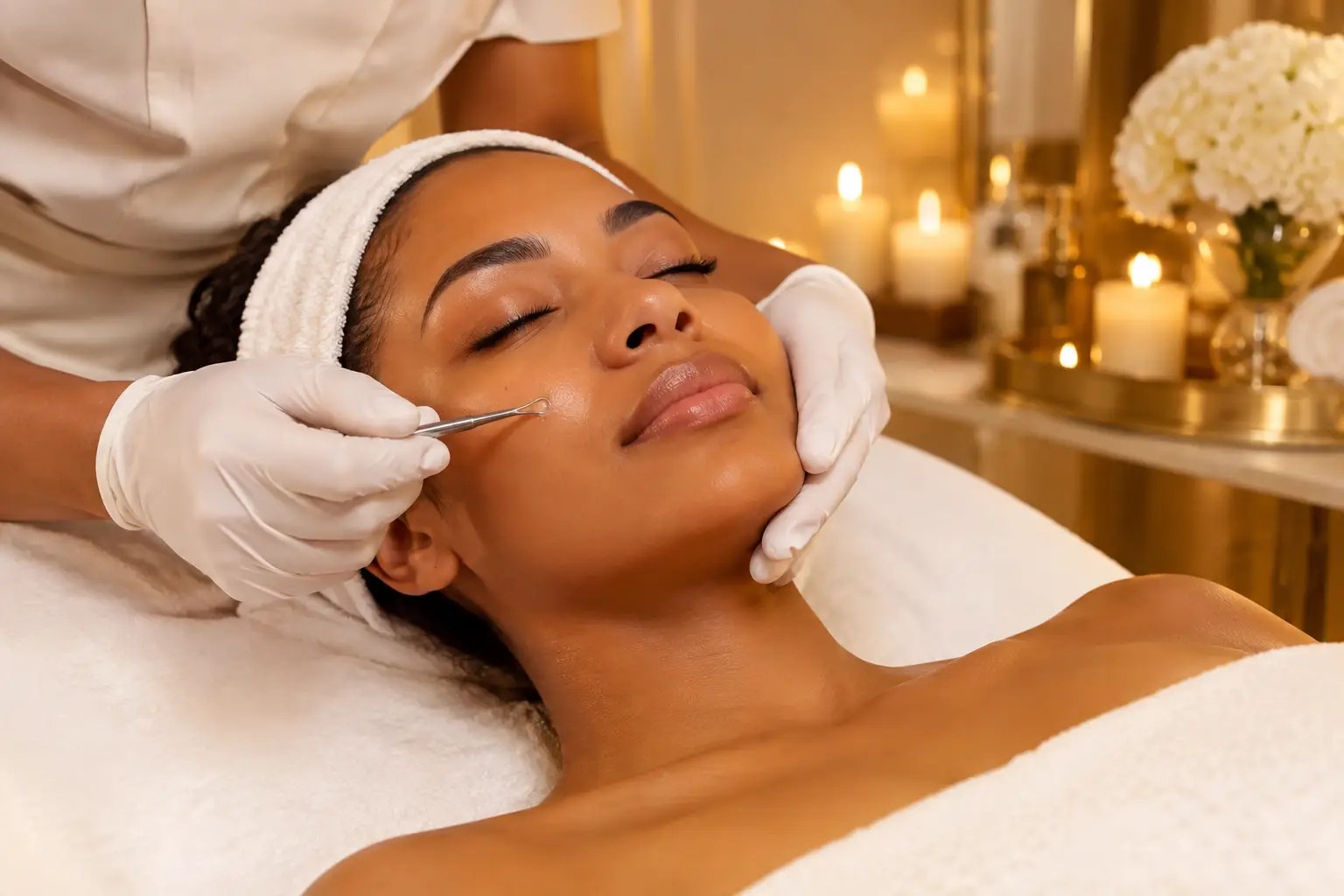
A customized spa facial can offer the quiet reset many high-functioning clients need. The benefit is not only the visible polish that comes from thorough cleansing, appropriate exfoliation, hydration, and calming mask therapy. It is also the uninterrupted time to let your nervous system come down a notch. When your schedule has made self-care feel optional, an appointment creates space for it again.
For concerns such as acne, uneven texture, and discoloration, chemical peels can be an effective part of a corrective plan. Timing matters. A peel is not always the right first step if your skin is actively irritated, over-exfoliated, or compromised. A skilled aesthetician can determine when a gentle approach, a barrier-focused facial, or a more targeted peel best supports your goals. Proper aftercare, including sun protection and the right moisturizer, protects the investment you have made in your skin.
Massage therapy also has a place in a recovery plan, particularly when tension, poor sleep, and a constantly activated schedule are part of the picture. It will not replace an acne treatment, but it can support the restoration that your entire body has been asking for. Skincare and wellness do not need to live in separate appointments.
The Habits That Quietly Affect Your Complexion
A polished routine will have limits if every other part of life is working against it. You do not need a perfect lifestyle to see progress, but a few grounded adjustments can help your skin regain equilibrium.
Prioritize sleep where possible, especially after professional treatments or a breakout flare. Keep your hands away from active blemishes, even when the urge to inspect them in magnifying light is strong. Change pillowcases regularly, clean makeup brushes, and remove makeup before bed. These are small actions, yet they reduce the repeated friction and buildup that can keep stressed skin unsettled.
Be honest about what “healthy” means for your schedule. For one person, it may be a nightly skincare ritual with soft lighting and five uninterrupted minutes. For another, it may be a streamlined three-product routine that happens reliably before an early commute. The most luxurious routine is the one that feels sustainable, not the one that takes the longest.
When to Ask for More Guidance
If acne is painful, cystic, scarring, or not improving with appropriate professional skincare, consider speaking with a dermatologist. Likewise, persistent rash-like irritation, swelling, hives, or severe itching deserves medical evaluation rather than more product experimentation. Spa care can beautifully support skin health and confidence, but knowing when a concern needs medical diagnosis is part of responsible skincare.
For the rest of us, recovery is often a return to discernment: less panic-buying, less scrubbing, and more attentive care. At Mink Total Medical Spa & Wellness, a personalized consultation can help turn that reset into a routine that feels restorative, refined, and realistic long after the stressful season passes.
Your skin does not need punishment for showing the effects of a demanding life. Give it steady care, professional support when needed, and enough room to recover.