Spa Facials for Skin That Needs More Than a Mask
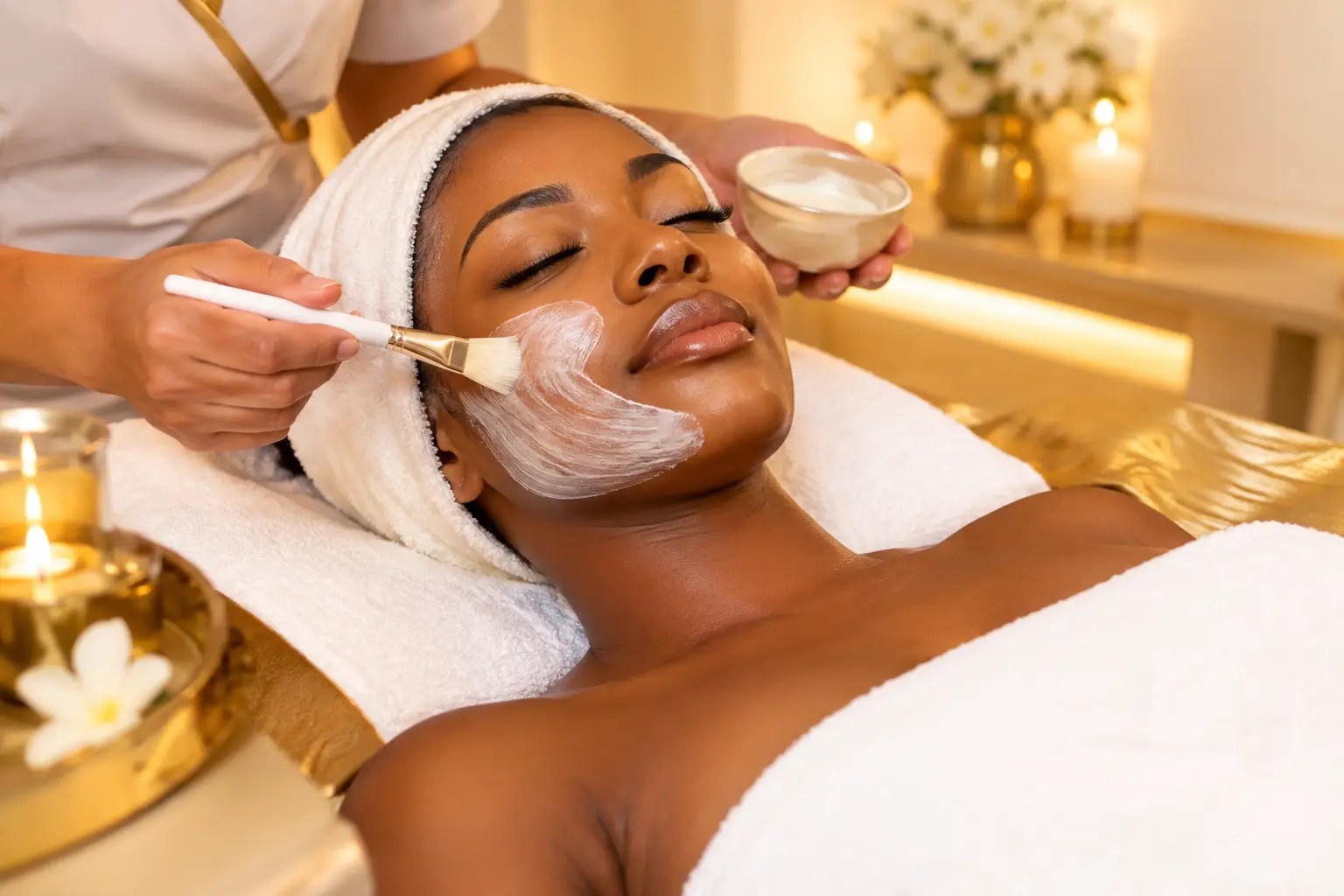
Your skin often tells the truth before you do. A suddenly dull complexion, stubborn congestion along the jawline, dry patches that ignore your usual moisturizer, or makeup that no longer sits smoothly can all be signs that your skin needs more than a quick mask at home. Spa facials offer dedicated time for professional assessment, corrective care, and the kind of relaxation that busy schedules rarely leave room for.
A well-designed facial is not simply about leaving with a temporary glow. It is an opportunity to understand what your skin is responding to, what may be aggravating it, and how to support it with treatments and home care that make sense for your goals.
What Makes Spa Facials Different?
The difference is personalization. A professional facial should begin with an assessment of your skin’s current condition, not assumptions based on a label such as dry, oily, or sensitive. Skin can be dehydrated and oily at the same time. It can be acne-prone yet feel tight and irritated from overly aggressive products. Seasonal humidity, stress, travel, hormones, medications, and even a new workout routine can change what your complexion needs.
During spa facials, your aesthetician can adjust the treatment approach around those realities. That may mean prioritizing gentle exfoliation and hydration for lackluster skin, focused extractions for congestion, calming ingredients for visible redness, or corrective products that support clearer pores without stripping the skin barrier.
The experience matters, too. A facial creates a quiet, intentional pause from constant notifications, meetings, and responsibilities. Massage techniques, warm towels, and carefully selected products help the body settle while the skin receives professional attention. The visible results are valuable, but so is walking out feeling rested rather than rushed.
A Facial Is Not One-Size-Fits-All
The most effective facial is rarely the most intense one. It is the one that respects your skin’s condition on that particular day.
For dryness, dehydration, and a depleted glow
Dry skin lacks oil, while dehydrated skin lacks water. The two can overlap, but they are not identical, and the treatment plan should reflect that. A facial for this concern may focus on gentle cleansing, light exfoliation to remove surface buildup, hydrating serums, barrier-supportive moisturizers, and a replenishing mask.
This approach can be especially helpful after coastal sun exposure, air travel, seasonal shifts, or a period of using stronger active ingredients. At home, the goal is to preserve the results with a non-stripping cleanser, moisturizer appropriate for your skin type, and daily SPF. A serum with hydrating ingredients may also be useful, but more products are not always better when the barrier is compromised.
For congestion and acne-prone skin
Congested skin needs patience and precision. Blackheads, closed comedones, and recurring blemishes can tempt people into scrubbing harder or using multiple drying spot treatments. Unfortunately, irritation can make an already reactive complexion more difficult to manage.
A corrective facial may include professional extractions when appropriate, pore-clearing exfoliation, and products selected for acne-prone skin. The right cadence depends on the severity and consistency of breakouts, as well as your home routine. Someone with occasional congestion may benefit from periodic maintenance, while persistent acne often requires a more structured plan with professional treatments and carefully chosen retail skincare.
For clients working toward clearer skin, consistency matters more than chasing every new product launch. Face Reality and PCA Skin options can be valuable additions when recommended for your individual skin condition, particularly when your routine needs targeted support rather than another generic acne wash.
For sensitivity, redness, or an overworked skin barrier
Skin that stings, flakes, flushes easily, or reacts to familiar products is asking for less intensity, not more. A calming facial can focus on gentle cleansing, soothing ingredients, hydration, and barrier support while avoiding unnecessary friction and overly strong exfoliation.
This is also a moment to review your home routine honestly. Retinol, acids, exfoliating pads, scrubs, and acne treatments may all have a place, but layering too many active ingredients can create a cycle of irritation. An aesthetician can help you identify where to simplify and when it may be appropriate to reintroduce corrective products.
For uneven tone and early signs of aging
Dullness, fine lines, uneven tone, and a loss of firmness are common concerns, particularly when sun exposure and a full calendar leave little recovery time. Facials can support a brighter, smoother-looking complexion with appropriate exfoliation, antioxidant-rich products, hydration, and massage techniques that encourage a refreshed appearance.
For more significant discoloration, texture concerns, or photoaging, a facial may be part of a larger corrective plan that includes professional peels and disciplined home care. The trade-off is that more active treatments can require downtime, careful aftercare, and a serious commitment to sun protection. There is no benefit in pursuing correction if daily SPF is optional.
What to Expect From Your Appointment
A thoughtful facial begins with a conversation. Share what has changed in your skin, what you are currently using, whether you have had recent treatments, and what matters most to you. If you are preparing for an event, mention the date. If your skin has been reactive, say so before exfoliation or extractions begin.
Your aesthetician should then tailor the service using appropriate cleansing, exfoliation, extractions if needed, treatment masks, serums, moisturizers, and SPF. Some clients want a deeply restorative experience with minimal correction. Others want a results-focused service that targets stubborn congestion or uneven texture. Both are valid, but they call for different choices.
Afterward, your skin may look immediately brighter and feel smoother, especially when surface buildup and dehydration were contributing to dullness. If extractions or active exfoliation were part of the service, mild temporary redness can occur. Plan accordingly before an important event, and avoid scheduling your first intensive treatment the day before photographs or a wedding.
How Often Should You Book a Facial?
For many people, a facial every four to six weeks aligns well with the skin’s natural renewal cycle. That timing can be useful for maintaining hydration, managing congestion, and adjusting products as the seasons change. Still, the best schedule depends on your skin goals, budget, treatment history, and how consistent you are at home.
A client focused on relaxation and maintenance may choose a monthly or seasonal facial. Someone managing active acne, significant congestion, or a corrective skincare plan may be advised to come in more regularly for a period of time. On the other hand, skin that is sensitized from treatments or over-exfoliation may need a gentler approach and more time between services.
Think of professional care as a partnership with your routine, not a replacement for it. One excellent facial can make skin look and feel renewed. Lasting improvement comes from supporting that work with the right cleanser, treatment products, moisturizer, and broad-spectrum SPF between appointments.
Make the Results Last at Home
The products used after a facial matter because they determine how your skin responds in the days that follow. Keep your routine simple for at least a day or two if your skin has been exfoliated or treated with extractions. Avoid experimenting with new acids, scrubs, or strong retinoids immediately afterward unless your aesthetician has specifically advised otherwise.
Your core routine should be dependable: cleanse without stripping, use treatment products suited to your concerns, moisturize according to your skin’s needs, and apply SPF every morning. A targeted eye cream, acne treatment, or corrective serum can be helpful, but only when it fits into a balanced regimen. Skincare should feel considered, not like a crowded bathroom counter.
At Mink Total Medical Spa & Wellness, a personalized facial can be paired with professional guidance on retail skincare, so the care you receive in the treatment room has a clear place in your daily routine. For clients outside the Charleston area, curated skincare products are also available for nationwide shipping.
The best time to book a facial is not only before a special occasion. It can be when your skin feels off, when stress is showing up in the mirror, or when you are ready to replace guesswork with professional care. A little time set aside for your skin can become a reliable way to look polished, feel restored, and return to your routine with a clearer sense of what your complexion truly needs.