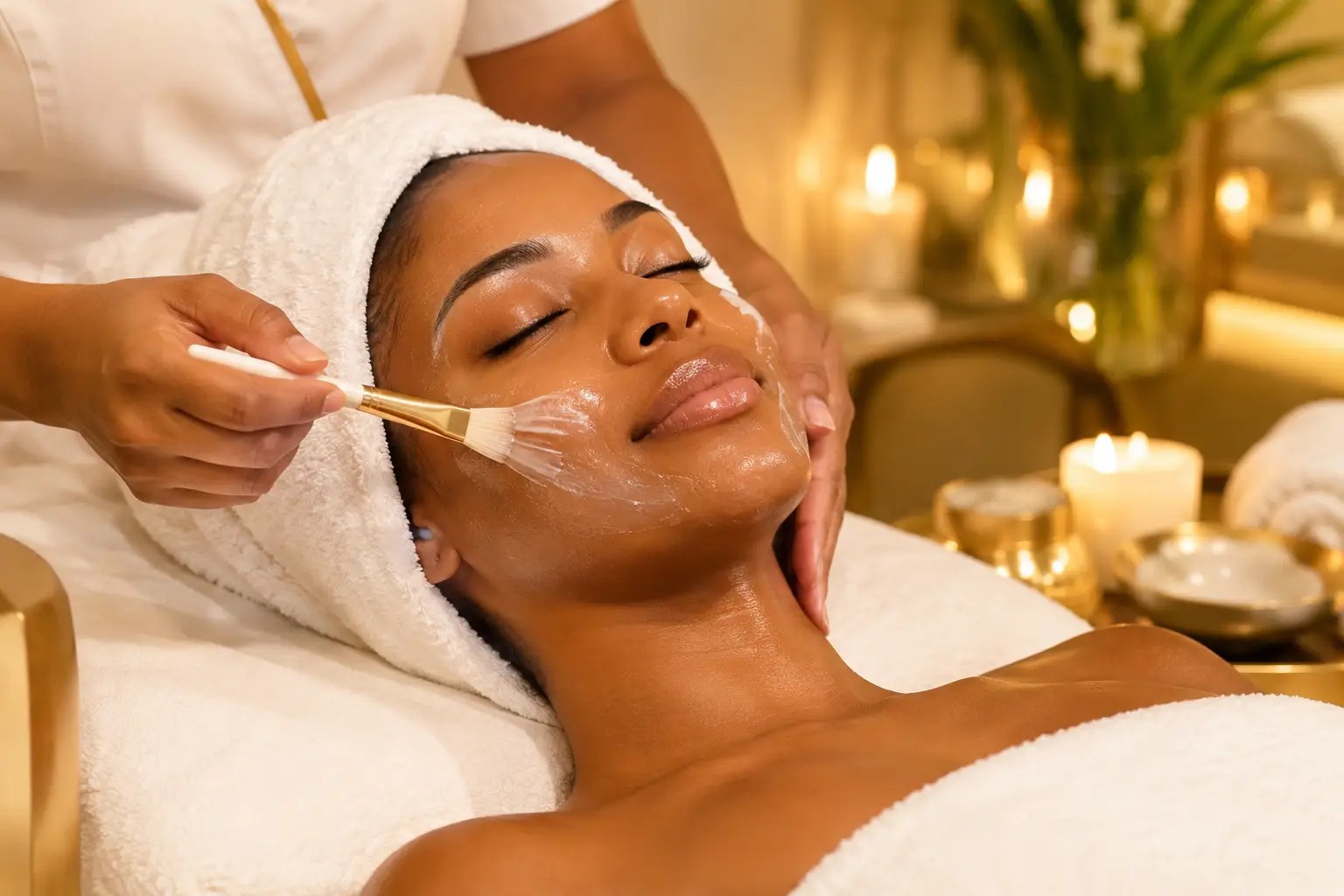
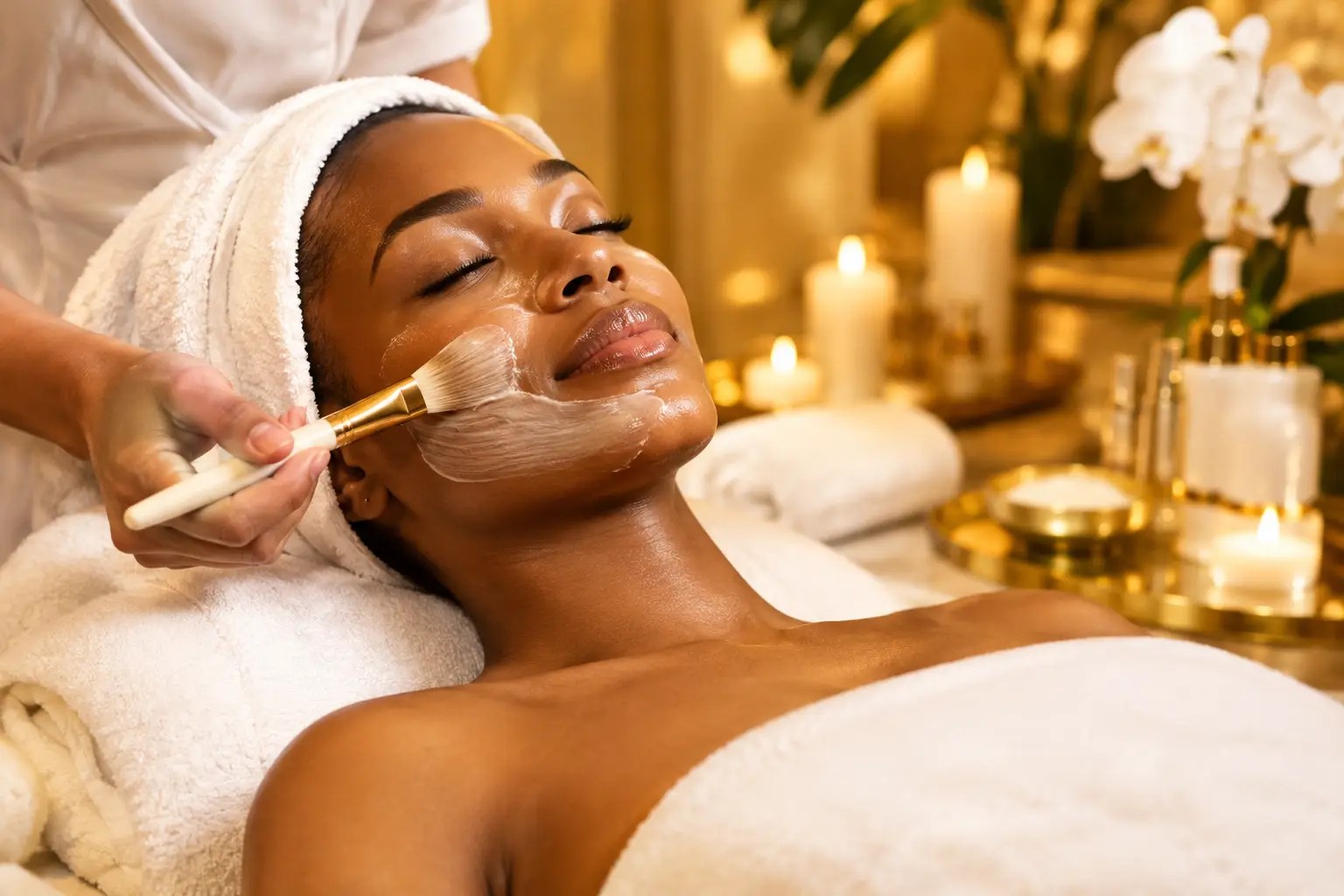
How to Prepare for a Facial Without Overdoing It
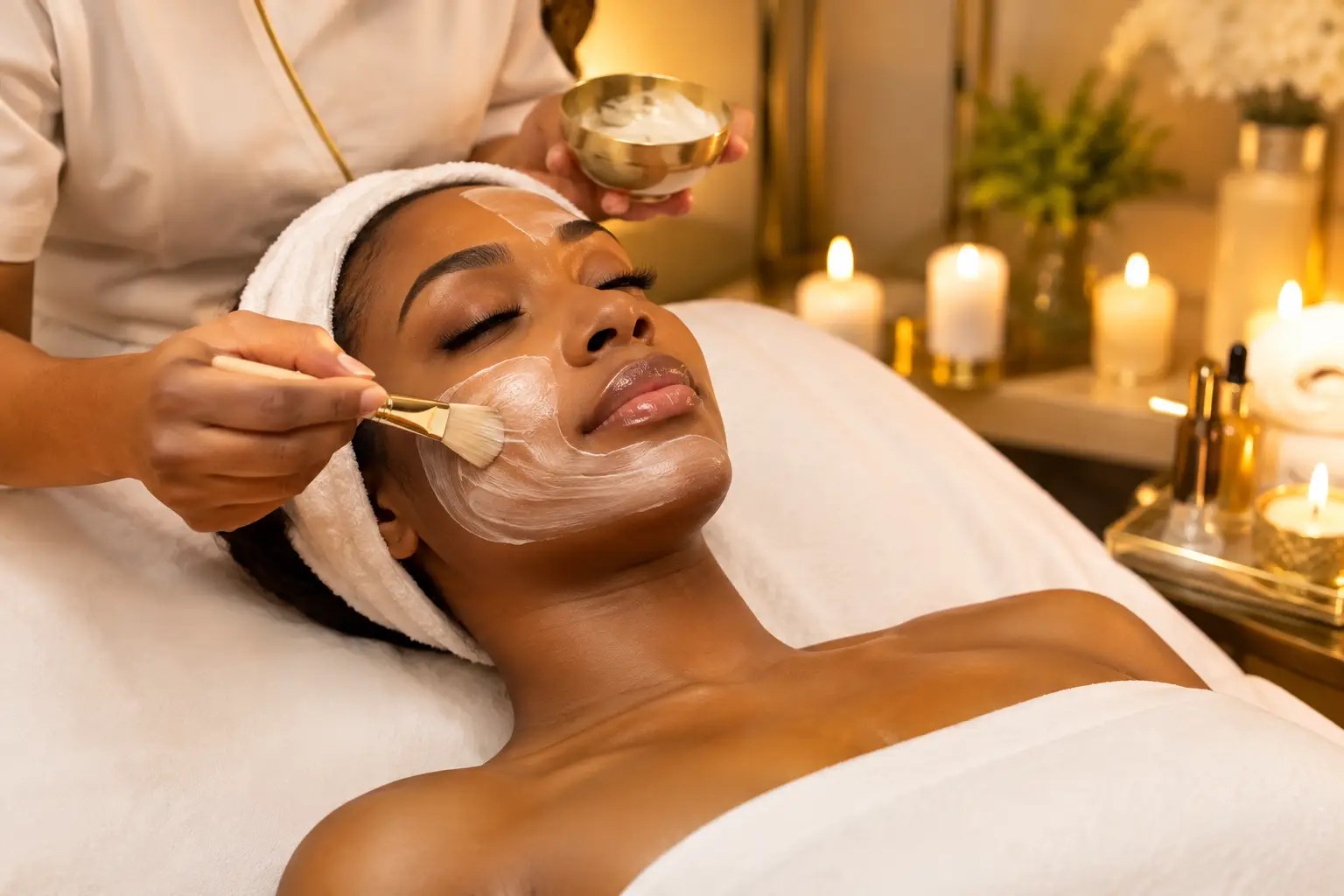
Your facial should not begin with a last-minute scrub, a new serum, or an ambitious at-home peel. Knowing how to prepare for a facial is less about doing more and more about arriving with calm, comfortable skin that your esthetician can assess accurately. A few thoughtful choices in the days before your appointment can help protect your skin barrier, reduce avoidable sensitivity, and give your treatment the best possible starting point.
How to Prepare for a Facial in the Week Before
Start by keeping your routine consistent. This is not the week to test a strong exfoliating mask, switch to a new active serum, or decide whether your skin can handle a trending DIY treatment. Even if a product usually works well for you, layering several active ingredients can leave skin dehydrated, irritated, or unexpectedly reactive by the time you arrive.
If you use prescription acne treatments, retinoids, exfoliating acids, or benzoyl peroxide, tell your esthetician before your appointment. Depending on the facial you are receiving and how your skin is behaving, you may be advised to pause certain products for several days. The right timing varies by ingredient, skin condition, and treatment plan, so avoid guessing. A corrective facial can be highly effective, but it should be tailored to the skin in front of your provider that day.
This also applies to at-home devices. Put facial brushes, dermaplaning tools, microneedling devices, and strong exfoliating pads aside before your visit. Over-exfoliation does not create a better canvas for a facial. It can cause redness, tightness, flaking, and a weakened barrier that limits which professional treatments are appropriate.
Protect your barrier, not just your glow
Think of the skin barrier as your complexion’s protective outer layer. When it is functioning well, skin tends to tolerate professional exfoliation, extractions, massage, and targeted masks more comfortably. When it is compromised, even gentle products may sting or leave the face feeling hot and dry.
For most clients, a simple routine is ideal in the days leading up to a facial: a gentle cleanser, appropriate moisturizer, and broad-spectrum SPF during the day. If your skin feels dry or tight, prioritize hydration rather than trying to polish away every rough patch. Skin that feels supported generally responds more beautifully than skin that has been pushed too far.
Avoid the Common Pre-Facial Mistakes
Certain activities can make skin more sensitive or create reasons to modify a treatment. You do not need to cancel every plan before a facial, but a little awareness helps your provider make the safest, most effective choices.
Avoid excessive sun exposure and skip tanning, whether outdoors or in a tanning bed. A sunburned or heat-stressed complexion needs recovery, not exfoliation. If you have spent a weekend on the boat, at the beach, or outdoors around Charleston, be honest about it at your appointment. Your esthetician may adjust the service to focus on hydration, calming care, and barrier support.
It is also wise to schedule waxing, laser hair removal, and other hair-removal services with enough space around your facial, especially if your treatment includes exfoliation. Freshly waxed skin can be more vulnerable, while retinoid use can make waxing unsafe for some clients. If you are planning multiple services, ask for guidance when booking so your schedule supports your skin rather than overwhelms it.
If you have an active cold sore, a rash, open skin, a contagious illness, or a significant breakout that feels painful and inflamed, contact the spa before you come in. Rescheduling or adjusting care is not a setback. It is a professional decision that protects your comfort and allows your skin to receive the right attention at the right time.
The Night Before Your Appointment
The night before, cleanse gently and use your usual moisturizer. Do not exfoliate just because you want to arrive extra clean. Your esthetician will cleanse your skin thoroughly as part of the service, and a healthy natural balance of oils offers useful information about what your complexion needs.
Get a solid night’s rest if you can. Sleep will not erase every visible concern, but dehydration, stress, and fatigue often show up as dullness, puffiness, sensitivity, and slower recovery. Drink water throughout the day and evening as well. Hydration supports overall wellness, though it is not a substitute for a well-formulated moisturizer or a personalized skincare plan.
If your facial includes a special occasion goal, such as a wedding, photos, vacation, or important meeting, give yourself room. A relaxing, hydrating facial may be suitable close to an event, while extractions, chemical exfoliation, or a new corrective treatment can leave some people temporarily pink or slightly flaky. For major events, begin professional care weeks or months ahead whenever possible. Results-driven skin maintenance is usually more graceful than a single last-minute appointment.
What to Do the Day of Your Facial
Come as you are. You may wear makeup if your day requires it, although arriving makeup-free can make the check-in process a little easier. Either way, your skin will be properly cleansed before the treatment begins.
Wear comfortable clothing, particularly if your facial includes neck, shoulder, scalp, or décolleté massage. A facial is an opportunity to step out of the constant pace of work, errands, and responsibilities. Give yourself permission to arrive a few minutes early, silence notifications, and let the appointment be restorative as well as corrective.
You do not need to bring every product in your bathroom cabinet, but photos of labels can be helpful if you are unsure about what you use. Be ready to share details about your current routine, medications, allergies, recent procedures, skin concerns, and desired outcomes. Clear communication helps your esthetician distinguish between temporary dehydration, persistent sensitivity, congestion, acne, pigmentation concerns, and other issues that can look similar at first glance.
Be especially direct about these four details:
- Prescription topical treatments or oral medications
- Recent injectables, laser services, waxing, or chemical peels
- A history of sensitivity, eczema, rosacea, or reactions to products
- Your timeline for a special event or upcoming travel
There is no need to minimize a concern out of embarrassment. Acne, blackheads, texture, and stress-related changes are part of real skin. An experienced provider needs the full picture to recommend care that is both luxurious and appropriate.
Plan for Your Aftercare Before You Leave Home
A smart preparation step is thinking ahead to the evening after your facial. You may want to avoid intense workouts, saunas, steam rooms, hot yoga, and heavy makeup for the rest of the day, particularly after extractions, a peel, or a more active corrective treatment. Heat and sweat can aggravate freshly treated skin, while a full face of makeup can be less comfortable on skin that needs time to settle.
Set out a clean pillowcase and keep your evening skincare simple. Your provider may recommend specific products based on your treatment, including a gentle cleanser, recovery-focused moisturizer, sunscreen, or chemical peel aftercare. Follow those instructions rather than returning immediately to your usual lineup of acids and retinoids. More activity is not always better activity.
For clients who want to maintain results between visits, retail skincare should be chosen with the same intention as the facial itself. A professional recommendation can help you avoid buying products that duplicate active ingredients, conflict with your treatment plan, or add unnecessary irritation. At Mink Total Medical Spa & Wellness, curated options from professional-grade lines can support a home routine designed around your skin’s actual needs, not a one-size-fits-all trend.
A Facial Works Best as a Conversation
The most valuable preparation is arriving open to a personalized plan. You may book a facial hoping for brightening, then discover that calming inflammation and restoring hydration should come first. Or you may want a relaxing escape while your esthetician notices congestion that can be addressed gradually without over-treating the skin.
Both approaches have a place. Some appointments are about deep relaxation and replenishment; others are designed around clearer pores, smoother texture, acne support, or visible corrective progress. Your skin’s condition, your tolerance for downtime, and your goals determine the right balance.
Give your complexion a quiet week, share the full story, and leave room for expert guidance. That is how a facial becomes more than an hour of pampering: it becomes a considered reset for skin that looks cared for and feels genuinely comfortable.