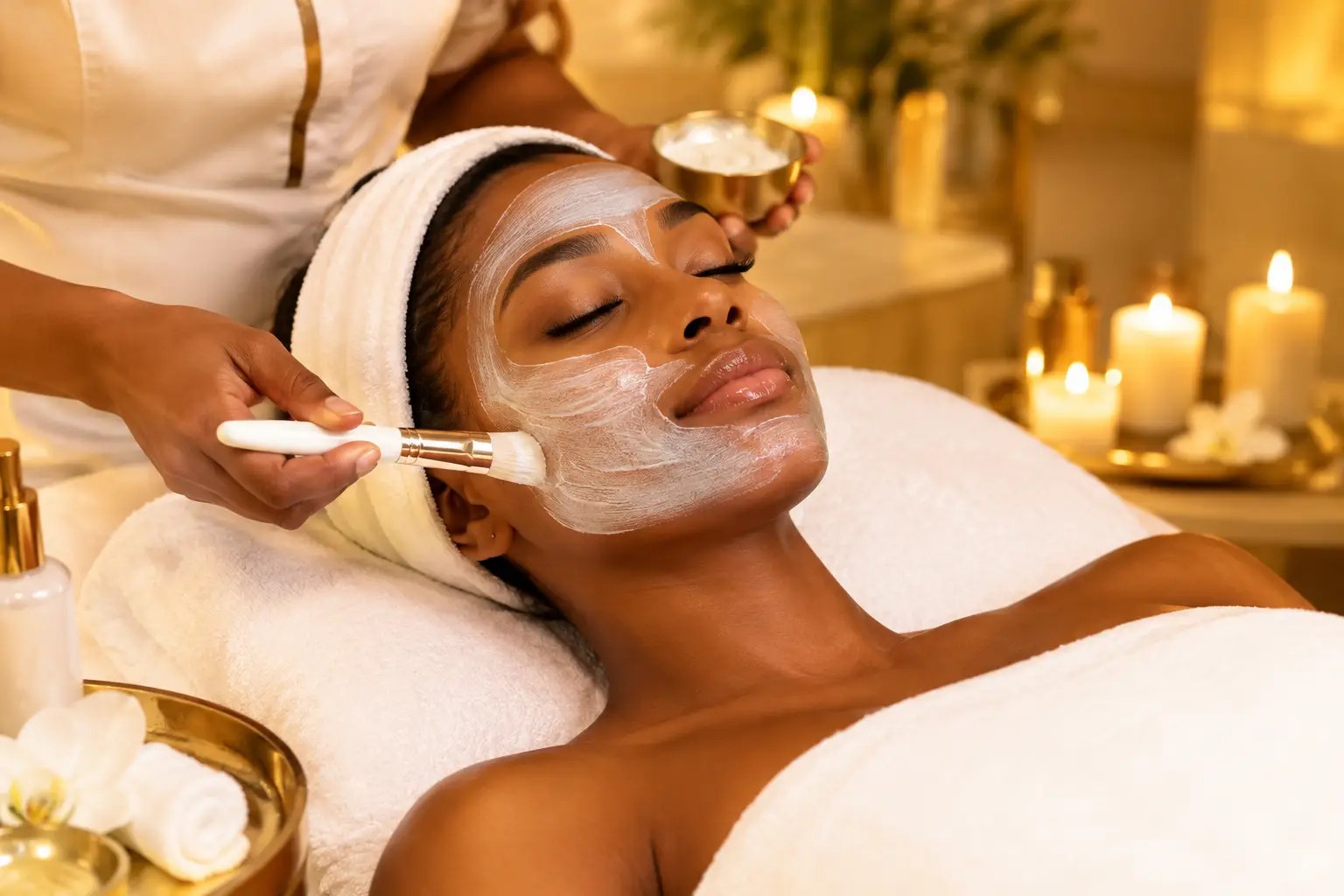
A Guide to Professional Facial Extractions
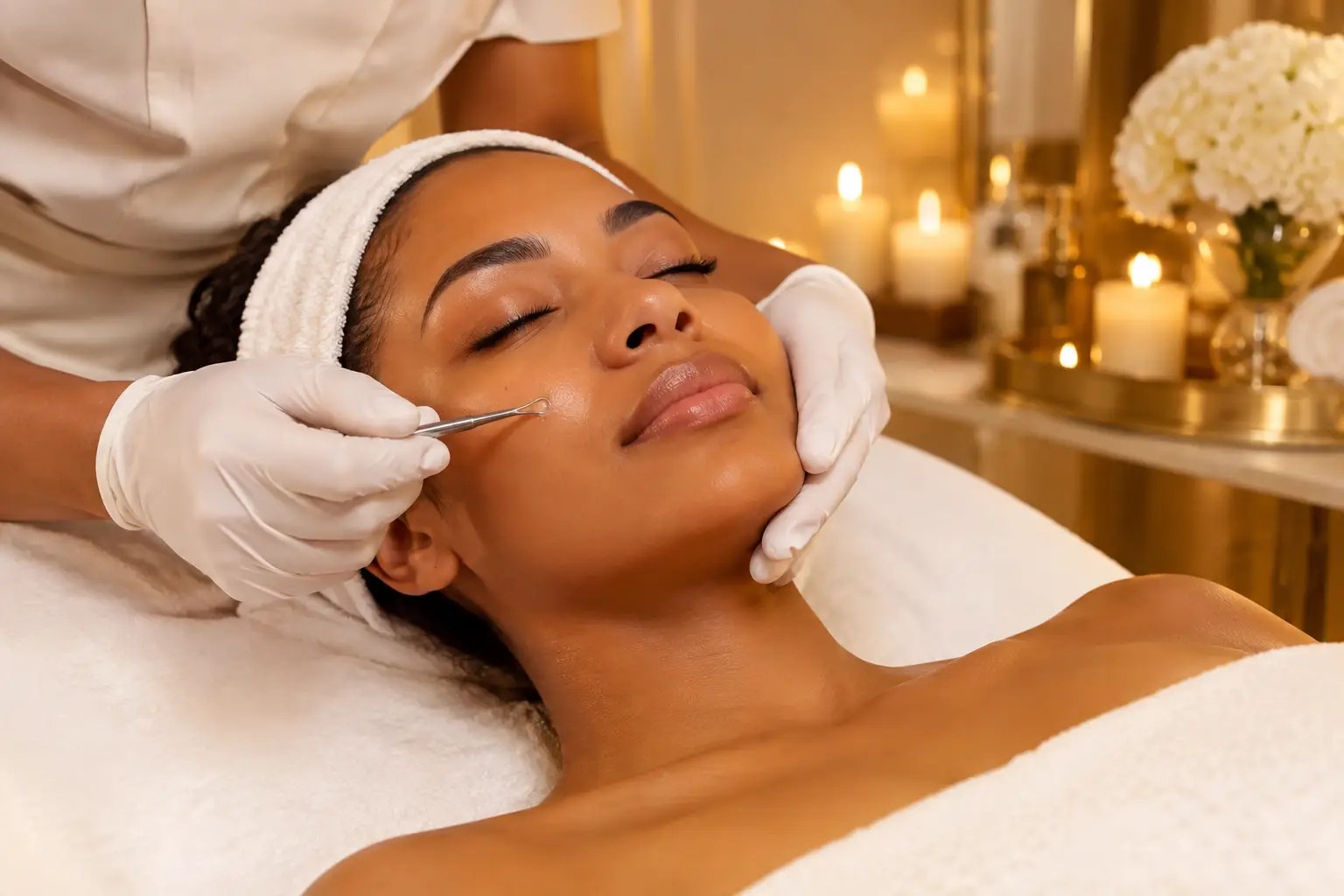
A guide to professional facial extractions begins with one reassuring truth: clear skin should never require you to leave a treatment feeling scraped, swollen, or ashamed. When performed thoughtfully by a trained aesthetician, extractions are a precise part of corrective facial care – not a painful guessing game. They can help clear congested pores while preserving the comfort, calm, and healthy function of your skin.
For busy clients balancing work, events, travel, and the everyday stress that can show up on the complexion, professional extractions offer a more refined alternative to picking at home. The goal is not to force every clogged pore to empty in one appointment. The goal is cleaner-looking skin with less inflammation, a more supportive treatment plan, and results that continue after you leave the spa.
What Professional Facial Extractions Actually Do
Facial extractions are the careful removal of pore blockages, most commonly blackheads and closed comedones. Blackheads are open pores in which oil and dead skin cells have oxidized at the surface, creating a darker appearance. Closed comedones are small, skin-colored bumps where that material remains beneath a closed pore opening.
During a professional facial, an aesthetician first evaluates what is present and whether the skin is ready for extraction. Proper cleansing, exfoliation, and softening steps help loosen congestion so less pressure is needed. Extractions may be performed manually with protected fingers, sterile gauze, or a sanitized professional tool, depending on the area and the type of congestion.
This distinction matters. A pore that is ready to release should respond with controlled, gentle pressure. A lesion that is deeply inflamed, painful, or resistant is not a candidate for repeated squeezing. Trying to remove everything can create unnecessary trauma, prolong redness, and increase the risk of post-inflammatory discoloration or scarring.
Why Professional Extractions Feel Different From DIY Picking
At-home picking often happens close to a mirror, under stress, and without preparation. It is easy to press too hard, use unclean hands, or mistake an inflamed blemish for a simple clogged pore. Even a small amount of repeated pressure can damage the delicate tissue around a pore.
A trained professional works with better visibility, sanitation standards, and an understanding of skin behavior. They can recognize the difference between congestion that may be safely addressed and acne that needs calming, not manipulation. They also know when to stop. That judgment is one of the most valuable parts of the service.
There is also a practical difference in the treatment environment. Steam or warm towels, appropriate exfoliation, and corrective products can make extractions more comfortable and effective. Afterward, soothing masks, hydration, and barrier-supportive ingredients help skin settle rather than feel stripped.
For clients prone to acne, this is especially valuable. Regular professional care can help manage recurring congestion, but it should be paired with a realistic home routine. A single facial may make pores look clearer, yet consistent cleansing, acne-supportive treatment products, and daily SPF are what help maintain that progress between visits.
What to Expect During a Professional Extraction Facial
Your appointment should begin with conversation, not pressure. Your aesthetician may ask about breakouts, sensitivity, current products, prescription medications, recent peels, waxing, or cosmetic procedures. Retinoids, exfoliating acids, and certain acne treatments can change how reactive your skin is, so transparency helps protect your results.
After cleansing and skin analysis, your service may include exfoliation or a gentle enzymatic treatment to prepare the pores. The extraction portion is typically focused on areas where congestion is most visible, such as the nose, chin, forehead, jawline, or cheeks. You may feel brief pressure. Mild discomfort is possible, particularly with stubborn congestion, but sharp pain is not the standard to accept.
A few temporary signs are normal afterward. You may have pinpoint redness, especially around the nose or chin, and skin can look slightly flushed for several hours. For this reason, many clients prefer scheduling extractions several days before a wedding, photoshoot, vacation, or major event rather than the morning of.
The treatment should finish with skin-calming care. Depending on your needs, that may include a hydrating mask, targeted serum, high-frequency treatment, LED light therapy, or a protective moisturizer and sunscreen. The exact combination depends on whether your primary concern is congestion, active acne, dehydration, sensitivity, or early signs of aging.
When Extractions Should Be Limited or Skipped
Not every breakout should be extracted. Cystic acne, deeply inflamed papules, open lesions, sunburned skin, and areas with eczema or severe irritation need a different approach. In some cases, the best treatment is reducing inflammation and strengthening the skin barrier before any extraction is attempted.
Timing matters, too. If you have recently used a strong retinoid, undergone a chemical peel, received laser treatment, or started a prescription acne medication, tell your provider. Your skin may need a gentler facial, or it may need time to recover before exfoliation and extractions are appropriate.
Aftercare That Protects Your Results
The hours after an extraction facial are when restraint pays off. Your pores do not literally open and close, but freshly treated skin can be more vulnerable to irritation. Keep your routine simple and avoid immediately introducing strong actives.
For the rest of the day, skip touching your face, strenuous workouts, saunas, hot yoga, and heavy makeup when possible. Cleanse gently that evening, use a calming moisturizer, and apply sunscreen the following morning. If your aesthetician recommends a targeted acne treatment, follow the instructions closely rather than layering multiple spot treatments at once.
For the next two to three days, pause scrubs, exfoliating pads, strong acids, and retinoids unless your provider advises otherwise. That short reset gives the skin barrier room to recover. A gentle cleanser, hydrating serum, barrier-supportive moisturizer, and broad-spectrum SPF are usually the most elegant post-facial routine.
For acne-prone clients, products from carefully selected professional lines such as Face Reality or PCA Skin can support a plan designed around your specific level of congestion and sensitivity. The right formula depends on your skin, not just the label that promises the fastest result. Over-drying skin can lead to more irritation and, for some people, more visible oil production.
How Often Should You Schedule Extractions?
There is no universal schedule. Someone with occasional blackheads around the nose may only want extractions as part of a seasonal facial or before an event. A client with persistent closed comedones or acne-related congestion may benefit from a more consistent treatment series, often every four to six weeks, alongside a corrective home regimen.
More frequently is not always better. Skin needs time to respond, and aggressive extraction appointments can be counterproductive if the underlying concern is inflammation, hormonal acne, dehydration, or a compromised barrier. Your aesthetician should adjust the plan as your skin changes instead of following a rigid protocol.
At Mink Total Medical Spa & Wellness, a personalized facial can blend corrective skincare expertise with the restorative pace of a luxury spa experience. The best appointment is not simply the one that removes the most congestion. It is the one that leaves your skin cared for, your routine clearer, and your next step confidently within reach.
If you have been trying to solve recurring bumps with your fingertips and frustration, let a professional skin consultation guide the next move. Calm, consistent care is often what helps skin look its most polished over time.


