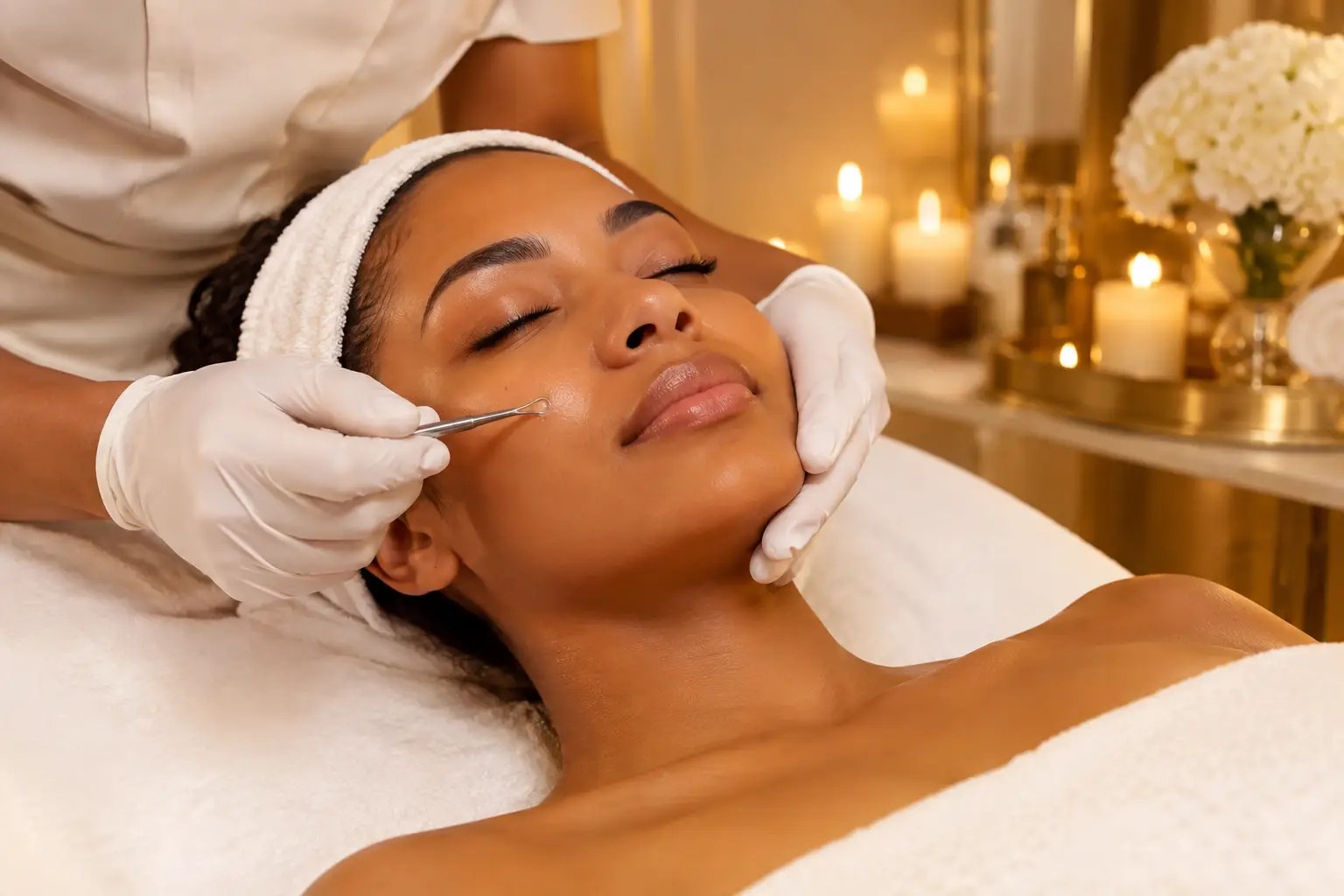
Can Massage Help Stress Headaches? What to Know

A headache that builds behind the eyes after a demanding workday can make even a quiet evening feel out of reach. So, can massage help stress headaches? For many people, yes. Thoughtful therapeutic massage can ease the tight, overworked muscles that often contribute to tension-type headaches while giving the nervous system a chance to settle. It is not a cure for every headache, and it should never replace medical care when symptoms are concerning, but it can be a meaningful part of a stress-relief routine.
Why Stress Headaches Often Start in the Muscles
What many people call a stress headache is often a tension-type headache. It may feel like a steady band of pressure across the forehead, a dull ache at the temples, or discomfort that begins at the base of the skull and travels upward. Unlike a migraine, it is not typically accompanied by severe throbbing, nausea, or heightened sensitivity to light and sound, though every person’s experience can vary.
Stress does more than affect mood. During a deadline, a long commute, an emotionally draining season, or hours of screen time, the body may unconsciously brace itself. Shoulders rise, the jaw clenches, and the muscles through the neck, scalp, and upper back stay contracted longer than they should. Over time, that tension can irritate sensitive tissues and leave the head feeling heavy or achy.
Poor sleep, dehydration, skipped meals, eye strain, and an unergonomic workstation can add to the pattern. This is why a headache that seems to appear “out of nowhere” may actually be the result of several small stressors accumulating over a few days.
Can Massage Help Stress Headaches by Reducing Tension?
Massage can help by addressing the physical side of the stress cycle. A skilled therapist may use measured pressure and slower techniques to relax tight tissue in the upper trapezius, shoulders, neck, and scalp. As those areas soften, clients often notice less pulling around the temples, easier neck movement, and a feeling that their whole body has come down from high alert.
The benefit is not only muscular. Massage in a calm setting can support a relaxation response, encouraging slower breathing and reducing the feeling of being constantly switched on. For busy professionals, this shift matters. A treatment creates a dedicated hour in which there is nothing to answer, manage, or anticipate.
Results depend on the cause and frequency of the headache. If muscle tension and stress are key drivers, massage may offer noticeable relief during or soon after a session. For recurring headaches, regular appointments combined with posture changes, hydration, consistent meals, and sleep support may be more useful than waiting until discomfort becomes intense.
The Areas That Often Need Attention
A stress-headache massage is not simply about pressing hard into the neck. In fact, too much pressure can make guarded muscles tighten further. A personalized treatment often works across connected areas, including the upper back, shoulders, neck, scalp, jaw, and chest.
The chest and front shoulders deserve particular attention for anyone who spends the day at a laptop or looking down at a phone. When these muscles are shortened, the head may drift forward, forcing the muscles at the back of the neck to work harder. Releasing the entire pattern can be more effective than focusing on one sore spot.
If jaw clenching is part of the picture, let your massage therapist know. Gentle work around the jaw, temples, and scalp may be appropriate, while the therapist can also help identify habits that may be contributing to the tension. Internal jaw work is a separate, specialized service and should only be provided by a properly trained professional when appropriate.
What to Expect From a Massage for Stress Headaches
The best massage begins with a brief conversation. Share where the headache begins, how often it occurs, what seems to trigger it, and whether you have a history of migraines, injuries, or medical conditions. Mention if you are currently having a headache, have taken medication, or feel sensitive to pressure.
Your therapist can then tailor the session instead of following a generic routine. Some clients prefer restorative, lighter-pressure work with scalp massage and focused neck care. Others benefit from firmer therapeutic techniques through chronically tight shoulders and upper back muscles. Neither approach is automatically better. The right pressure is the one that feels productive without causing you to brace, hold your breath, or leave sore for days.
Afterward, drink water, eat a balanced meal if you have not eaten recently, and give yourself a few minutes before returning to a packed schedule. A relaxed neck can tighten again quickly if you immediately resume a tense posture at your desk or in the car. Even a short walk, gentle neck movement, or a quieter evening can help extend the effects of the session.
At Mink Total Medical Spa & Wellness, massage is approached as personalized wellness care, not a one-size-fits-all luxury. Your treatment can be adjusted around areas of tension, pressure preferences, and the level of restoration you need that day.
Massage Is Helpful, but It Has Limits
Not every headache is a stress headache. Migraines, sinus conditions, medication overuse, high blood pressure, vision concerns, hormonal changes, and other health issues can cause head pain. Massage may still feel soothing for some people with migraines between episodes, but it can be too stimulating during an active attack, especially if touch, fragrance, or light worsens symptoms.
Seek urgent medical attention for a sudden, severe headache that feels unlike anything you have experienced before. The same is true for headache pain with fever, fainting, confusion, a stiff neck, vision changes, weakness, numbness, trouble speaking, chest pain, or symptoms after a head injury. A new or worsening headache pattern, particularly if it interrupts sleep or becomes frequent, deserves a conversation with a healthcare provider.
You should also let your therapist know about recent surgery, blood-clotting concerns, osteoporosis, pregnancy, skin infections, active inflammation, or any medical diagnosis that may affect massage choices. Professional massage is adaptable, but clear communication helps keep it safe and comfortable.
Simple Ways to Make Massage Results Last Longer
A monthly massage can be a beautiful anchor for self-care, but the moments between appointments shape how your body feels too. Consider your daily habits with curiosity rather than judgment. Are your shoulders lifted while reading emails? Do you clench your jaw while driving? Is your water bottle still full at 4 p.m.?
Try taking a brief posture break every hour. Stand, roll the shoulders slowly, let the arms hang heavy, and take a few unforced breaths. Keep screens near eye level when possible, and use a supportive chair rather than working from the edge of the sofa for long stretches. If you wake with jaw pain or headaches, ask your dentist whether nighttime grinding could be involved.
It also helps to notice your early signals. A mild pull at the base of the skull, a tight jaw, or shoulders that feel close to the ears can be your cue to pause before a full headache develops. A warm shower, a gentle stretch, a glass of water, or a scheduled massage may be more effective at that stage than pushing through until the pain is disruptive.
Choosing Massage as Part of Your Wellness Routine
For stress-related tension, massage is most valuable when it becomes part of a broader plan to care for your body before it demands attention. It offers practical relief, but it also creates space to reconnect with how you are feeling beneath a full calendar and a polished exterior.
If headaches are becoming a regular feature of your week, start by getting clarity on their cause with your healthcare provider. Then, when stress and muscle tension are part of the equation, a tailored massage can be a restorative place to begin – one quiet hour that helps your shoulders drop, your breathing deepen, and your next day feel a little more manageable.