Massage Therapy vs Spa Massage: Which Fits You?

A massage appointment can be an hour of pure exhale, or it can be focused work for the tension that has been living between your shoulders for months. In the conversation around massage therapy vs spa massage, the difference usually comes down to intention: are you seeking targeted support for a physical concern, a restorative escape from a demanding schedule, or a thoughtful blend of both?
The best choice is not always the most intense treatment or the most indulgent one. It is the service that meets you where you are, respects what your body needs that day, and leaves you feeling genuinely better when you return to your life.
Massage Therapy vs Spa Massage: The Real Difference
Massage therapy is an umbrella term for hands-on techniques performed by a trained, licensed massage therapist. Depending on the therapist’s training and your goals, it may include Swedish massage, deep tissue work, trigger-point techniques, stretching, myofascial release, or focused work on areas of tension. A therapeutic massage is often selected to address persistent tightness, limited mobility, postural strain, workout recovery, or stress that is showing up physically.
Spa massage generally describes the overall experience and purpose of the service. The treatment is designed around relaxation, comfort, and sensory restoration, often in a serene setting with soothing music, warm linens, aromatherapy, and unhurried attention. Many spa massages use Swedish-inspired techniques that encourage circulation and calm the nervous system without asking your body to endure intense pressure.
The terms overlap more than many people realize. A licensed massage therapist can provide a deeply relaxing spa massage, and a spa massage can still ease muscular tension. The distinction is not a judgment about quality. It is a question of whether the session is primarily customized around a specific physical complaint or around full-body relaxation and replenishment.
What to Expect From Massage Therapy
A therapeutic session usually begins with a conversation. Your therapist may ask where you feel discomfort, when it started, what movements aggravate it, how much pressure you prefer, and whether you have any health considerations that could affect treatment. This intake helps shape the session rather than applying the same routine to every client.
The work may focus on one or two areas, such as a neck tightened by laptop posture, low back fatigue after travel, or heavy legs after a long week of training. Pressure can range from light to firm, but therapeutic does not automatically mean painful. Productive massage should feel purposeful and tolerable, not like something you need to brace against. Clear communication matters. If you are holding your breath or tensing up, ask for an adjustment.
You may leave feeling looser, more mobile, and aware of patterns your body has been compensating for. With deeper work, mild tenderness can occur for a day or two, particularly if an area was already very tight. Hydration, gentle movement, and a lighter workout schedule can help you ease back into your routine.
What to Expect From a Spa Massage
A spa massage begins with the feeling many busy women rarely give themselves permission to have: nothing is required of you for the next hour. The goal is to settle the mind while the body softens. Long, flowing strokes, gentle kneading, and calming rhythm are often central to the treatment.
This is an especially fitting choice when your stress feels global rather than localized. Perhaps your shoulders are elevated, your sleep has been inconsistent, and even your downtime feels scheduled. A relaxation massage does not need to solve a specific issue to be worthwhile. Lowering physical tension and creating space for your nervous system to settle can be meaningful care in its own right.
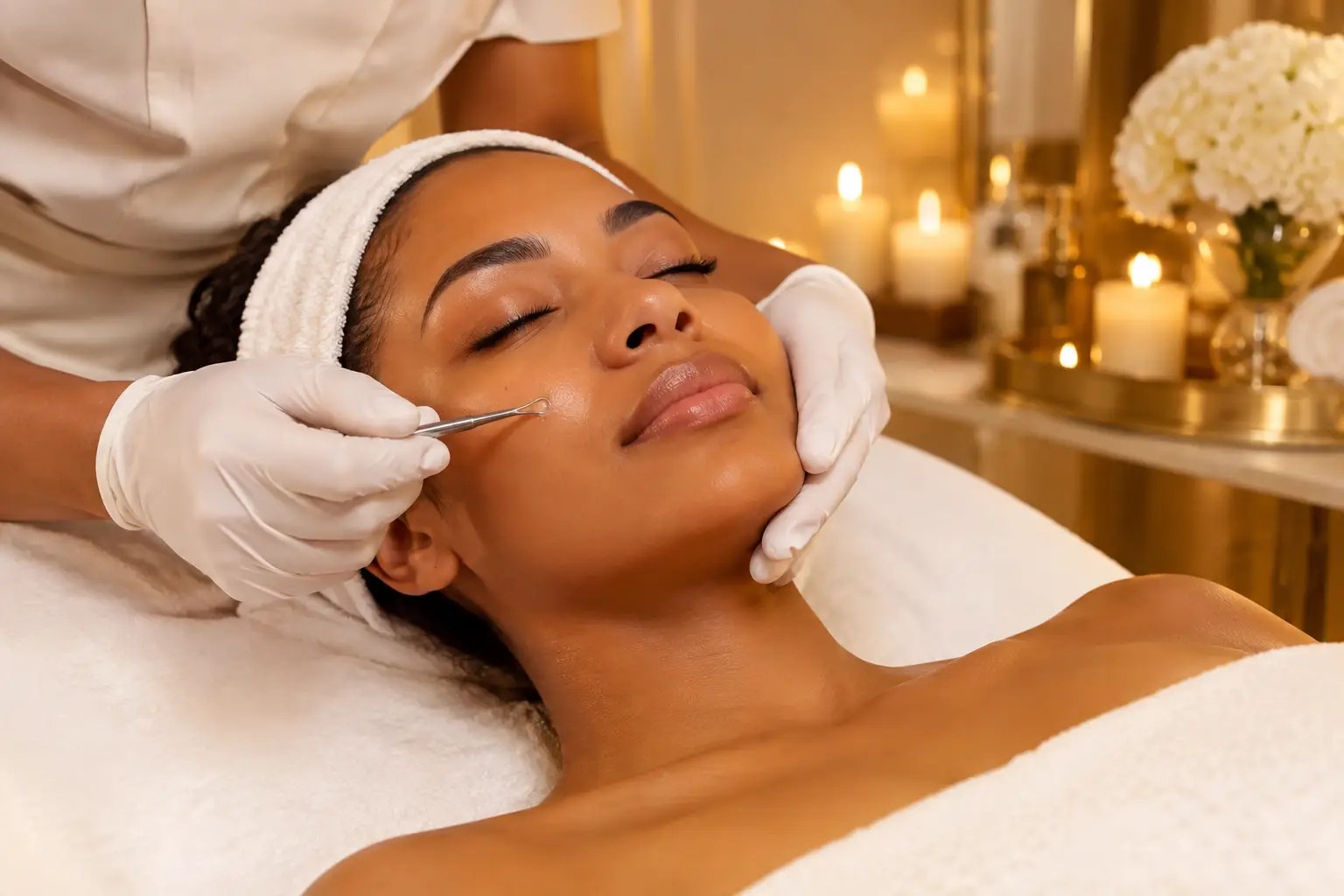
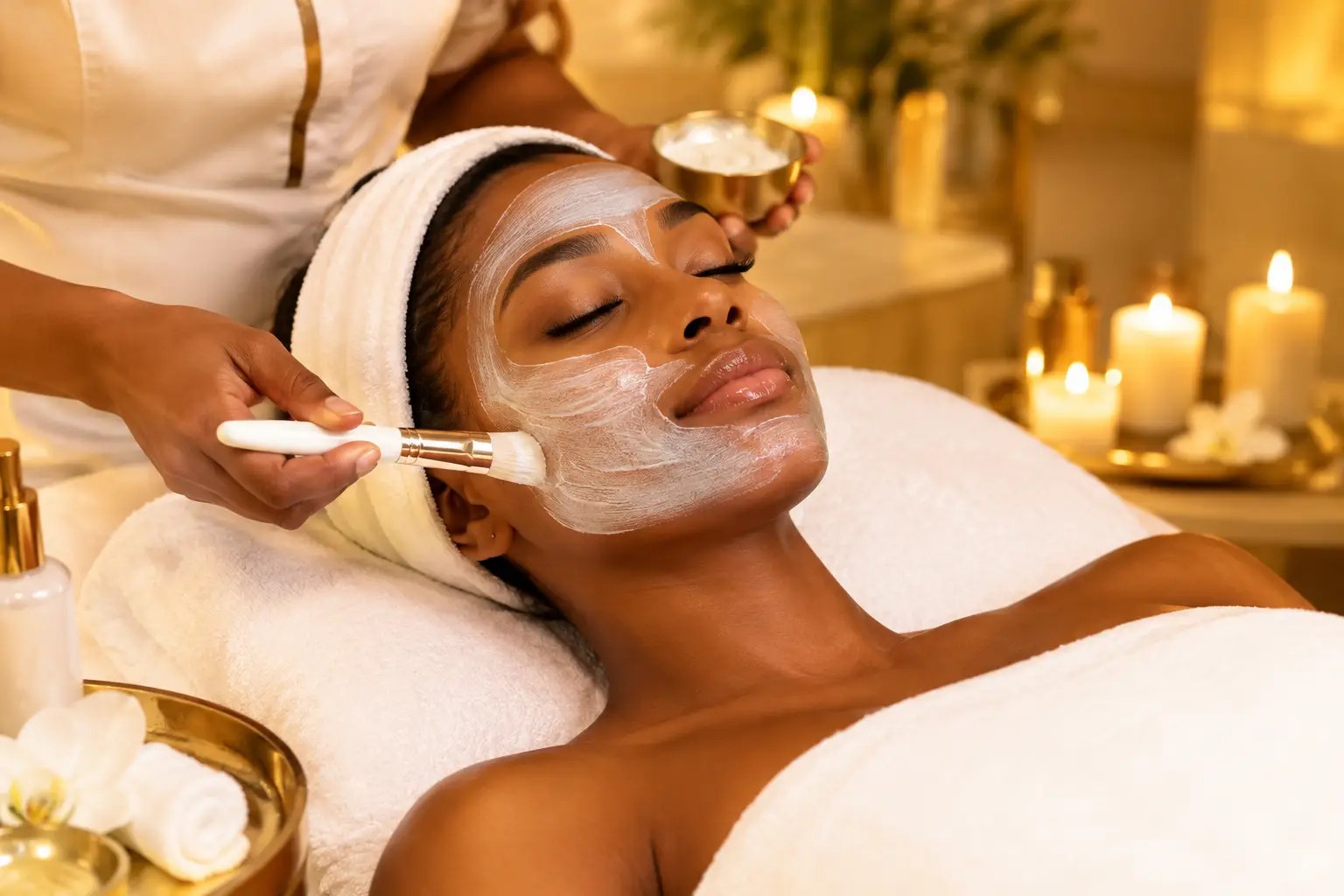
Spa massage can also be a lovely complement to skin and body care. A body treatment or a spa day can pair massage with exfoliation, hydration, or a facial for an experience that feels polished, restorative, and personal rather than rushed.
The Pressure Myth: More Is Not Always Better
One of the most common assumptions is that a massage only “works” if it is deep. In reality, pressure is a tool, not a measure of value. Deep tissue techniques may be appropriate for some people and some areas of the body, but they are not necessary for every concern.
Your muscles may respond better to moderate, sustained pressure and relaxation-focused work, especially when stress, poor sleep, or nervous-system overload are part of the picture. A skilled therapist adjusts pressure, pace, and technique based on your feedback. The result should feel tailored, not performative.
If you enjoy firm pressure but also crave a tranquil spa setting, ask for a customized massage. You do not have to choose between an effective session and an elevated experience. A thoughtful provider can focus on your trouble spots while preserving the calm, nurturing quality that makes massage feel like real self-care.
How to Choose Between Massage Therapy and Spa Massage
Start with the reason you are booking. If you can point to a particular concern, such as recurring neck tension, limited range of motion, soreness after exercise, or discomfort related to long hours at a desk, massage therapy may be the better starting point. Let your therapist know what you are experiencing and what you hope will feel different after the session.
If your priority is to decompress, sleep more soundly, feel cared for, and step away from the constant pull of work and home responsibilities, a spa massage may be exactly right. It is not a lesser version of massage. It is a treatment with a different objective.
Your schedule can also guide the decision. A targeted deep tissue session may leave you wanting a quiet evening and a slower workout the following day. A gentler relaxation massage may be easier to enjoy before a dinner reservation, a weekend event, or a busy workday. There is no universal rule, but planning around how you tend to respond is wise.
When a Blended Approach Makes Sense
Many clients need both. A customized massage might begin with focused work on the upper back and neck, then transition into slower, restorative techniques for the rest of the body. This approach is ideal for the professional who carries stress physically but does not want an appointment that feels clinical or overly intense.
At Mink Total Medical Spa & Wellness, the most valuable massage experience begins with listening. The details matter: whether you have been traveling, training for an event, sitting at a computer, caring for everyone else, or simply feeling overdue for time to reset. Those details help create a treatment that feels considered from the moment you arrive.
When Massage Needs Additional Support
Massage can be a wonderful part of a wellness routine, but it is not a replacement for medical diagnosis or treatment. New, severe, or unexplained pain deserves evaluation by an appropriate healthcare professional. The same is true for numbness, weakness, swelling, fever, a recent injury, or pain that is worsening instead of improving.
Be upfront about pregnancy, recent surgery, blood clotting concerns, blood-thinning medications, active illness, skin conditions, allergies, or any history that may affect your treatment. A reputable provider will modify the service, postpone it when necessary, or encourage medical clearance. That caution is part of personalized care.
Making Your Massage Last Beyond the Appointment
The benefits of massage often feel most noticeable when the appointment is not treated as a once-a-year rescue mission. Regular care can help you notice tension earlier, build a better relationship with your body’s signals, and protect time for restoration before burnout becomes your baseline.
After your session, resist the urge to race immediately into the next obligation. Drink water, take a short walk, choose a nourishing meal, and give yourself a few minutes without your phone if possible. Small choices extend the calm you created in the treatment room.
Whether you choose targeted massage therapy, a luxurious spa massage, or a blend of the two, let the appointment serve a purpose beyond checking self-care off a list. Your body is allowed to receive care that is both effective and deeply restorative.