Best Serums for Uneven Skin, Chosen Wisely

Uneven skin rarely has one simple cause. The dark mark left after a breakout, the patch of sun-related discoloration across the cheekbones, and the roughness that makes makeup sit differently are all forms of unevenness, but they need different support. The best serums for uneven skin are not necessarily the strongest or most expensive. They are the formulas that address your specific concern without overwhelming your skin barrier.
For busy women balancing professional demands, travel, sun exposure, stress, and little time for complicated routines, a well-chosen serum can make daily skincare feel more intentional. The goal is visible correction with a routine you can comfortably maintain, not a crowded shelf of products competing for your skin’s attention.
Start by Defining What “Uneven” Means for Your Skin
Before choosing a brightening or resurfacing serum, look closely at the concern you see in the mirror. Uneven tone usually means discoloration: lingering post-acne marks, sun spots, melasma, or diffuse dullness. Uneven texture can look like rough patches, congestion, enlarged-looking pores, fine lines, or skin that reflects light inconsistently.
These concerns often overlap. Acne can leave both pigment and texture behind, while sun damage can create spots alongside dryness and a loss of smoothness. Still, treating every concern with multiple exfoliating actives at once can lead to irritation, redness, and even more discoloration, especially in melanin-rich skin.
A corrective approach starts with restraint. Choose one primary concern, introduce one targeted serum, and give it time. Most pigment and texture changes require at least eight to twelve weeks of consistent use before results become clear.
The Best Serums for Uneven Skin Depend on the Ingredient
The label matters less than the active ingredients, their concentration, and the formula surrounding them. A beautiful serum should fit comfortably into your routine, layer well under moisturizer and SPF, and leave your skin feeling calm rather than tight.
For dark spots and post-acne marks: vitamin C and pigment-correcting blends
Vitamin C remains a standout ingredient for dullness and uneven tone. It works as an antioxidant, helping defend against environmental stress while supporting a brighter, more radiant appearance over time. L-ascorbic acid is the best-studied form, though it can be more stimulating for sensitive skin. Gentler vitamin C derivatives may be a better starting point if your skin is reactive or prone to stinging.
For stubborn discoloration, look for formulas that pair vitamin C with ingredients such as niacinamide, licorice root, tranexamic acid, kojic acid, alpha arbutin, or azelaic acid. These ingredients work through different pathways involved in pigment production, which is why a thoughtfully blended corrective serum can be more effective than simply using a high percentage of one active.
Azelaic acid deserves particular attention for clients who experience both breakouts and uneven tone. It can support clearer-looking pores, calm visible redness, and help fade the marks acne leaves behind. It is not always the most immediately glamorous ingredient, but it is exceptionally useful for a balanced, corrective routine.
For texture and congestion: retinoids and exfoliating acids
When uneven skin feels rough or looks congested, a retinoid serum may be the right choice. Retinoids encourage skin cell turnover and can help soften the appearance of fine lines, refine texture, and support a more even-looking tone. They are powerful, but patience matters. Start two nights per week, use a pea-sized amount for the full face, and increase only when your skin is comfortable.
Retinoids are not ideal for everyone. They can cause dryness, flaking, or temporary sensitivity during the adjustment period, and they should be avoided during pregnancy unless your medical provider advises otherwise. A nourishing moisturizer is essential when introducing one.
Alpha hydroxy acids, including glycolic, lactic, and mandelic acid, can also improve surface texture and radiance. Glycolic acid tends to be more intensive, while lactic acid is often more hydrating and mandelic acid can be a more approachable option for acne-prone or sensitive skin. Use an exfoliating serum on separate nights from a retinoid unless a skincare professional has specifically guided you otherwise.
For sensitive, stressed, or dehydrated skin: niacinamide and barrier support
Sometimes unevenness is not a pigment problem first. It is a barrier problem. When the skin is dehydrated or irritated, it can look dull, blotchy, rough, and more reactive. In this case, adding stronger acids may make the concern more obvious rather than less.
Niacinamide is a versatile choice for this skin type. It helps support the moisture barrier, can improve the appearance of uneven tone, and may help regulate excess oil without stripping the skin. Serums with hyaluronic acid, glycerin, ceramides, peptides, or soothing botanical extracts can also restore the smooth, cushioned finish that makes skin look naturally more even.
A gentle barrier-support serum is not a lesser option. It can be the smartest first step before beginning any pigment-correcting or resurfacing regimen.
A Better Routine Beats a Stronger Serum
A serum cannot outwork daily UV exposure. If uneven tone is a concern, broad-spectrum SPF 30 or higher is the non-negotiable partner to your treatment serum. Sunlight, even during a quick Charleston commute or a weekend on the water, can deepen existing discoloration and slow the progress you are working for.
In the morning, cleanse gently, apply an antioxidant or pigment-correcting serum, moisturize as needed, and finish with sunscreen. At night, cleanse thoroughly and choose either a retinoid, an exfoliating treatment, or a restorative serum. You do not need all three in one evening.
This distinction is especially helpful for skin that is stressed from seasonal changes, travel, prescription acne treatments, or professional services. More active ingredients do not automatically mean faster correction. Skin responds best when it has enough recovery time to function well.
When Professional Care Makes the Difference
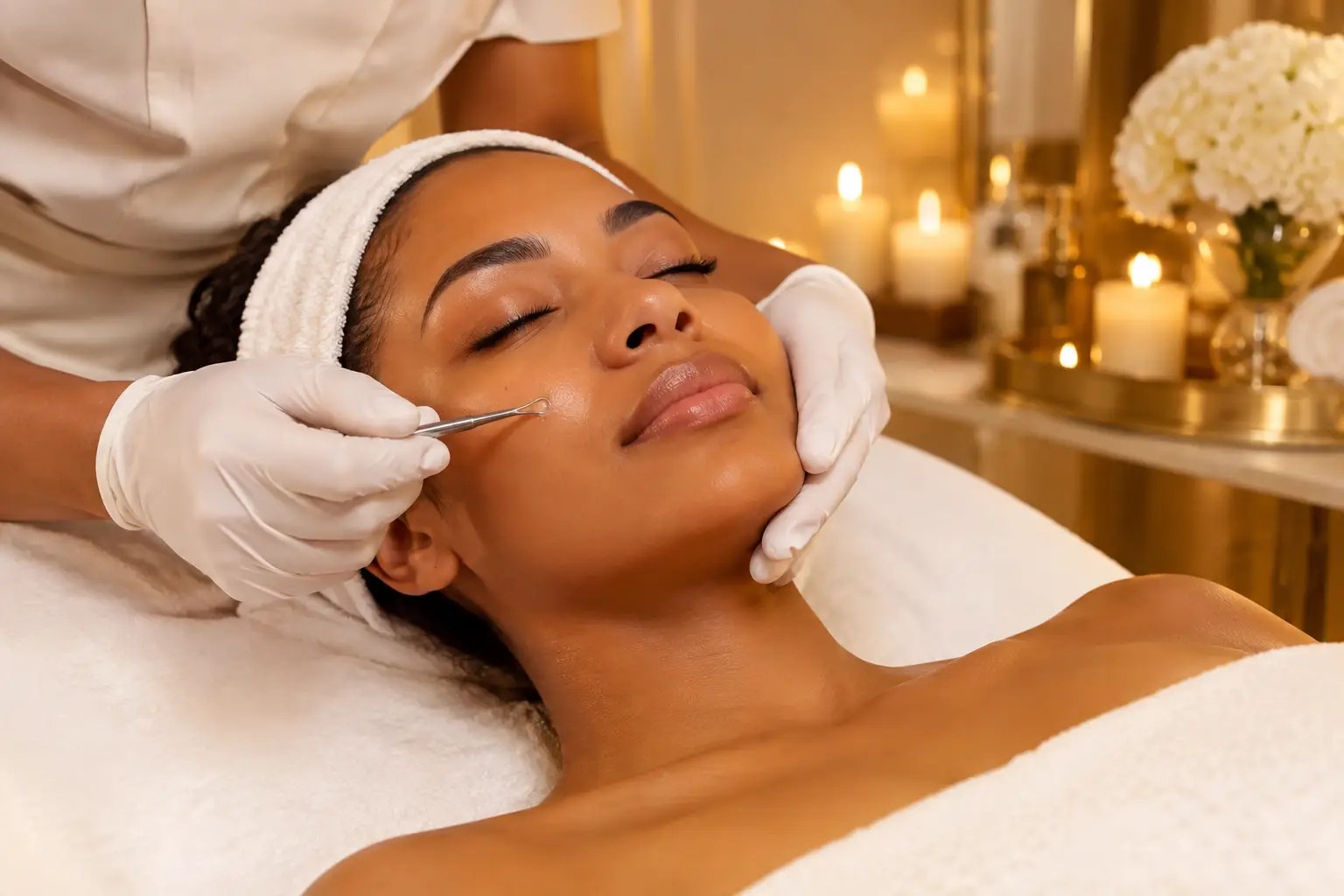
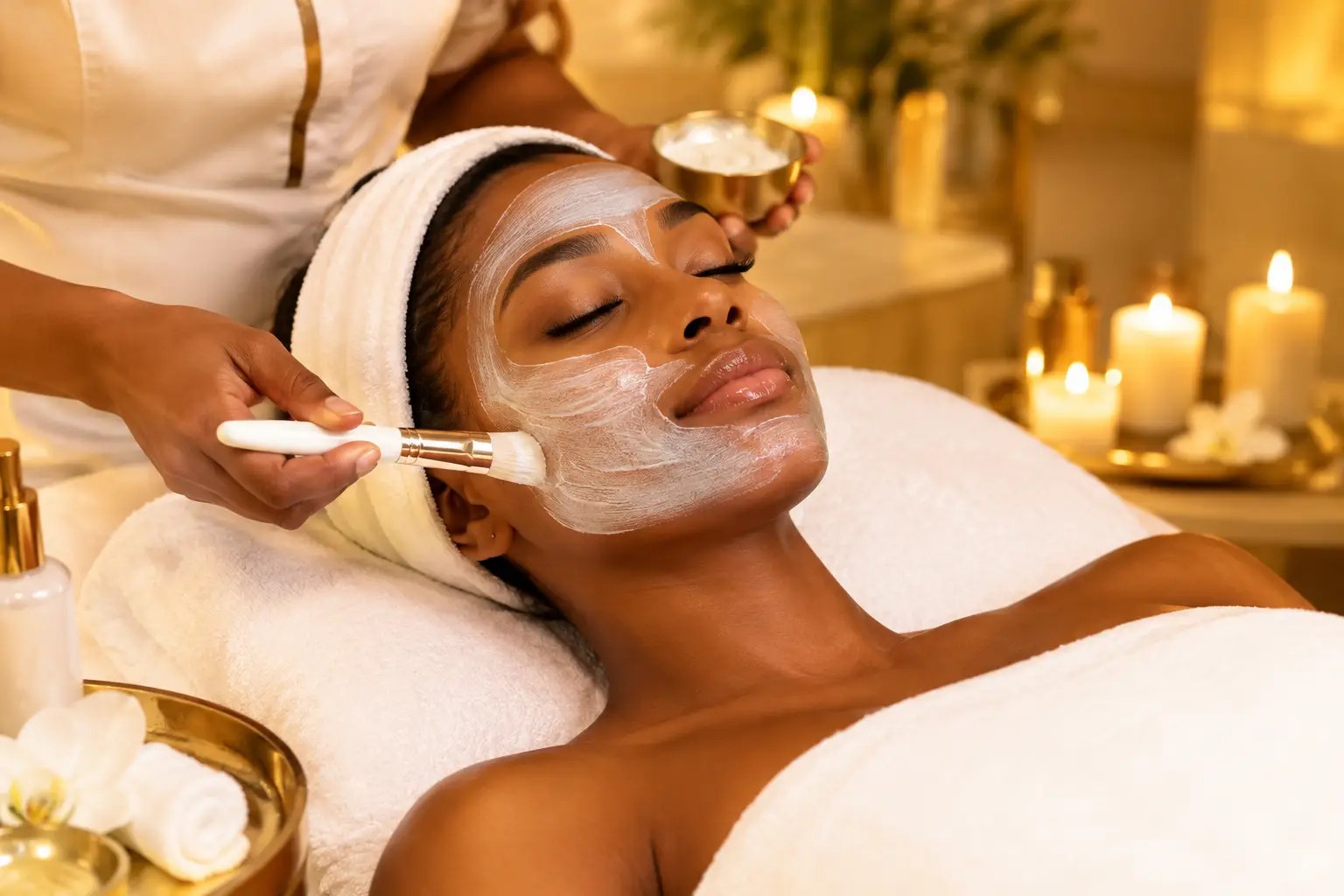
At-home serums are valuable, but some concerns benefit from a more personalized plan. Melasma, persistent hyperpigmentation, acne scarring, and uneven texture that has not responded to a consistent routine may require professional treatments such as customized chemical peels, corrective facials, or a guided home-care regimen.
At Mink Total Medical Spa & Wellness, skincare recommendations are selected around the condition of your skin, not a one-size-fits-all trend. Professional lines such as PCA Skin, Clinician Complex, and Face Reality offer targeted options for concerns ranging from acne and discoloration to dehydration and visible sensitivity. The right recommendation depends on your current barrier health, lifestyle, previous treatments, and the products already in your cabinet.
A consultation is also helpful when you are unsure whether you are seeing post-inflammatory hyperpigmentation, sun damage, rosacea-related redness, or irritation from over-exfoliation. Each requires a different level of correction and care.
Give Your Skin a Calm, Consistent Plan
The most effective serum is the one your skin can use regularly without becoming inflamed, flaky, or overwhelmed. Introduce new actives slowly, patch test when possible, and avoid changing several products at once. If you notice persistent burning, itching, swelling, or a worsening rash, pause the product and seek professional guidance.
Beautifully even-looking skin is usually the result of steady care: a targeted serum, a healthy barrier, daily sun protection, and the occasional professional reset when your skin needs more support. Let your routine feel like a small, restorative ritual, not another demand on your day.