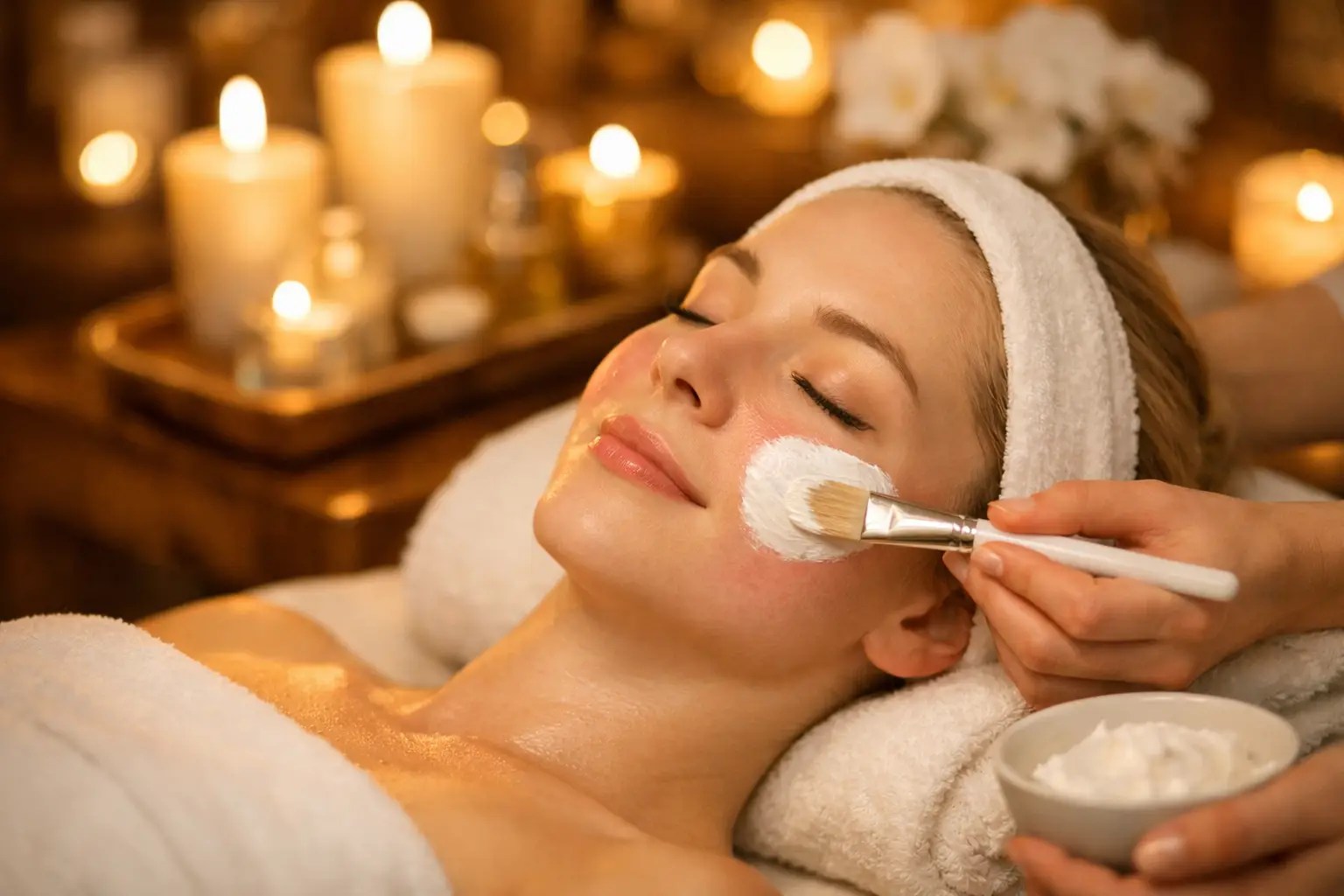
Sensitive Skin Facial Options That Make Sense

When your skin flares after what was supposed to be a relaxing facial, the issue is rarely that facials are wrong for you. More often, it is that the treatment was too aggressive, too active, or simply not designed for reactive skin. The best sensitive skin facial options are not about doing more. They are about choosing treatments that calm inflammation, protect the skin barrier, and still give you that refreshed, polished look.
Sensitive skin is often treated like a single skin type, but in practice it shows up in very different ways. For some women, it means persistent redness and stinging. For others, it looks like dryness, breakouts, tightness, or a sudden reaction to products that used to feel fine. Stress, travel, weather shifts, over-exfoliation, and strong active ingredients can all push skin into a more reactive state. That is why the right facial should be chosen based on what your skin is doing now, not just what it is labeled.
What sensitive skin really needs from a facial
A well-designed facial for sensitive skin should leave the complexion calmer than it started. That sounds obvious, but many treatments marketed as refreshing or corrective can quietly strip the barrier, increase heat in the skin, or trigger inflammation that takes days to settle.
The first priority is barrier support. Sensitive skin tends to have a weaker protective barrier, which means water escapes more easily and irritants get in faster. In a treatment room, that usually means avoiding harsh scrubs, limiting aggressive acids, and choosing ingredients that hydrate, soothe, and reduce visible redness.
The second priority is controlled stimulation. Skin can still benefit from professional exfoliation, circulation support, and targeted correction, but the dose matters. A treatment that feels wonderful on resilient skin may be too much for someone who is already flushed, dry, or stressed.
Sensitive skin facial options worth considering
Not every facial is automatically off-limits when you have reactive skin. The key is selecting treatments with a calm, strategic approach.
Barrier-repair facials
These are often the safest starting point for sensitized skin. A barrier-repair facial focuses on gentle cleansing, light enzyme work if appropriate, intense hydration, and nourishing products that help reduce transepidermal water loss. You are not chasing dramatic exfoliation here. You are helping skin function better.
This kind of facial is ideal if your face feels tight, rough, red, or easily irritated by your usual products. It is also a smart reset after travel, seasonal weather changes, or a period of overusing retinol, acids, or acne treatments.
Calming facials for redness-prone skin
If flushing, inflammation, or visible redness is your main concern, a calming facial can be a better fit than anything labeled deep-cleaning or corrective. These treatments typically use cool or room-temperature techniques, soothing masks, and anti-inflammatory ingredients chosen to reduce that hot, reactive feeling.
For clients with rosacea tendencies or frequent facial redness, this approach can make a noticeable difference in comfort and appearance. The trade-off is that it may not deliver the instant smoothness of a stronger resurfacing treatment, but for many people, comfort and consistency are what finally improve the skin long term.
Gentle enzyme facials
Enzymes can be an excellent option when dullness and congestion are part of the picture, but traditional scrubs and stronger acid peels feel risky. Enzymes work by loosening surface buildup more gently than many manual exfoliants. When properly selected, they can brighten the complexion without creating the raw, over-processed feeling that sensitive skin often hates.
That said, not every enzyme formula is mild. Some are blended with actives that may still be too stimulating for highly reactive skin. This is one of those moments where professional guidance matters.
Hydrating facials with light lymphatic support
Sensitive skin is often tied to stress, inflammation, and fluid retention, especially when the face looks puffy and tired. A hydrating facial paired with gentle lymphatic-style massage can support circulation without rough manipulation. The skin looks fresher, but the experience also tends to feel deeply restorative.
For busy professionals who carry stress in the face, jaw, and shoulders, this style of treatment offers more than cosmetic benefit. It helps create the kind of calm that reactive skin often responds well to.
Customized corrective facials
Some sensitive skin still needs targeted support for acne, uneven tone, or early signs of aging. In these cases, a fully customized facial is often the most sensible route. Instead of forcing the skin into a trendy treatment, the esthetician adjusts exfoliation level, mask choice, extraction approach, and finishing products based on your barrier condition and goals.
This matters because sensitive skin and acne can coexist. Sensitive skin and breakouts are not rare, especially in adults juggling stress, hormones, and too many conflicting products. A customized corrective facial can address congestion while still respecting the skin’s limits.
Treatments that may need more caution
There is no universal banned list, but some services deserve a more careful conversation if your skin reacts easily.
Strong chemical peels can be transformative for the right client, yet they are not always the best first move for sensitive skin. A gentle peel protocol may be appropriate, but starting with too much intensity can set the skin back. The same goes for microdermabrasion or highly stimulating resurfacing treatments. If your barrier is already compromised, more exfoliation is not automatically better.
Extractions are another gray area. Done correctly and selectively, they can help. Done too aggressively, they can leave sensitive skin red, inflamed, and vulnerable. This is why experience and restraint matter as much as the treatment itself.
How to know which facial is right for you
The best choice usually comes down to what triggers your skin and what result you want most. If your skin burns when you apply products, start with barrier repair and hydration. If your face is red and warm by midday, calming treatments are usually the better lane. If you feel dull, flaky, and congested but cannot tolerate scrubs, gentle enzymes may offer a middle ground.
It also helps to think beyond one appointment. Sensitive skin often responds best to consistency rather than intensity. A series of thoughtful, lower-aggression treatments can improve tone, texture, and resilience far more comfortably than one ambitious facial that leaves your skin overwhelmed.
A professional skin consultation is especially helpful if your skin seems unpredictable. Often, what feels like sensitivity is a damaged barrier, product overload, or untreated inflammation. Once that is identified, treatment planning becomes much easier.
The home care piece matters more than most people think
Even the best in-spa treatment can only do so much if your at-home routine keeps irritating your skin. Sensitive skin usually benefits from a simple, steady regimen built around a gentle cleanser, barrier-supporting moisturizer, and daily SPF. Serums and treatment products can still have a place, but they should be chosen carefully and introduced with intention.
This is where curated professional skincare makes a real difference. Instead of guessing your way through trendy formulas, it is often better to use products selected for your skin condition, treatment history, and tolerance level. At Mink Total Medical Spa & Wellness, clients often do best when professional facials are paired with supportive home care such as gentle cleansers, calming moisturizers, corrective serums, and SPF from trusted lines like PCA Skin, Clinician Complex, and Face Reality.
If you are currently using multiple exfoliants, retinol every night, and a cleanser that leaves your face squeaky, that routine may be contributing more to your sensitivity than you realize. Pulling back is not giving up on results. It is often how results finally become possible.
What to expect after a sensitive skin facial
A good facial for sensitive skin should leave you looking fresh, hydrated, and more even-toned, not raw or fragile. Mild pinkness can happen, especially if there was light exfoliation or a bit of targeted work, but the skin should settle quickly. You should also notice that your products go on more comfortably in the following days.
Aftercare usually means keeping things simple. Skip anything harsh, avoid adding new actives right away, and protect the skin from heat and sun exposure. Think of the facial as a chance to quiet the noise in your skin, then keep that calm going.
Sensitive skin does not mean you have to avoid professional treatments. It means your skin responds best to skill, restraint, and customization. The right facial should feel like relief, not a test of endurance. When treatment supports both correction and comfort, your skin usually tells you very clearly that you are on the right path.
Choose the facial that respects your skin today, not the one that promises the most in the shortest time. Calm, healthy skin has its own kind of radiance, and it lasts longer than a quick fix.


