A Practical Guide to Corrective Facials
A facial that feels relaxing is lovely. A facial that is designed to change your skin is something else entirely.
This guide to corrective facials is for anyone who has looked in the mirror and felt frustrated by breakouts, congestion, uneven texture, post-acne marks, dehydration, or skin that suddenly seems less cooperative than it used to. Corrective facials are not about a one-size-fits-all glow. They are professional, treatment-focused services built around what your skin actually needs to function better and look healthier over time.
What corrective facials really are
A corrective facial is a results-driven treatment performed with a specific skin goal in mind. That goal might be clearing acne, calming inflammation, softening rough texture, brightening discoloration, supporting barrier repair, or improving overall tone and resilience. The difference is intention. Rather than following a standard facial script, a corrective facial is tailored to your skin condition, history, sensitivities, and long-term goals.
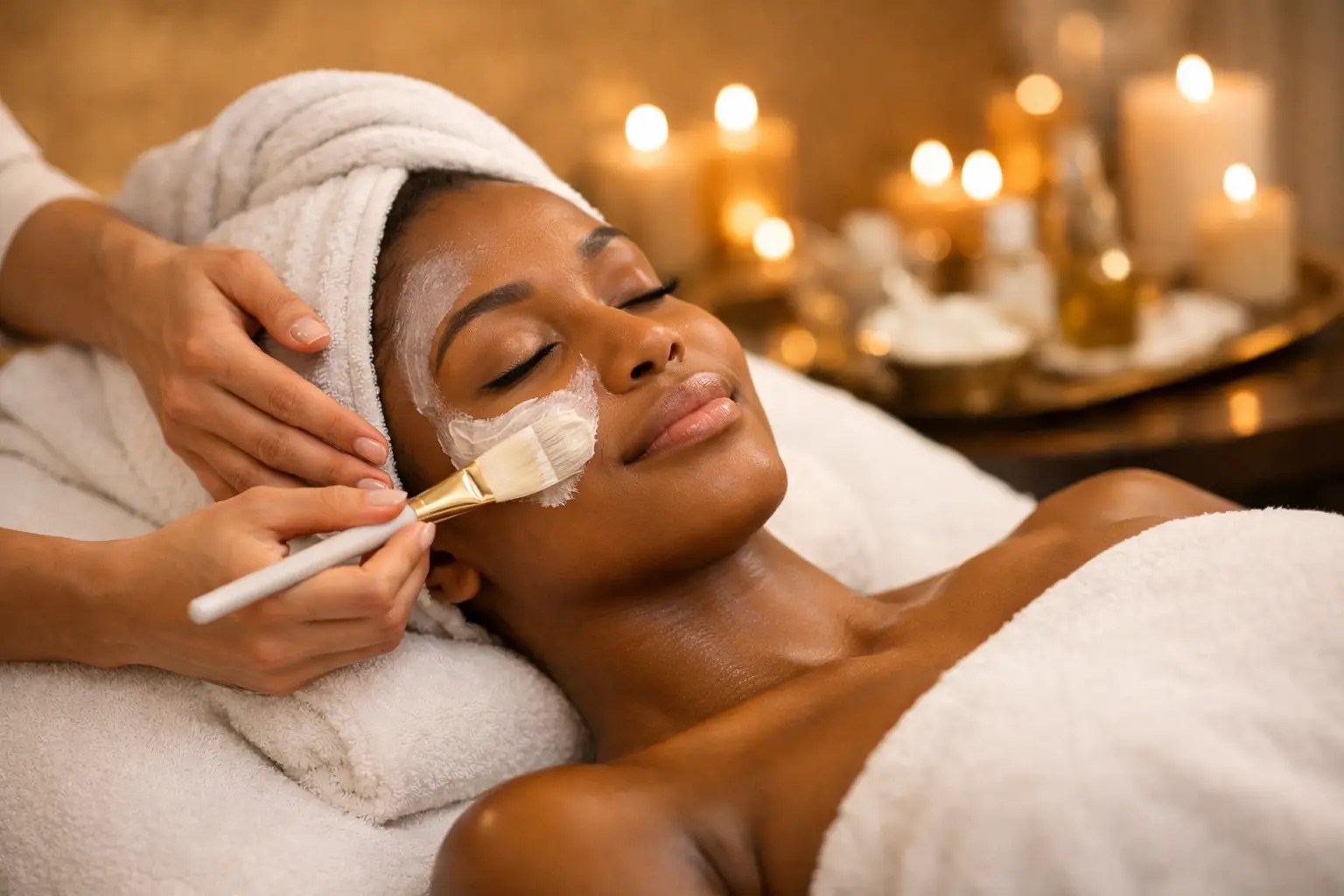
That does not mean the experience has to feel clinical or cold. In a well-designed treatment room, corrective care and relaxation can coexist beautifully. You can have expert skin analysis, targeted exfoliation, extractions when appropriate, treatment serums, and a thoughtful home-care plan while still feeling restored when you leave.
A guide to corrective facials and the concerns they target
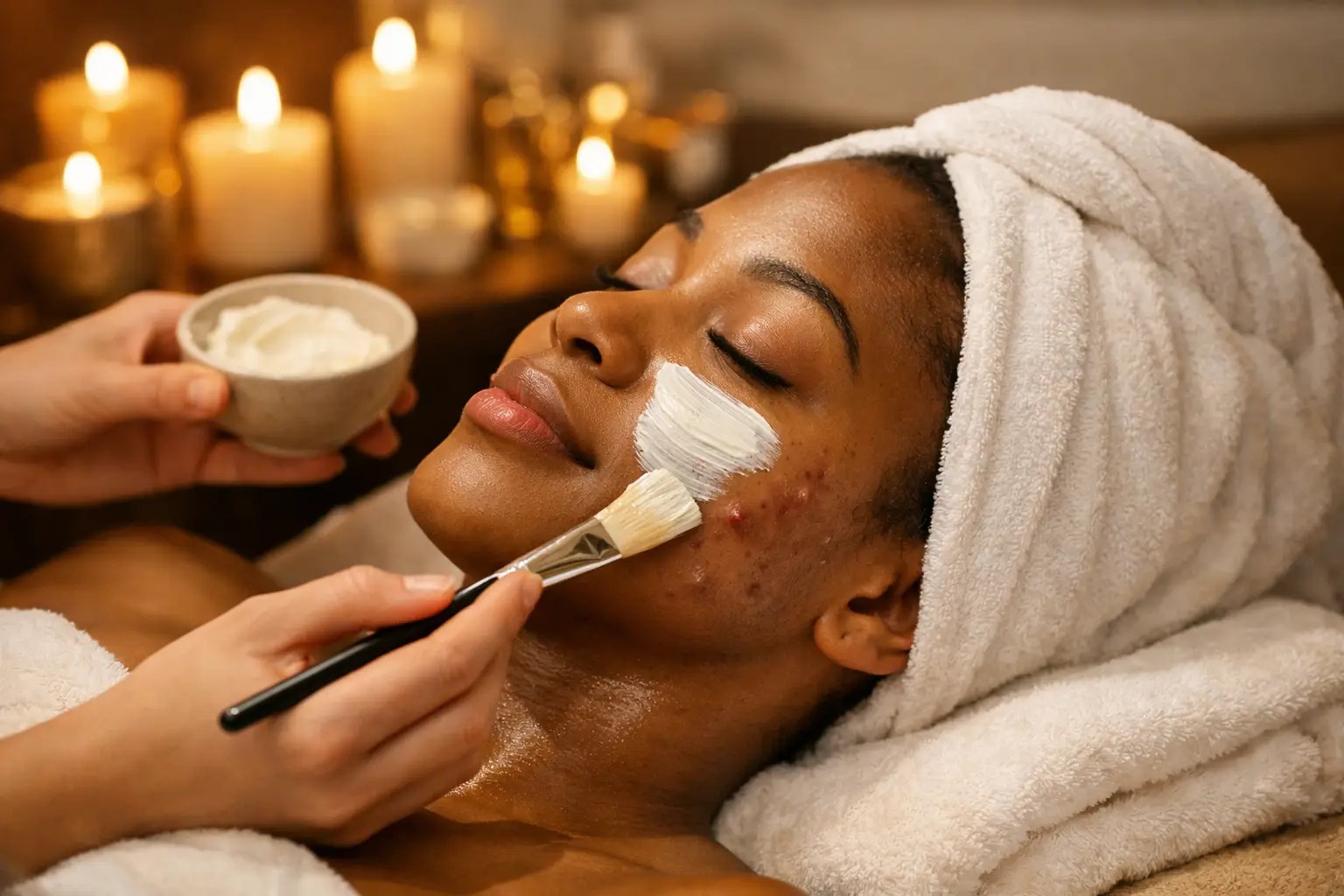
Corrective facials are often the right fit when your skin is sending a clear signal that it needs more than maintenance. Acne is one of the most common reasons people seek them out, especially adult acne that lingers well past the teenage years. Congested pores, recurring breakouts along the jawline, inflamed blemishes, and the cycle of healing marks all respond best to a treatment plan instead of occasional pampering.
They are also helpful for dullness, uneven texture, visible dehydration, and early signs of aging. If your skin feels rough, looks tired, or seems to react to everything, the issue may not be that you need harsher products. Often, the skin barrier is compromised, or the routine is not aligned with what your skin can tolerate. Corrective facials help identify those patterns and reset the approach.
Hyperpigmentation is another area where professional guidance matters. Sun exposure, acne, and hormonal shifts can all leave discoloration behind. While no facial can erase pigment overnight, strategic treatments paired with daily SPF and disciplined home care can make a meaningful difference over time.
What happens during a corrective facial
The best corrective facials begin before the first product touches your face. A provider should assess your skin closely, ask about your routine, review sensitivities, and understand your concerns and timeline. If you are dealing with frequent breakouts, for example, details like workout habits, stress levels, hormones, and the products you are currently using can be highly relevant.
From there, the treatment is customized. Cleansing is followed by skin analysis and usually a form of exfoliation, but the type matters. Some skin does well with enzymes. Other skin benefits from acids selected with care. A highly sensitized client may need a gentler barrier-supportive treatment first, while a congested client may be ready for deeper pore-focused work.
Extractions may be included, but not aggressively and not every time. This is an area where more is not always better. Overworked skin can become inflamed, irritated, and slower to heal. Corrective work should respect the skin, not battle it.
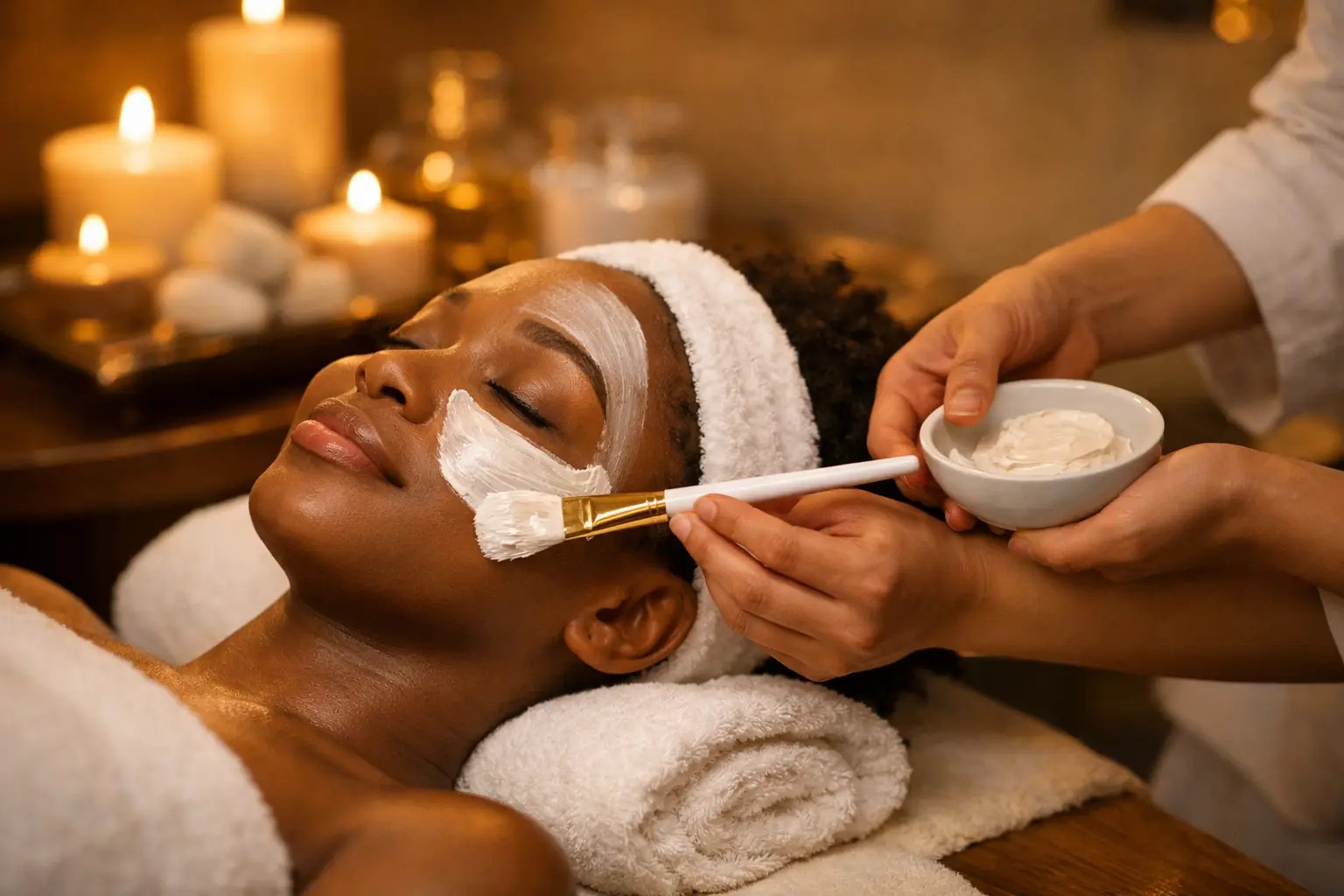
Depending on the treatment plan, your facial may also include calming masks, hydrating infusions, LED support, acne-focused ingredients, or brightening serums. The exact combination should reflect your skin on that day, not just what was booked on the calendar.
The difference between corrective and spa facials
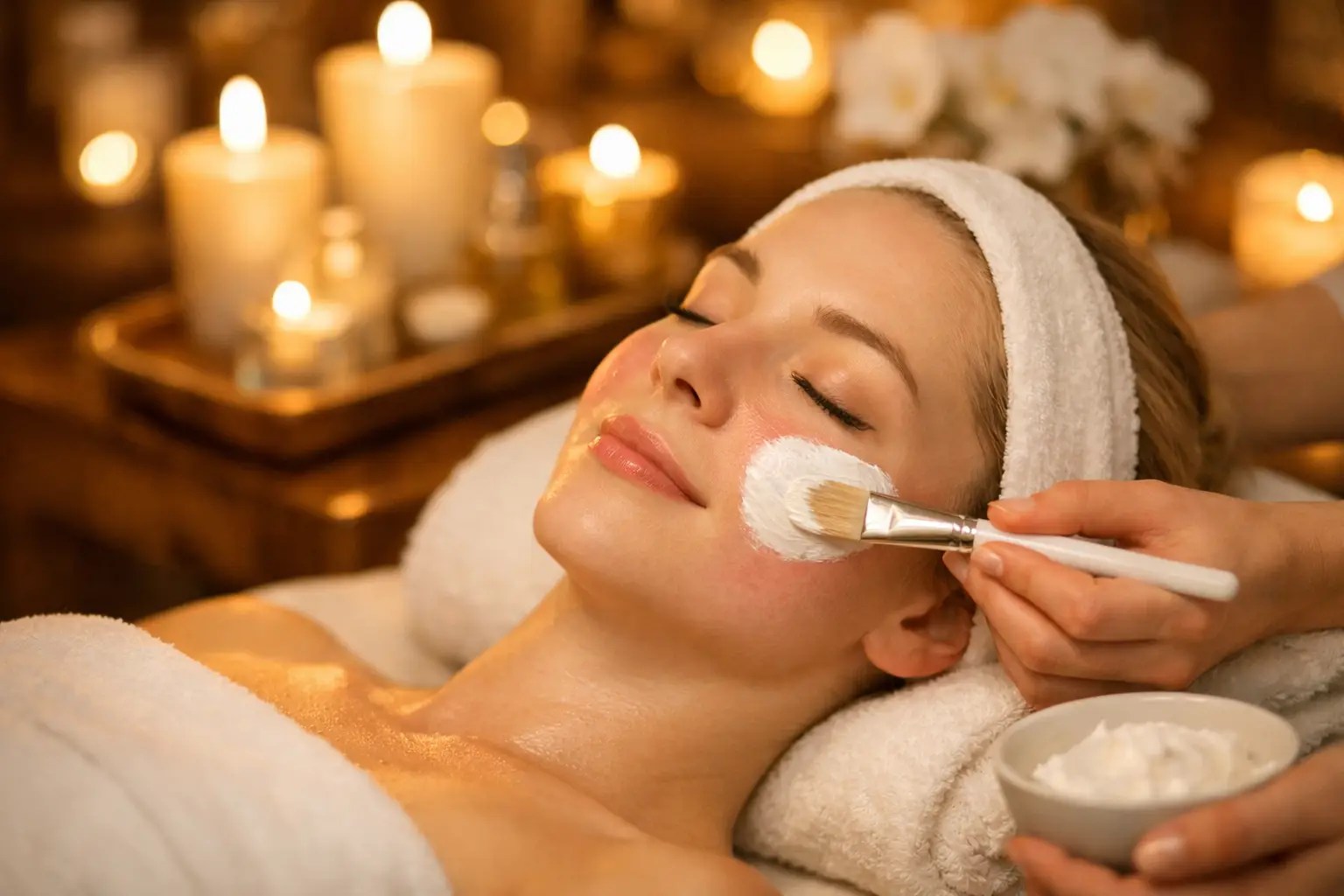
A traditional spa facial is usually centered on maintenance, hydration, and relaxation. There is real value in that, especially if your skin is already balanced and you want consistent professional care. But if you are trying to solve a persistent concern, a more targeted treatment is often the better choice.
Corrective facials are more strategic. Product selection is tighter. Techniques are chosen for a purpose. Progress is measured over a series of appointments, not a single glow-up moment. That said, the line between the two is not rigid. A luxury facial can still be corrective, and a corrective facial can still feel soothing. The strongest treatment experiences do both.
Who benefits most from corrective facials
Busy adult women often come in thinking their skin problems are random when they are actually patterned. Stress, inconsistent sleep, travel, long workdays, exercise, hormonal shifts, and climate all show up on the skin. A corrective facial can be especially valuable when you are doing your best at home but still not seeing the change you want.
If your current routine is full of strong actives and your skin is getting red, tight, or flaky, corrective care may mean doing less and repairing more. If your skin feels thick, congested, and dull, it may mean carefully increasing exfoliation and clarifying the pores. This is why professional assessment matters. Two people can both say they have acne and need very different treatment plans.
Corrective facials are also ideal before milestone events, though timing is important. If you have a wedding, photoshoot, reunion, or work event coming up, last-minute experimentation is rarely wise. Skin often responds best when treatments are spaced out and adjusted over several visits.
What results to expect and when
A good corrective facial can leave your skin looking fresher right away, but the deeper value is cumulative. Congestion may lessen gradually. Breakouts may become less inflamed and less frequent. Texture can smooth out over time. Pigment can fade with consistency. Barrier repair can reduce the cycle of sensitivity and overreaction.
The timeline depends on the concern, your skin history, and how closely home care supports the treatment plan. Acne and pigmentation usually require patience. Dehydration and dullness may improve more quickly. This is one of the biggest trade-offs to understand: fast, aggressive treatments can backfire, while measured, customized care tends to create steadier results.
Why home care matters between appointments
You cannot out-facial a poor home routine. Professional treatments create momentum, but what you use every day determines whether that progress holds.
For many clients, the most effective routine is not the most complicated one. A quality cleanser, treatment serum, moisturizer, and daily SPF often do more than an overstuffed cabinet of trend-driven products. Acne-prone skin may need targeted support such as professional acne creams or clarifying serums. Sensitive or post-treatment skin may need calming hydration and chemical peel aftercare products that protect the barrier instead of stressing it further.
This is where curated professional skincare makes a difference. Brands such as PCA Skin, Clinician Complex, and Face Reality are often chosen in treatment settings because they are built to support specific skin conditions, not just create shelf appeal. The right formula can extend the benefits of your facial and reduce the guesswork that keeps many people stuck.
How often should you get corrective facials?
It depends on the goal. Someone working through active acne or significant congestion may benefit from a closer treatment cadence at first. Someone focused on maintenance, brightening, or gentle rejuvenation may come less frequently. Skin does not improve on a rigid universal schedule, and it should not be treated that way.
What matters most is consistency. A thoughtful series, paired with smart home care, usually delivers more than occasional appointments spaced too far apart to build progress. If your provider adjusts frequency based on how your skin responds, that is a good sign you are receiving real corrective care rather than a preset package.
How to choose the right provider
If you are investing in corrective facials, look for more than a beautiful setting. You want someone who understands skin behavior, asks good questions, and can explain why a treatment is being recommended. Credentials, experience with corrective skincare, and a personalized approach all matter.
You should also feel cared for, not rushed. The right provider balances clinical judgment with a warm, reassuring experience. That combination is especially valuable if your skin has made you self-conscious or if previous treatments have left you disappointed. At Mink Total Medical Spa & Wellness, that balance is central to the experience – elevated, calming care grounded in corrective expertise.
Beautiful skin rarely comes from chasing quick fixes. It usually comes from a plan, a trusted professional, and the kind of consistency that makes your skin feel supported instead of managed.