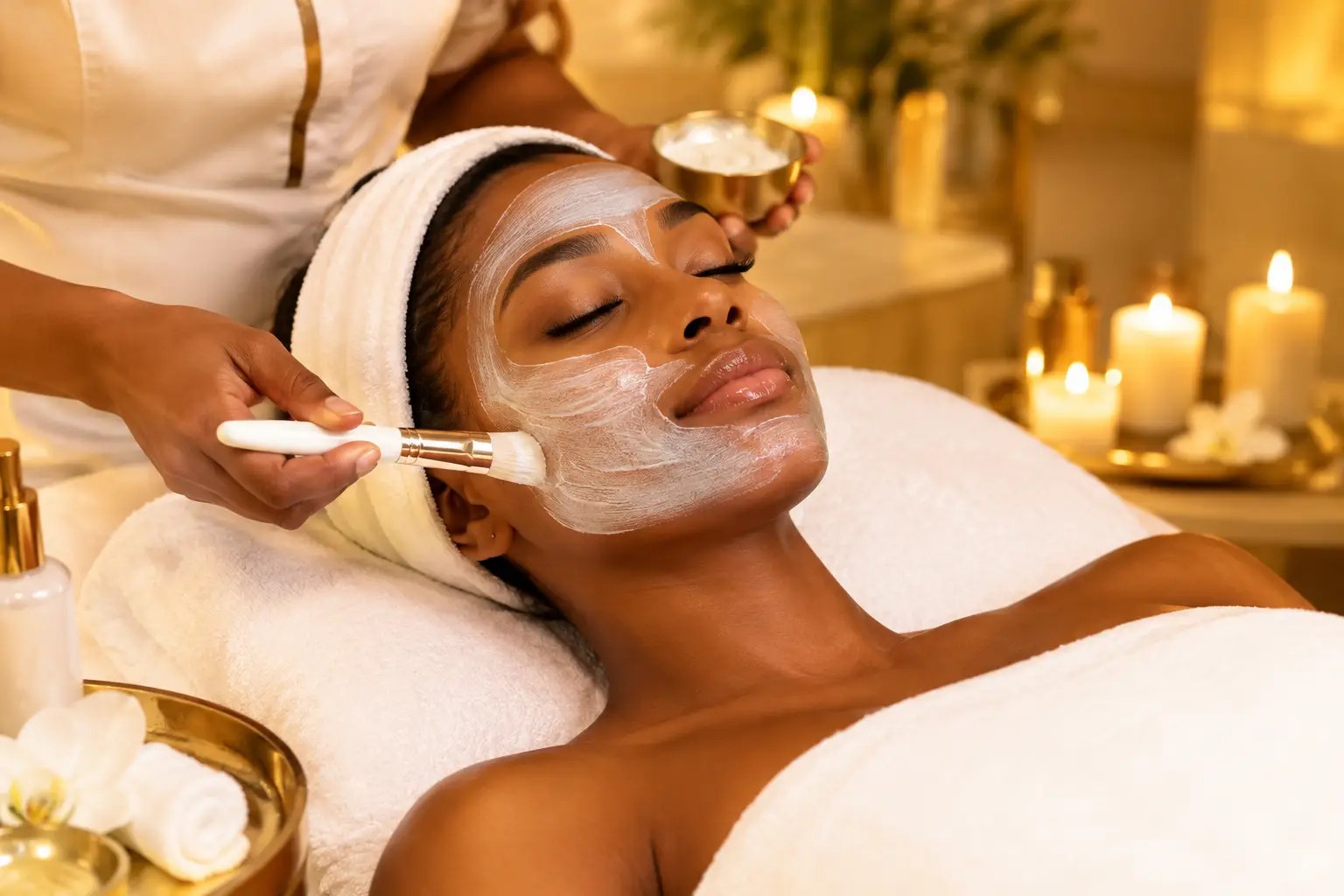
Retinol Alternative for Sensitive Skin That Works

Retinol has earned its reputation for improving the look of fine lines, uneven tone, breakouts, and texture. But for skin that flushes easily, stings after cleansing, or becomes dry and tight with new products, it can feel like a difficult trade-off. The right retinol alternative for sensitive skin can support a smoother, brighter-looking complexion without turning your evening routine into a recovery plan.
The goal is not to chase the strongest active ingredient. It is to choose corrective care that respects your skin barrier, your current concerns, and the consistency you can realistically maintain. Sensitive skin often responds best to a measured approach: fewer active products, thoughtful layering, and professional guidance when irritation or acne persists.
Why retinol can be difficult for sensitive skin
Retinol is a vitamin A derivative that encourages skin cell turnover. That activity can be beneficial, but it can also temporarily disrupt the outer barrier as skin adjusts. Redness, flaking, dryness, burning, and increased sensitivity are common signs that a formula, frequency, or combination of products is too much for your skin at the moment.
This does not mean retinol is inherently wrong or that sensitive skin can never use it. Some clients tolerate a carefully selected formula once or twice a week. Others are dealing with rosacea-prone skin, eczema, a compromised barrier, or prescription acne care that makes retinol an unnecessary source of stress. In those cases, a gentler alternative is often the more elegant choice.
It also matters what else is in your routine. A retinol product paired with exfoliating acids, a strong cleanser, benzoyl peroxide, or frequent professional peels can create irritation even when each product seems reasonable on its own. Beautiful results come from compatibility, not from stacking every active ingredient at once.
The best retinol alternative for sensitive skin depends on your goal
There is no single ingredient that duplicates every benefit of retinol. The best option depends on whether your priority is lines, dullness, breakouts, discoloration, or overall resilience.
Bakuchiol for a gentle smoothing routine
Bakuchiol is a plant-derived ingredient often chosen by clients who want the appearance benefits associated with retinol but prefer a more comfortable experience. It can help improve the look of fine lines, uneven texture, and loss of radiance while generally feeling less drying than traditional retinol.
That does not make bakuchiol irritation-proof. Sensitive skin can react to botanical extracts, fragrance, or a rich formula that does not suit the skin. Start with a patch test and introduce one new product at a time. A simple evening routine of gentle cleanse, bakuchiol serum, and barrier-supportive moisturizer is often more effective than a crowded routine.
Bakuchiol is especially appealing for someone whose skin is stable but reactive – the client who wants preventative care and glow, yet knows that frequent peeling and redness are not worth the payoff.
Peptides for lines and barrier support
Peptides are short chains of amino acids used in skincare to support a firmer, smoother-looking complexion. They are not exfoliants, and they do not increase cell turnover in the same way retinol does. Their strength lies in a gentler, supportive approach that works well alongside moisturizers and barrier-repair ingredients.
For sensitive skin focused on early signs of aging, peptides can be an excellent long-term choice. Look for them in a serum or moisturizer with ingredients such as ceramides, glycerin, squalane, or hyaluronic acid. These formulas help skin hold onto hydration, which can make fine lines appear softer and improve comfort throughout the day.
The trade-off is patience. Peptides tend to offer subtle, gradual refinement rather than the faster visible change some people see with stronger vitamin A products. For a client who values calm, well-hydrated skin, that trade-off is often worthwhile.
Azelaic acid for redness, blemishes, and uneven tone
Azelaic acid is one of the most versatile choices for sensitive or acne-prone skin. It can help improve the look of blemishes, post-breakout marks, uneven tone, and visible redness, making it particularly useful when retinol has caused too much dryness or reactivity.
Not every azelaic acid product feels the same. Concentration, texture, and the rest of the formula all matter. Some people experience mild tingling when first introducing it, especially if their barrier is already stressed. Begin two or three nights a week, use a pea-sized amount, and follow with a comforting moisturizer.
For clients managing recurring congestion and sensitivity at the same time, azelaic acid may be more practical than chasing an aggressive anti-aging routine. Clearer-looking skin and a healthier barrier create a polished foundation for everything else.
Niacinamide for a more resilient complexion
Niacinamide, a form of vitamin B3, is a quiet workhorse for sensitive skin. It supports the skin barrier, helps balance the appearance of excess oil, and can improve the look of enlarged pores, uneven tone, and redness over time. It also layers easily with most other ingredients.
More is not always better. High-strength niacinamide formulas can cause warmth or flushing in some sensitive skin types. A moderate concentration in a well-formulated serum or moisturizer is often the more refined route. If your skin is easily reactive, choose a minimal formula and avoid adding several new actives during the same week.
PHAs when texture is the concern
If dullness and rough texture are your main concerns, polyhydroxy acids, or PHAs, can offer a gentler exfoliating option than many alpha hydroxy acids. Their larger molecular size means they tend to work more gradually on the skin’s surface. They can be a thoughtful choice for someone who wants a brighter, smoother appearance but finds stronger acids too intense.
PHAs are still exfoliants, so they deserve respect. Use them one or two evenings weekly rather than nightly, and skip them if your skin is peeling, windburned, freshly waxed, or recovering from a professional treatment. Daily SPF is essential, particularly when any exfoliating ingredient is part of your routine.
Build a routine your skin can trust
Sensitive skin usually thrives on consistency, not constant correction. In the morning, use a gentle cleanser or rinse, a soothing treatment serum if desired, moisturizer, and broad-spectrum SPF. At night, cleanse thoroughly, use one targeted active, and finish with a moisturizer that leaves your skin comfortable rather than coated or congested.
Avoid testing a bakuchiol serum, exfoliating toner, new eye cream, and acne treatment in the same week. When irritation appears, it becomes nearly impossible to identify the cause. Give a new active two to three weeks before deciding whether it belongs in your routine, unless you experience burning, swelling, hives, or significant redness. In that case, stop using it promptly.
A patch test can save you from a full-face setback. Apply a small amount behind the ear or along the jawline for several days before using the product across your face. This is particularly useful if you have a history of fragrance sensitivity, rosacea, eczema, or reactions to botanical ingredients.
When professional guidance makes the difference
Persistent acne, rosacea-like flushing, frequent stinging, or a barrier that never seems to recover deserve more than trial and error. A personalized skin consultation can clarify whether your sensitivity is caused by over-exfoliation, product incompatibility, dehydration, acne treatments, or an underlying condition that should be evaluated by a medical provider.
At Mink Total Medical Spa & Wellness, a professional skin assessment can help pair corrective home care with treatments that fit your tolerance and goals. A curated routine may include gentle cleansers, targeted serums, restorative moisturizers, and SPF selected to support results without overwhelming your skin. For Charleston-area clients, this can be a more reassuring path than purchasing products based on a trend alone.
Sensitive skin does not need to settle for a bare-minimum routine or accept irritation as proof that a product is working. The most effective regimen is the one that leaves your skin feeling calm enough to use it again tomorrow – and polished enough to feel confident in the mirror.