Can Stress Cause Acne Flareups?
You finally get through a demanding week, look in the mirror, and there it is – a cluster of inflamed breakouts along the jawline, chin, or cheeks that seemed to appear overnight. If you have ever wondered, can stress cause acne flareups, the short answer is yes. But the more useful answer is that stress does not always create acne from nothing. More often, it pushes already acne-prone skin into a more reactive, inflamed state.
For many adult women, that distinction matters. Breakouts are rarely about one cause alone. Hormones, sleep, skin barrier health, product choices, diet patterns, and daily habits all play a role. Stress tends to weave through all of them, quietly making each one a little harder to manage.
Can Stress Cause Acne Flareups in Adults?
Yes, especially in adults who are already prone to congestion, inflammation, or hormonal breakouts. Stress affects the skin through a chain reaction. When your body is under pressure, it releases hormones like cortisol and other stress mediators that can increase oil production, intensify inflammation, and disrupt the skin’s natural balance.
That means pores may clog more easily, existing blemishes can become angrier, and healing often slows down. A breakout that might have stayed small can turn into a deeper, more persistent flare. This is one reason stress acne often feels more stubborn than the occasional random pimple.
Adult skin also brings its own complexity. Many women are trying to manage fine lines, sensitivity, dehydration, and breakouts at the same time. In that setting, stress can make skin feel both oily and stripped, congested and irritated. It is not unusual to see blemishes appear right alongside redness, dullness, or a compromised barrier.
Why stress affects your skin so visibly
Skin is deeply connected to the nervous system, so emotional strain often shows up on the face before you even have time to process how overwhelmed you feel. During periods of chronic stress, your body may stay in a heightened state longer than it should. That can influence sebum production, inflammatory response, circulation, and even your urge to touch or pick at the skin.
Then there are the indirect effects. Stress changes behavior. You may sleep less, hydrate poorly, skip workouts, eat more convenience foods, or fall into an inconsistent skincare routine. Some people start over-cleansing in a panic when they break out. Others stop using treatment products because their skin suddenly feels sensitive. Both responses can make the cycle worse.
This is where nuance matters. Stress may not be the sole reason you are breaking out, but it can absolutely be the tipping point that turns mild congestion into a visible flareup.
What stress acne usually looks like
Stress-related breakouts do not have one perfect pattern, but there are some common signs. Many adults notice inflamed papules or deeper blemishes around the chin, jawline, and lower cheeks. Others experience more widespread congestion across the forehead and temples, especially when sleep is off or sweat sits on the skin after workouts.
Stress flareups also tend to show up when your skin is already vulnerable. If you are recovering from travel, a hormonal shift, illness, over-exfoliation, or a period of poor sleep, you may be more likely to see a breakout take hold.
A key clue is timing. If your skin repeatedly worsens during busy work seasons, emotionally taxing periods, major life transitions, or weeks when your routine falls apart, stress is probably not a coincidence.
Why picking the wrong products can make it worse
When stress breakouts hit, many people reach for the harshest acne products they can find. That instinct is understandable, but it often backfires. Over-drying the skin can trigger more irritation, more barrier disruption, and sometimes even more oil production. Skin that is inflamed does not usually respond well to punishment.
A better approach is corrective but balanced. Gentle cleansing, non-comedogenic hydration, targeted acne treatment, and daily SPF are far more supportive than stripping the skin raw. If your skin is both acne-prone and stressed, the goal is to reduce congestion while protecting barrier function.
This is one reason professionally selected skincare makes such a difference. A curated regimen can address active breakouts without creating the tight, shiny, irritated look that comes from using too many aggressive formulas at once. Well-chosen cleansers, serums, acne creams, and moisturizers can help calm the skin while still moving it toward clarity.
How to calm a stress-related acne flareup
The best results usually come from treating both the skin and the lifestyle pattern behind the breakout. If you focus only on the blemishes, you may get temporary improvement but keep seeing the same cycle repeat.
Start with your routine. Cleanse consistently, but gently. Use treatment products with intention rather than layering everything you own. If you are using exfoliating acids, retinoids, or benzoyl peroxide, consider whether the frequency still makes sense for your current skin condition. During a stress flare, skin may need a more measured schedule.
Hydration matters more than many acne sufferers realize. Dehydrated skin can become reactive and unbalanced, which may make breakouts look and feel worse. A lightweight moisturizer can support healing without causing congestion when it is properly matched to your skin type.
Sleep is another major factor. A few nights of poor sleep may not seem dramatic, but skin often tells the truth quickly. Rest supports repair, regulation, and a calmer inflammatory response. If your skin tends to flare during intense seasons, protecting sleep can be just as strategic as choosing the right serum.
And then there is stress management itself. Not the performative version, but the practical one. A walk without your phone, regular massage, breathwork, journaling, a realistic evening routine, or even one protected hour each week for restorative care can lower the background noise your body has been carrying. That shift may not erase acne overnight, but it often helps reduce the frequency and severity of flareups.
Professional care can shorten the cycle
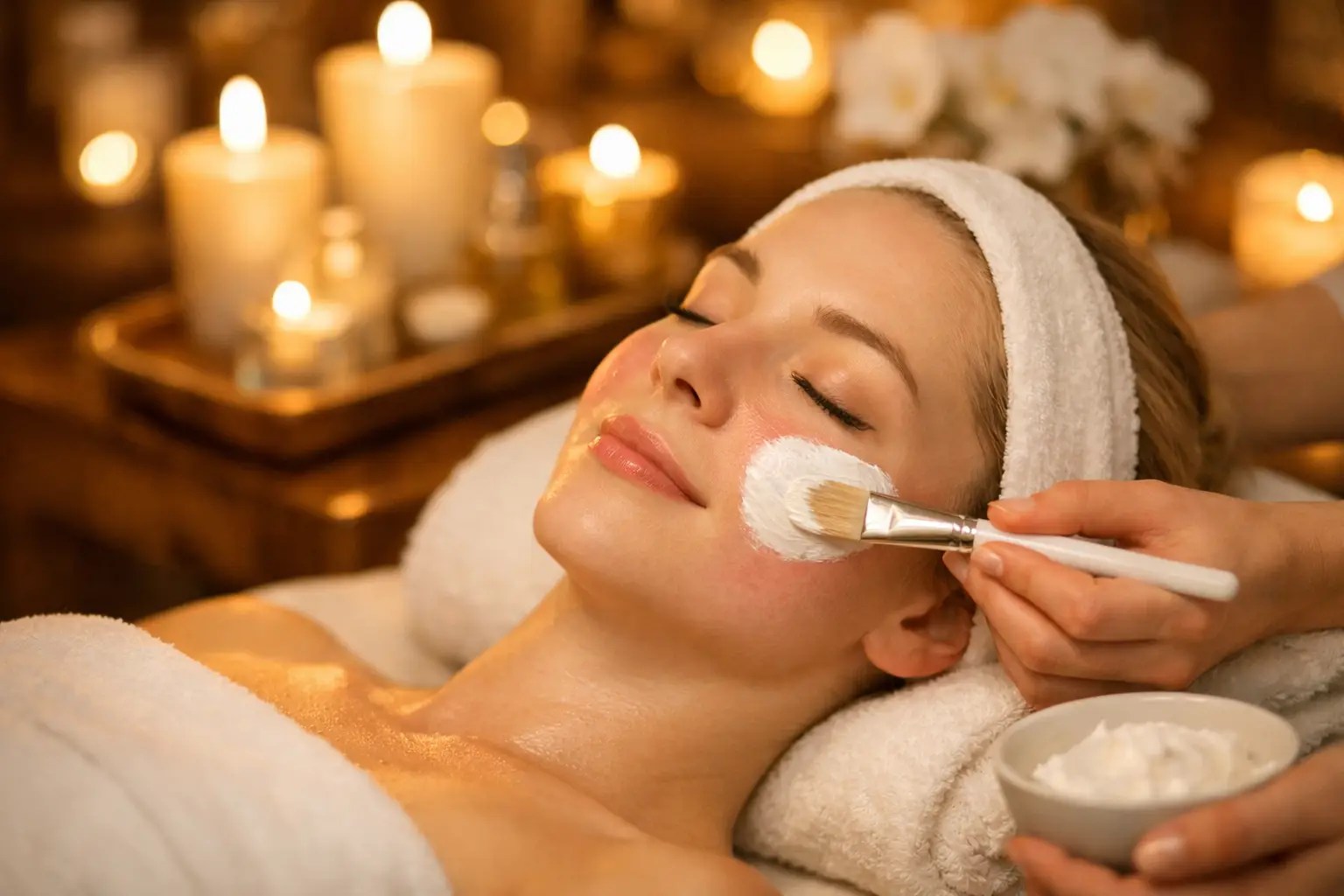
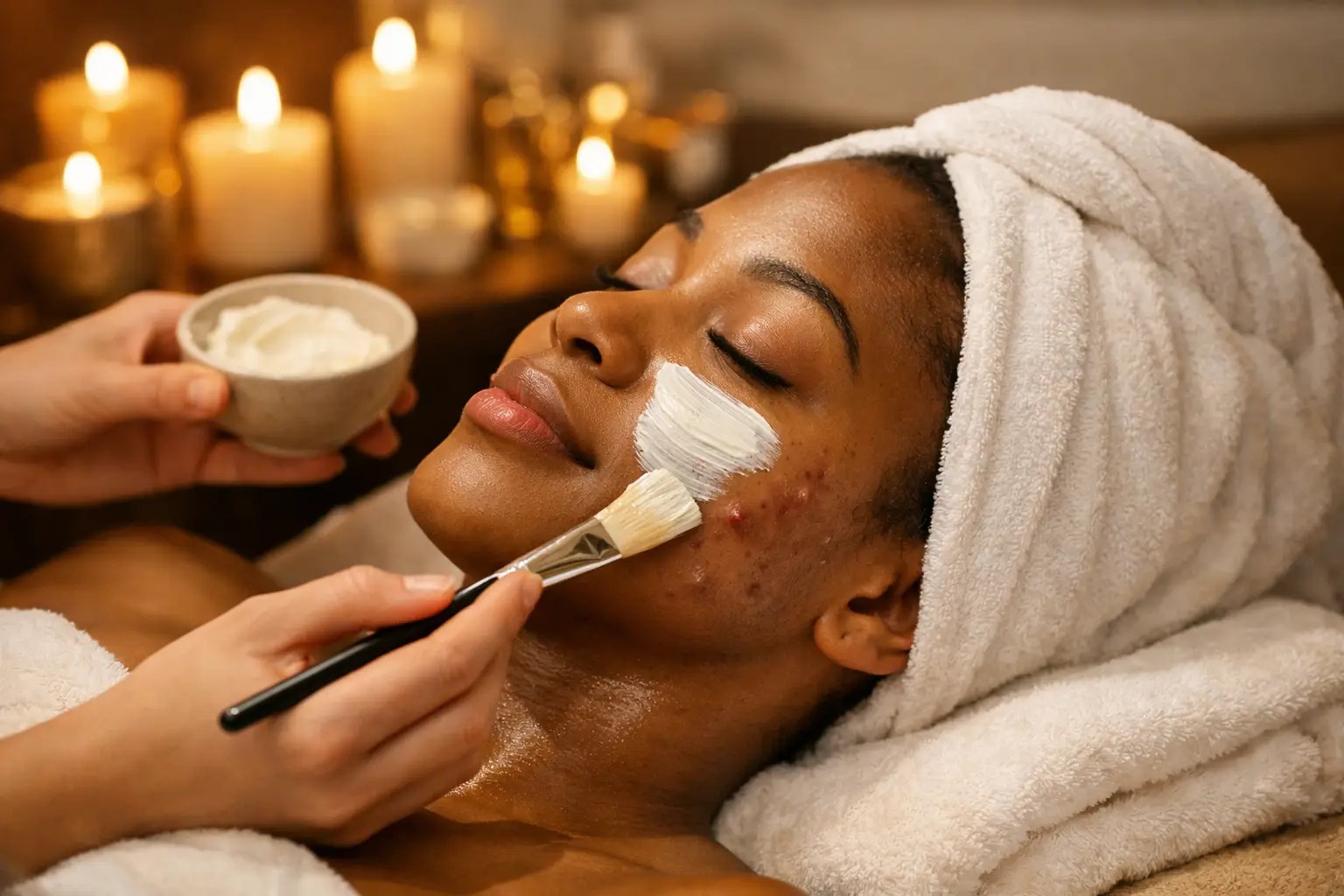
If breakouts are frequent, painful, or leaving marks behind, at-home care may not be enough. Professional skin treatments can help interrupt the cycle faster and with less guesswork. A personalized facial, targeted acne treatment plan, or carefully timed chemical peel can support cell turnover, reduce congestion, and improve overall skin function.
The key is customization. Adult acne is rarely one-size-fits-all, especially when stress and sensitivity are both involved. Skin may need exfoliation, but not too much. It may need hydration, but not heaviness. It may need active ingredients, but in the right sequence and strength. That kind of calibration is where expert guidance becomes especially valuable.
For clients balancing busy schedules and visible skin concerns, this kind of treatment support also offers something less talked about but equally important: relief. There is real comfort in stepping into a serene space, having your skin assessed professionally, and leaving with a plan that feels refined rather than overwhelming.
When stress is not the whole story
Even if the answer to can stress cause acne flareups is yes, it is worth paying attention to what else may be contributing. Persistent jawline acne can have a strong hormonal component. Tiny uniform bumps may point more toward congestion from haircare, sweat, or pore-clogging products. Widespread irritation can sometimes be mistaken for acne when the real issue is barrier damage or sensitivity.
If your breakouts are worsening despite consistent care, or if they are becoming more cystic, painful, or scarring, it may be time for a more thorough evaluation. The goal is not to blame stress for every blemish. It is to understand when stress is amplifying a larger pattern that deserves a more precise strategy.
A more supportive way to think about acne
Stress breakouts can feel frustrating because they often arrive during the exact moments when you have the least bandwidth to deal with them. That does not mean your skin is failing you. It usually means your body is asking for a more intelligent kind of support.
In practice, that looks like calming inflammation instead of attacking your face, choosing high-quality products instead of impulse buying spot treatments, and creating routines that are sustainable even during demanding weeks. For many women, a blend of professional skincare, restorative treatments, and a consistent home regimen is what finally makes skin feel manageable again.
At Mink Total Medical Spa & Wellness, that philosophy is central to how corrective skincare should feel – results-driven, personalized, and deeply supportive. Clearer skin often begins not with doing more, but with doing what your skin actually needs.
If stress has been showing up on your face lately, take that as information, not failure. A calmer complexion usually starts with a calmer approach.


