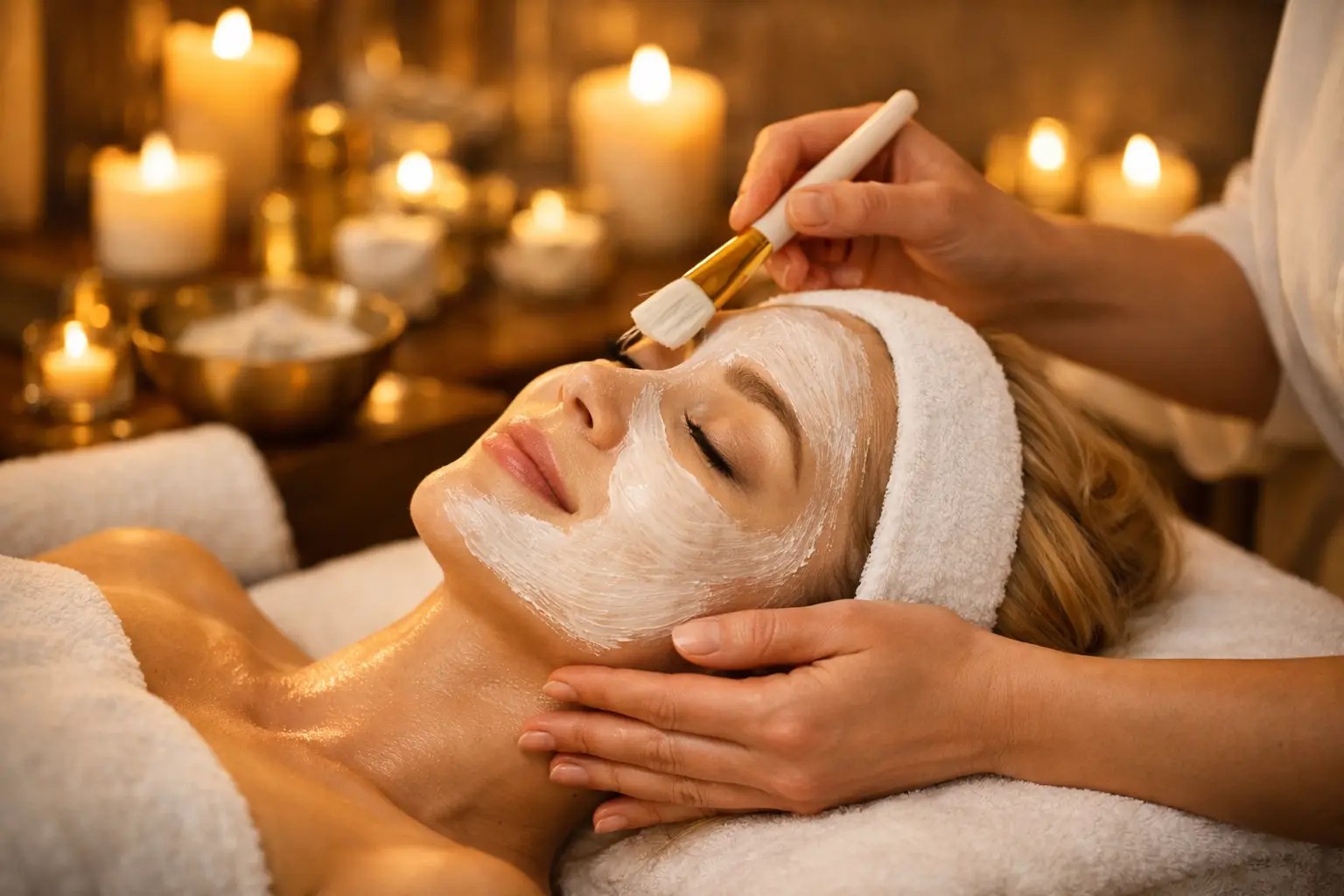
7 Lymphatic Drainage Massage Benefits

You can drink more water, clean up your skincare routine, and finally block off time to rest – and still wake up feeling puffy, tense, and a little run down. That is often where lymphatic drainage massage benefits become especially appealing. This gentle, rhythmic treatment is less about deep pressure and more about helping the body move fluid efficiently, which can leave you feeling lighter, calmer, and more refreshed.
For many women balancing demanding schedules, travel, workouts, hormones, and long days on their feet or at a desk, that subtle sense of heaviness is familiar. A lymphatic drainage massage is designed to support the lymphatic system, which plays a role in moving waste, excess fluid, and immune cells through the body. When circulation of lymph slows, you may notice swelling, puffiness, or a general feeling of stagnation. The right treatment can be both deeply relaxing and visibly restorative.
What Is Lymphatic Drainage Massage?
Lymphatic drainage massage is a specialized technique that uses very light, precise movements to encourage the natural flow of lymph. Unlike traditional massage, which often works into muscle tension with firmer pressure, this method focuses on the skin and superficial tissues where lymph vessels are located.
That distinction matters. Many clients expect a massage to feel intense to be effective, but lymphatic work is different by design. Too much pressure can actually work against the treatment goal. When performed correctly, it feels soothing, repetitive, and almost meditative.
It is also worth saying that this is not a cure-all. The treatment can support the body’s normal processes, but the results depend on your health, hydration, stress levels, sleep, hormones, and the reason fluid retention is happening in the first place.
1. Reduced Puffiness and Mild Swelling
One of the most noticeable lymphatic drainage massage benefits is a visible reduction in puffiness. This can show up in the face, under the eyes, along the jawline, in the abdomen, or in the legs and ankles. If you tend to retain fluid after travel, salty meals, hormonal shifts, or long periods of sitting, this treatment may help you feel more comfortable and look more refreshed.
Facial puffiness is often the first thing people notice. Features can appear more defined, and skin may look less dull simply because excess fluid is no longer sitting in the tissue. On the body, the sensation is often less about dramatic change and more about relief – less heaviness, less tightness, and less that end-of-day swollen feeling.
2. Support for Post-Treatment and Post-Procedure Recovery
In the aesthetic and wellness space, lymphatic drainage massage is often used to support recovery after certain treatments or procedures. That can include times when the body is processing inflammation and temporary swelling. Gentle lymphatic work may help encourage fluid movement and improve comfort during the healing phase.
This is where professional guidance matters most. Not every treatment or surgery pairs well with immediate massage, and timing is important. If you are recovering from a cosmetic procedure, always follow your provider’s instructions and choose a trained professional familiar with post-procedure protocols.
For clients receiving body treatments or advanced skincare services, this kind of massage can also complement a broader wellness plan. It is not about forcing faster healing. It is about supporting the body carefully and appropriately.
3. A Calmer Nervous System
Some benefits are visible. Others are felt more quietly.
Because lymphatic drainage massage uses slow, repetitive, gentle touch, many clients find it profoundly calming. The treatment can shift you out of the braced, overstimulated state that so many high-functioning women live in without realizing it. When your schedule is full, your shoulders are up by your ears, and your mind is moving faster than your body, a gentler therapeutic approach can sometimes be more effective than a high-pressure massage.
That does not mean it replaces deep tissue work if muscular tension is your main issue. It means the treatment serves a different purpose. If your body is holding stress as tension, fatigue, shallow breathing, and inflammation, calming the nervous system may be part of why you leave feeling better.
4. A Lighter, Less Sluggish Feeling
Clients often struggle to describe this benefit until they experience it. They simply say they feel lighter afterward.
That feeling can come from reduced fluid retention, improved comfort, and the cumulative effect of rest. When your body feels bogged down, whether from travel, stress, inactivity, or hormonal changes, gentle lymphatic work can help restore a sense of flow. It is subtle but meaningful. Clothes may feel less tight, your skin may appear less congested, and your overall energy may feel less dull.
This is also why consistency can matter. One session may help, especially before an event or after a period of stress, but recurring sessions are often where clients notice the clearest difference.
5. Better Support for Circulation and Natural Detox Pathways
The word detox gets overused, especially in wellness marketing. Your body already has built-in systems for processing and eliminating waste, primarily through the liver, kidneys, digestive system, and lymphatic system. Lymphatic drainage massage does not replace those systems, and it should not be presented as a miracle cleanse.
What it may do is support the natural movement of lymph, especially in people who feel stagnant or mildly swollen. Since the lymphatic system does not have a central pump like the heart, it depends on muscle movement, breathing, and manual stimulation to keep fluid moving.
That is why this massage is often most helpful as part of a broader routine. Good hydration, regular movement, restorative sleep, and appropriate skincare and body care all work together. A treatment can enhance that effort, but it works best when the rest of your wellness habits support it.
6. A Helpful Complement to Skincare and Body Treatments
When fluid retention and inflammation are contributing to a tired-looking complexion, lymphatic work can be a beautiful complement to professional skincare. Skin can appear more rested and refined when puffiness is reduced and circulation is supported. For some clients, this makes facial contours look a bit more sculpted, especially around the cheeks and jawline.
It also aligns well with a corrective yet nurturing approach to self-care. At Mink Total Medical Spa & Wellness, that balance matters. Clients are often looking for treatments that feel serene in the moment but also support visible results over time.
At home, maintaining that refreshed look depends on more than a single appointment. Gentle cleansing, consistent hydration, and barrier-supportive skincare all matter. If your skin is prone to sensitivity or breakouts, the best product routine is one that calms and protects rather than overwhelms. Professional guidance can help you choose products that support your treatment results without adding irritation.
7. Relief After Travel, Long Workdays, or Hormonal Fluctuations
There is a practical side to lymphatic drainage massage benefits that busy clients appreciate. It can be especially useful during seasons of life when your body is under more strain than usual.
If you fly frequently, spend hours seated at a desk, stand for long shifts, or notice monthly changes in bloating and swelling, lymphatic massage may offer real relief. The treatment is gentle enough to feel restorative when you are already depleted, which is not always true of more intensive bodywork.
Still, it is not ideal for every situation. Some medical conditions, active infections, blood clot concerns, heart issues, kidney problems, or unexplained swelling may make lymphatic massage inappropriate. That is why a thoughtful intake and experienced provider are essential. Luxury should still be responsible.
Who Tends to Benefit Most?
This treatment often appeals to people who want to look less puffy, feel less heavy, and support recovery in a way that does not ask more from an already taxed body. It can be especially helpful for those managing stress, mild fluid retention, post-travel swelling, or a wellness routine that feels overdue for a reset.
It may not be the best fit if your main goal is to release deep muscle knots or address chronic pain patterns rooted in muscular tension. In that case, another massage style may be more appropriate, or a combination of therapies may make more sense.
The best approach is personalized. A skilled provider will consider your goals, your health history, and whether you need relaxation, circulation support, recovery care, or a different service altogether.
What to Expect After a Session
Most clients feel relaxed, lighter, and less swollen after treatment. Some notice they need to use the restroom more often for a short time, while others simply feel sleepy or unusually calm. Drinking water, taking a light walk, and avoiding an overly salty meal right afterward can help you get the most from the session.
Results vary. Some people see a visible difference quickly, especially in facial puffiness or post-travel swelling. Others notice the benefits more gradually, particularly when the issue is tied to chronic stress or lifestyle patterns.
The beauty of this treatment is that it honors a truth many women already know but rarely make space for: the body responds well to gentle, intelligent support. Sometimes feeling better does not require more force. It requires the right touch, at the right time, with care that respects both your wellbeing and your results.


