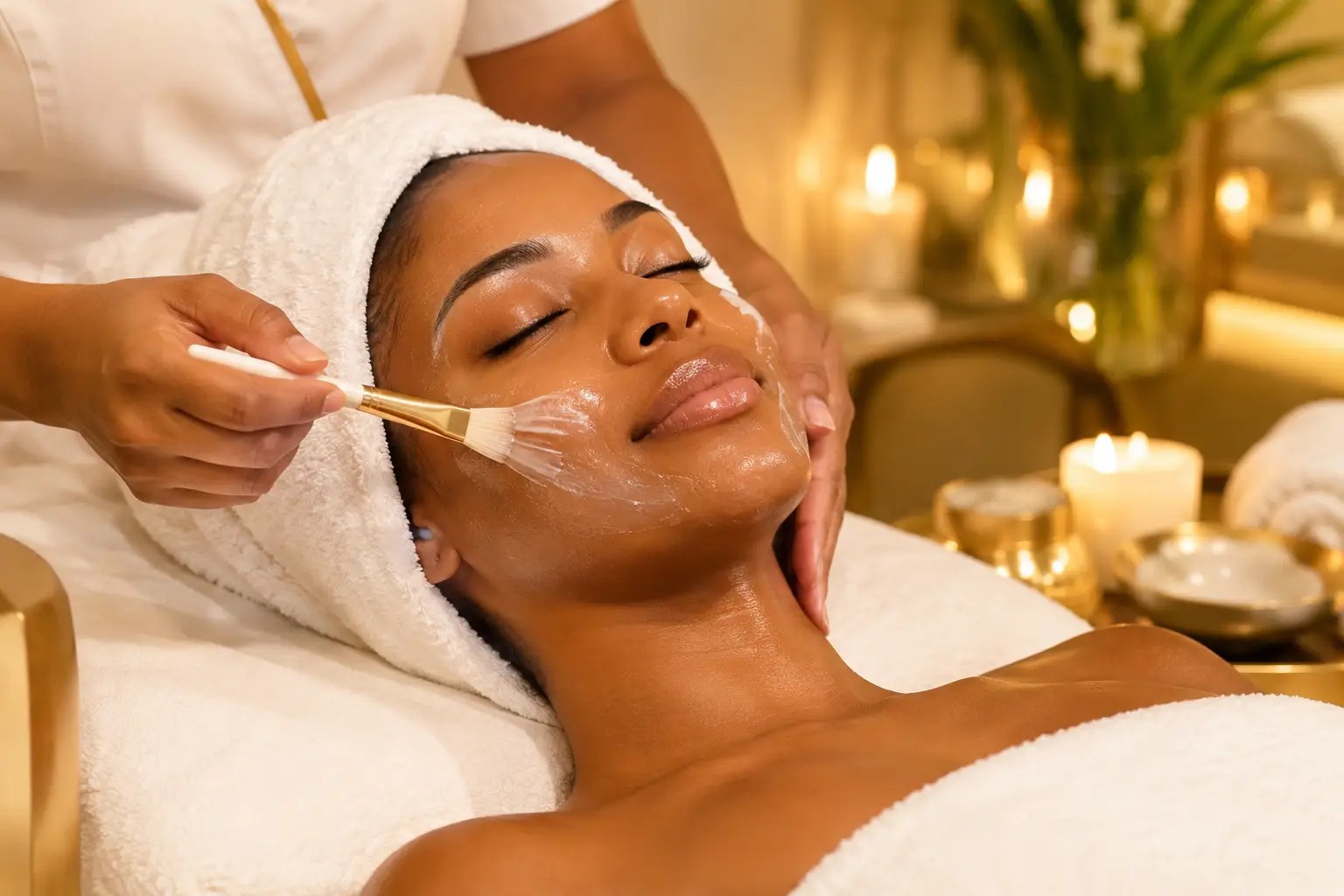
The glow after a professional peel is not accidental. It is the visible result of carefully controlled exfoliation, renewed cell turnover, and a fresh start for your skincare routine. Knowing how to maintain peel results is what helps that smooth, clear, refined look last beyond the first few days – without overworking your skin in pursuit of more glow.
A chemical peel can address concerns ranging from dullness and uneven tone to breakouts, congestion, fine lines, and post-acne marks. Yet the treatment is only one part of the plan. Your at-home care, sun habits, and treatment timing all influence how your skin looks and feels in the weeks that follow.
After a peel, your skin may feel tight, warm, dry, or slightly sensitive. Depending on the type and strength of peel, you may experience visible flaking or shedding. This is a normal part of the process, but it is not a signal to scrub, pick, or speed things along.
Let peeling skin release on its own. Pulling at flakes can create unnecessary irritation and may lead to uneven healing or lingering discoloration, especially if you are prone to post-inflammatory hyperpigmentation. Treat your complexion as you would any freshly renewed surface: gently, patiently, and with protection.
For the first several days, keep your routine intentionally simple. Use a gentle cleanser, a soothing moisturizer, and broad-spectrum SPF during the day. If your aesthetician recommends a specific chemical peel aftercare product, use it as directed rather than adding new products because they sound promising. This is not the week to test a new retinol serum, facial oil, acid toner, or exfoliating mask.
Heat can make post-peel redness and sensitivity more noticeable. Skip hot yoga, steam rooms, saunas, very hot showers, and strenuous workouts for the timeframe your provider recommends. It is also wise to avoid facial waxing, scrubs, cleansing brushes, and rough washcloths while your skin is healing.
The exact restrictions depend on the peel you receive. A light peel may involve minimal downtime, while a more corrective treatment requires a longer recovery window. Follow your personalized instructions rather than relying on a friend’s experience or a generic social media timeline.
A polished complexion is often mistaken for an aggressively exfoliated one. In reality, healthy-looking skin needs a strong moisture barrier. The barrier is responsible for helping skin hold water and defend itself from environmental stressors. When it is compromised, you may notice stinging, dryness, irritation, breakouts, or a dull, rough texture – none of which support your peel results.
After the initial recovery period, focus on products that support hydration and comfort. Look for ingredients such as hyaluronic acid, glycerin, ceramides, squalane, and calming botanical extracts, provided they suit your skin. A well-formulated moisturizer is not an optional finishing step. It helps preserve the softness and bounce that make a peel look so refreshing.
Your cleanser matters, too. If your face feels squeaky, tight, or stripped after cleansing, it may be too harsh for daily use. A gentle cleanser can remove makeup, sunscreen, and the day’s buildup without leaving your skin depleted. Clients with oily or acne-prone skin sometimes worry that hydration will create congestion, but dehydrated skin can become reactive and may produce more oil to compensate. The right formula and texture make the difference.
At Mink Total Medical Spa & Wellness, a skincare consultation can help match your post-peel routine to your skin type, treatment plan, and tolerance level. This is especially helpful if you are managing acne, melasma, rosacea, or sensitivity alongside your desire for a brighter complexion.
They do. Freshly exfoliated skin is more susceptible to UV damage, and even brief sun exposure can contribute to redness, uneven tone, or the return of pigmentation concerns. Broad-spectrum SPF 30 or higher should be part of every morning, whether Charleston skies are bright and humid or the day looks overcast.
Apply sunscreen as the final step in your morning skincare routine, before makeup. Use enough to cover your face, neck, and any exposed chest area, and reapply when you are outdoors, driving for extended periods, sweating, or sitting near windows. A wide-brimmed hat and sunglasses provide another elegant layer of protection for beach days, outdoor lunches, and time on the water.
Sun protection is particularly non-negotiable after a peel intended to improve dark spots or uneven pigmentation. Without it, the very triggers you are trying to correct can continue to stimulate excess pigment production. A corrective treatment plan works best when professional care and daily habits are moving in the same direction.
Once your provider confirms your skin has recovered, active ingredients can help extend the benefits of a peel. The key is reintroduction, not overload. It is rarely necessary to use exfoliating acids, retinoids, acne treatments, and a peel all at once.
If you use retinol or prescription retinoids, begin again according to your provider’s guidance, often with fewer applications per week than you used before treatment. The same principle applies to glycolic acid, salicylic acid, lactic acid, benzoyl peroxide, and stronger vitamin C formulas. Introduce one active at a time so you can tell how your skin responds.
For acne-prone skin, a carefully selected acne cream or salicylic acid product may support clearer pores between appointments. For discoloration, antioxidant and brightening serums can be useful once skin is calm. For mature or textured skin, retinoids may support collagen-focused goals over time. What works best depends on your concern, your peel series, and your skin’s current resilience.
More is not always better. Persistent stinging, red patches, new flaking, or an unusually shiny, tight appearance may be your skin asking for a pause. Return to gentle cleansing, hydration, and SPF, then check in with your skincare professional before continuing actives.
Peels produce their most meaningful changes when they are part of a consistent corrective care plan. One treatment before a special event can create a beautiful short-term refresh. A series of treatments, supported by professional-grade home care, is more likely to improve concerns such as persistent acne, visible congestion, texture, sun damage, and uneven tone.
Your ideal frequency depends on the peel formula, your skin goals, and the season. Some clients benefit from a series scheduled several weeks apart; others do better with occasional maintenance peels and a steady home routine. If you spend significant time outdoors, travel frequently, or have an event on the calendar, your provider may adjust the timing to protect your comfort and results.
Do not judge progress only by how much you peel. Visible flaking is not a measure of effectiveness. Some peels work with little to no shedding, while others create more noticeable exfoliation. Pay attention instead to changes in clarity, texture, tone, breakouts, and how your skin accepts makeup and skincare over time.
Your skin responds to more than products. Poor sleep, chronic stress, dehydration, alcohol, and a hectic schedule can all make inflammation, dullness, and breakouts more difficult to manage. That does not mean a perfect lifestyle is required for good skin. It means that small, repeatable forms of self-care can complement your treatment plan.
Drink water consistently, prioritize sleep when possible, and resist the urge to touch or pick at your face during stressful days. Clean makeup brushes and pillowcases regularly, especially if you are acne-prone. If you are exercising, cleanse gently after sweating rather than letting sweat, sunscreen, and makeup remain on the skin for hours.
For many clients, the most luxurious part of skincare is not a complicated ten-step ritual. It is the confidence of having a routine that feels calm, effective, and realistic enough to follow. Protect your investment with a little patience after each peel, and let your skin’s gradual improvement be the result you return to again and again.
Thoughtful self care gift card ideas for stress relief, brighter skin, and restorative time tailored…
See how a wellness spa combines customized skincare, restorative massage, and calming rituals for visible…
Learn how to prepare for a facial with simple, skin-smart steps that protect your barrier,…
Considering West Ashley chemical peels? Learn how customized peel selection, preparation, and aftercare can support…
Find top skincare gifts for women, from professional-grade SPF and serums to restorative rituals chosen…
Learn how to calm irritated skin with a gentle recovery routine, smart ingredient choices, and…
This website uses cookies.