Build a Stress Relief Self Care Routine

Some forms of stress announce themselves loudly – a racing mind at 2 a.m., tension in your shoulders, skin that suddenly feels reactive, dull, or inflamed. Other forms settle in quietly. You move through your week on autopilot, keep performing at a high level, and tell yourself you will rest later. A well-designed stress relief self care routine interrupts that pattern before it starts showing up everywhere – in your energy, your mood, your sleep, and often, your skin.
For many women, stress management advice fails for one simple reason: it asks too much when you already have too much on your plate. The right routine should not feel like another obligation. It should feel restorative, polished, and realistic enough to repeat. That is where the difference lies. Relief does not come from a perfect plan. It comes from a steady one.
What a stress relief self care routine should actually do
A useful routine does more than create a pleasant moment. It should help your body shift out of constant alert, lower the sense of internal noise, and give your mind predictable places to land throughout the day. If it also supports your skin, even better. Stress has a way of showing up on the face through breakouts, dehydration, sensitivity, and a tired overall tone.
That is why self-care works best when it is both sensory and strategic. A warm shower can relax muscles, but pairing it with a gentle body product, slower breathing, and a clear end-of-day skincare ritual turns a basic habit into a signal of safety and closure. The details matter because the nervous system responds to repetition.
There is also a trade-off to keep in mind. If your routine is too ambitious, you will abandon it. If it is too minimal, it may not create enough of a shift to feel helpful. The sweet spot is a rhythm you can maintain during busy weeks, not just ideal ones.
Start with three anchors, not a full life overhaul
The most effective stress relief self care routine usually begins with three anchor points: one in the morning, one in the middle of the day, and one in the evening. This creates structure without asking you to reinvent your calendar.
Your morning anchor should be simple and grounding. That might mean drinking water before coffee, stepping outside for five minutes of natural light, or doing your skincare at the sink without multitasking. A cleanser, antioxidant serum, moisturizer, and SPF can become more than a beauty habit when done with intention. It is a way of meeting yourself before the demands of the day start rushing in.
Your midday anchor should lower physical tension. This is often the most neglected part of stress care because the workday feels nonnegotiable. But even brief resets count. A short walk, a few shoulder rolls between meetings, or ten slow breaths before checking your next email can interrupt the buildup. If your stress tends to show up as jaw tension, headaches, or fatigue, this middle reset may matter more than the longer evening ritual you keep postponing.
Your evening anchor should tell your body the day is ending. That may include cleansing away makeup and sunscreen, applying targeted skincare, dimming lights, and stepping away from your phone earlier than usual. If sleep is one of the first things stress disrupts, your nighttime habits deserve more attention than your to-do list gives them.
Build around the senses to make the routine stick
Many people try to manage stress intellectually. They make a plan, read advice, and promise themselves they will be more balanced. But the body often responds faster to sensory cues than to logic.
This is why touch, temperature, texture, and scent can make a routine feel far more effective. A warm facial towel, a rich moisturizer, a quiet room, or the pressure relief of professional massage can all help signal that it is safe to soften. Luxury is not frivolous here. When thoughtfully chosen, it becomes functional. The experience itself helps downshift the nervous system.
That does not mean every routine needs candles and an hour of silence. Sometimes a calming sensory experience is simply a consistent skincare ritual that feels elegant instead of rushed. Using products that suit your skin type matters because irritation and congestion add another layer of stress. For acne-prone or reactive skin, a corrective but gentle routine often works better than aggressive products that leave the barrier compromised.
A curated approach is especially helpful when stress and skin concerns overlap. The right cleanser, serum, moisturizer, and SPF can support visible results while preserving the feeling of care. If your skin becomes inflamed during high-stress seasons, professional guidance can save you from cycling through products that promise relief but create more confusion.
The role of professional treatments in a realistic routine
At-home care carries the routine forward, but professional treatments can deepen the results. This is particularly true when stress has become chronic and the signs are showing up physically.
Massage therapy is one of the most direct ways to address muscular tension, mental fatigue, and the sense of being stuck in overdrive. It can improve how you feel in your body almost immediately, which is why many busy clients find it easier to stay consistent with self-care after a massage becomes part of their schedule. Relief feels more tangible.
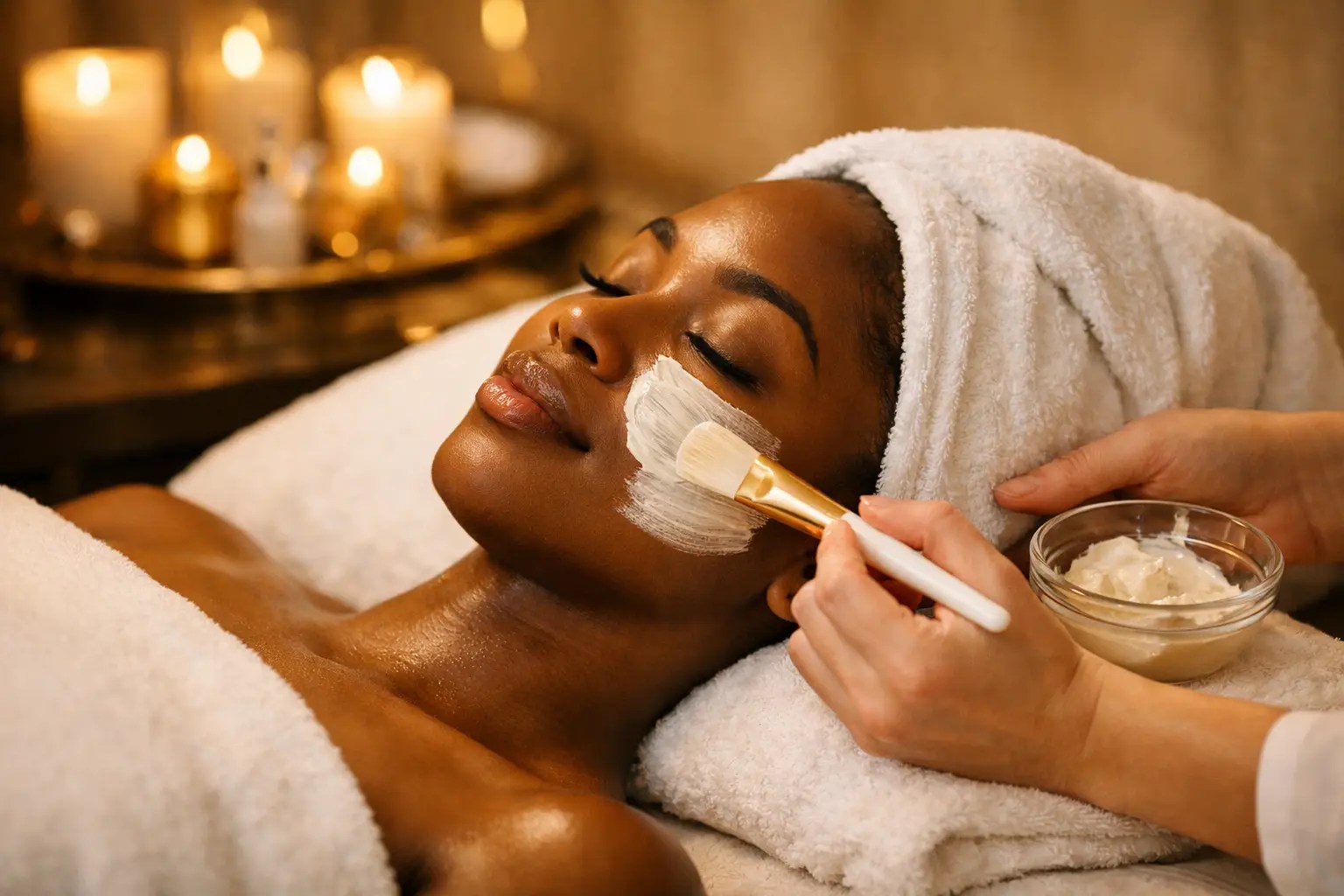
Facials also deserve more credit in the stress conversation. Yes, they improve the skin. But they also create a structured pause, a quiet environment, and hands-on care that many high-functioning women rarely allow themselves to receive. When stress is fueling breakouts, dehydration, or dullness, a professional facial can support both emotional restoration and skin correction at once.
For some clients, the smartest routine is a hybrid one: manageable home care during the week, then a standing facial or massage appointment for deeper maintenance. That approach is often more sustainable than trying to do everything yourself.
What to include when your schedule is packed
If your calendar is full, your routine needs a shorter version. Not a skipped version – a streamlined one.
On your busiest days, think in layers. One layer should calm the body, one should support the skin, and one should reduce mental overload. That could look like five minutes of quiet before everyone else wakes up, a simplified skincare routine with proven essentials, and one evening boundary such as no email after a certain hour. It does not have to be dramatic to be effective.
This is also where convenience matters. Keeping your skincare visible, booking appointments in advance, and choosing products you genuinely enjoy using all reduce friction. The easier it is to follow through, the more likely your routine becomes part of your life rather than another ideal you admire from a distance.
For women balancing work, family, travel, and social obligations, consistency often comes from elegance and efficiency. A refined cleanser that does not strip the skin, a moisturizer that restores comfort, and an SPF you will actually wear every day can do more for your long-term wellbeing than an overflowing bathroom shelf.
When your routine needs to change
A good stress relief self care routine is not fixed forever. It should flex with your season of life.
During intense work periods, the goal may be maintenance and nervous system support. During calmer months, you may have more room for longer rituals or more corrective treatments. Hormonal shifts, travel, weather, and changes in skin behavior can all affect what feels supportive.
If your usual routine suddenly stops working, pay attention rather than pushing harder. Maybe your skin needs barrier repair instead of exfoliation. Maybe what you call laziness is actually exhaustion. Maybe stress relief needs to look less like productivity and more like rest.
This is one reason personalized care matters. At Mink Total Medical Spa & Wellness, many clients benefit from professional support that blends restorative treatment with targeted skincare recommendations, especially when stress is affecting both how they feel and how their skin behaves. The most effective plan is rarely the most complicated one. It is the one tailored to what your body and skin are asking for now.
A beautiful routine should leave you feeling more like yourself, not more behind. Start small, make it sensory, and let it be refined enough to feel special and simple enough to repeat. Real relief often begins there.