
How Often Should You Get Facials?
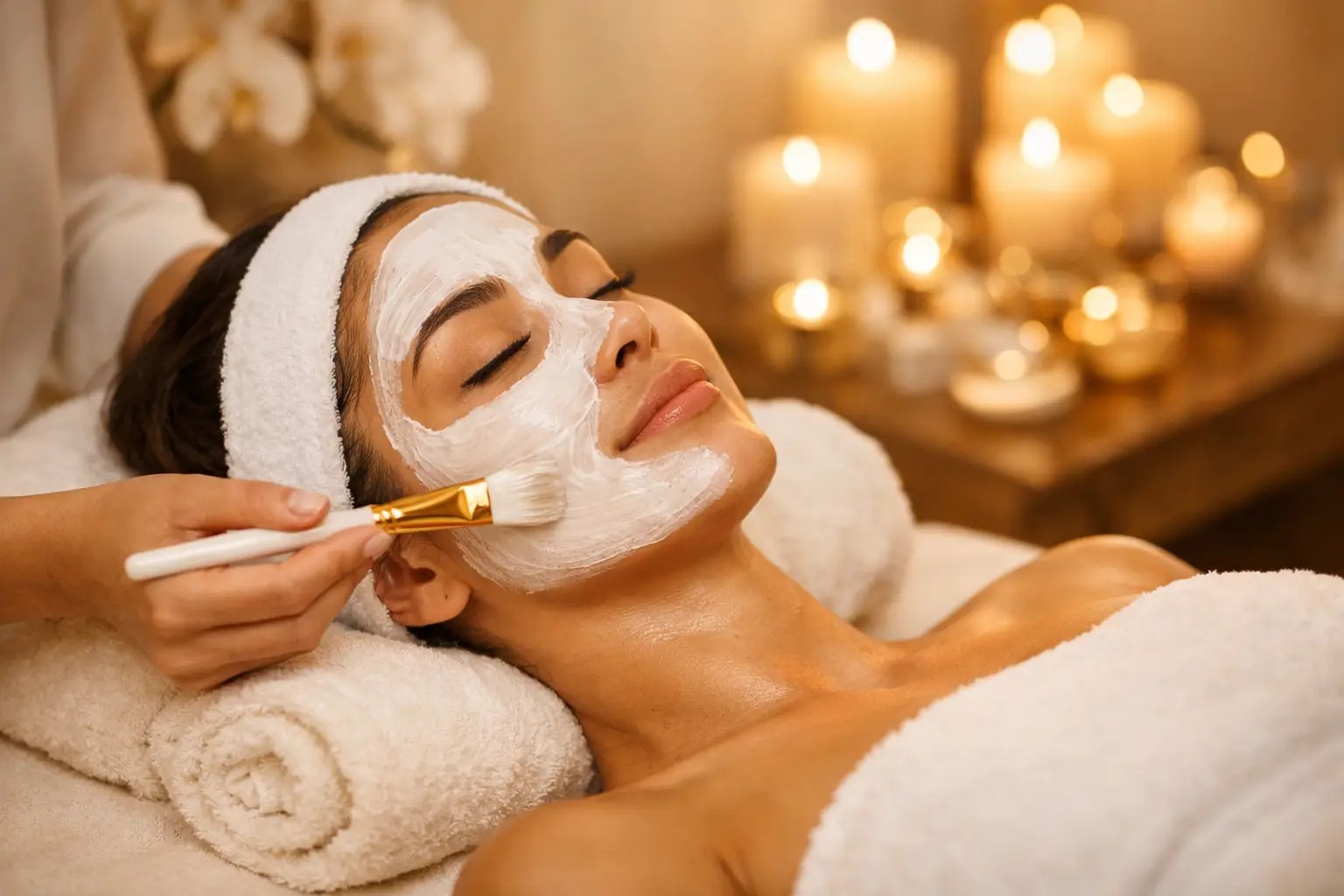
If you have ever looked in the mirror after a great facial and thought, I should do this all the time, you are not alone. But when clients ask how often should you get facials, the honest answer is not every week for everyone, and it is not once a year when your skin is in crisis. The right cadence depends on your skin, your goals, and what kind of treatment your skin can realistically benefit from.
A well-timed facial does more than create a temporary glow. Professional treatments can support exfoliation, hydration, circulation, congestion management, and overall skin function. At the same time, too-frequent treatments, especially aggressive ones, can leave skin irritated, sensitized, or simply overwhelmed. The best facial schedule feels intentional, not excessive.
How often should you get facials for healthy skin?
For many adults, a facial every 4 to 6 weeks is a strong starting point. That window lines up well with the skin’s natural renewal cycle, which is often cited at about 28 days, though in reality it can slow with age, stress, and environmental exposure. Seeing your aesthetician monthly gives your skin regular professional support while allowing enough time to respond between visits.
That said, monthly facials are not a rule carved in stone. Some skin thrives with more frequent support during a breakout cycle or seasonal transition. Other skin, especially if it is sensitive or already on an active home regimen, may do better with a little more space between appointments. Consistency matters more than intensity.
If your schedule and budget allow for ongoing maintenance, monthly facials often deliver the best long-term results. They give your provider a chance to track changes, adjust treatments, and address concerns before they become harder to correct.
Your ideal facial schedule depends on your skin goals
Not all facials are designed for the same outcome, and that is where timing gets more nuanced. A relaxing, hydrating facial may be appropriate more regularly than a corrective treatment focused on resurfacing or acne management.
If your goal is maintenance and glow
If your skin is generally balanced and you want to maintain clarity, smoothness, and a polished appearance, every 4 to 6 weeks is usually ideal. This is often the sweet spot for busy professionals who want visible results without overcomplicating their routine.
Regular maintenance facials help keep dead skin from building up, support hydration, and give your provider a chance to catch subtle shifts in your skin before they turn into dullness, congestion, or irritation. Think of it as preventive skincare with a restorative edge.
If you are working on acne or congestion
Breakout-prone skin often benefits from a more structured treatment plan at the beginning. In some cases, facials every 2 to 4 weeks for a short period can help calm inflammation, clear congestion, and support better product penetration at home.
This does not mean more is always better. Acneic skin can also become irritated if extractions, exfoliation, or active ingredients are used too aggressively. The right frequency depends on how inflamed your skin is, whether you are also using prescription products, and how well your barrier is holding up.
If you want anti-aging and corrective results
If your focus is fine lines, uneven texture, dehydration, or loss of radiance, monthly facials are often a smart rhythm. Corrective care tends to work best when treatments build on each other over time rather than being spaced so far apart that progress stalls.
For more advanced concerns, your provider may recommend alternating facial treatments with services like chemical peels or targeted upgrades. In that case, the timing should be customized so your skin has room to recover and respond.
If your skin is sensitive or reactive
Sensitive skin often needs a gentler pace. A calming facial every 6 to 8 weeks may be more appropriate, especially if your skin flushes easily, reacts to exfoliation, or is recovering from overuse of active products.
In these cases, the goal is not to do less care. It is to do the right care with precision. Barrier support, hydration, and soothing treatments can be deeply beneficial when they are timed thoughtfully.
How often should you get facials based on skin type?
Skin type offers helpful guidance, but it should never be the only factor.
Oily or acne-prone skin often does well with facials every 3 to 4 weeks, at least initially. This can help manage congestion and keep pores clearer between visits.
Combination skin often falls into the 4 to 6 week range. These clients may need a balanced approach that addresses oiliness in one area and dehydration in another.
Dry or mature skin typically benefits from facials every 4 to 6 weeks as well, especially when the focus is hydration, gentle exfoliation, and skin renewal.
Sensitive skin may do best every 6 to 8 weeks, depending on the treatment plan. Some clients can tolerate monthly facials beautifully, while others need a slower rhythm with fewer variables introduced at each visit.
This is why personalized skin consultations matter. Two people can both have dry skin and need completely different schedules based on age, product use, stress, travel, hormones, or recent sun exposure.
Treatment type changes the timeline
One of the biggest mistakes people make is talking about facials as if they are all the same. They are not.
A classic spa facial centered on cleansing, hydration, and relaxation may be appropriate monthly or even more often before a special event. A deep exfoliating facial, an acne-focused treatment with extensive extractions, or a professional peel protocol usually requires more spacing.
If you are receiving stronger corrective services, your provider may recommend a series followed by maintenance. That structure often works better than booking random appointments whenever your skin starts to feel dull. Skin responds well to strategy.
It is also worth mentioning event timing. If you are preparing for a wedding, photos, or an important presentation, do not schedule a new or intensive facial for the first time right before the event. Ideally, corrective treatments happen well in advance, and a gentle glow-focused facial is booked closer to the date.
Lifestyle matters more than people think
Even the most beautifully designed treatment plan has to fit real life. Stress, sleep, travel, hormones, and climate all show up on the skin.
For clients in coastal areas like Charleston, regular sun exposure, humidity, and heat can create a different set of skincare needs than a drier climate would. Skin may need more support with congestion in one season and more barrier repair in another. If you travel frequently, wear makeup daily, work long hours, or spend time outdoors, your facial schedule may need adjusting.
This is also where home care comes in. If you are using well-chosen professional products consistently, you may be able to maintain results beautifully between facials. If your home routine is minimal, inconsistent, or not suited to your skin, you may feel like your facial results fade faster.
Professional treatments and home care are not competing options. They work best together.
Signs you may need facials more often or less often
If your skin is feeling persistently congested, rough, dull, dehydrated, or difficult to balance, it may be time to come in more regularly. The same is true if you are actively working through acne, post-inflammatory discoloration, or visible texture concerns.
On the other hand, if your skin seems red, tight, sensitized, or reactive after treatments, your schedule may need to be spaced out, or your treatment type may need to be adjusted. Good skincare is not about pushing through irritation in the name of results.
A thoughtful provider will watch how your skin responds over time and make recommendations accordingly. That is where the value of a relationship-based practice becomes clear. Skin is not static, and your treatment plan should not be either.
A realistic approach to facial frequency
If monthly facials are ideal for your skin but not realistic for your calendar, do not assume occasional care is pointless. A facial every 6 to 8 weeks, paired with strong home care, can still make a meaningful difference. The key is to stay consistent enough that your provider can build on progress rather than starting from scratch each time.
For many women balancing work, family, and a long list of responsibilities, facials are not simply an indulgence. They are a structured way to support skin health and create protected time for restoration. That combination of corrective care and calm is part of what makes the experience worth returning to.
At Mink Total Medical Spa & Wellness, that is the philosophy behind long-term skincare support. The goal is not to overbook your calendar. It is to recommend what your skin truly needs, at a pace that feels effective, sustainable, and deeply personalized.
The best answer to how often should you get facials is this: often enough that your skin stays supported, not so often that it becomes stressed, and always with a plan that reflects the life you actually live.


