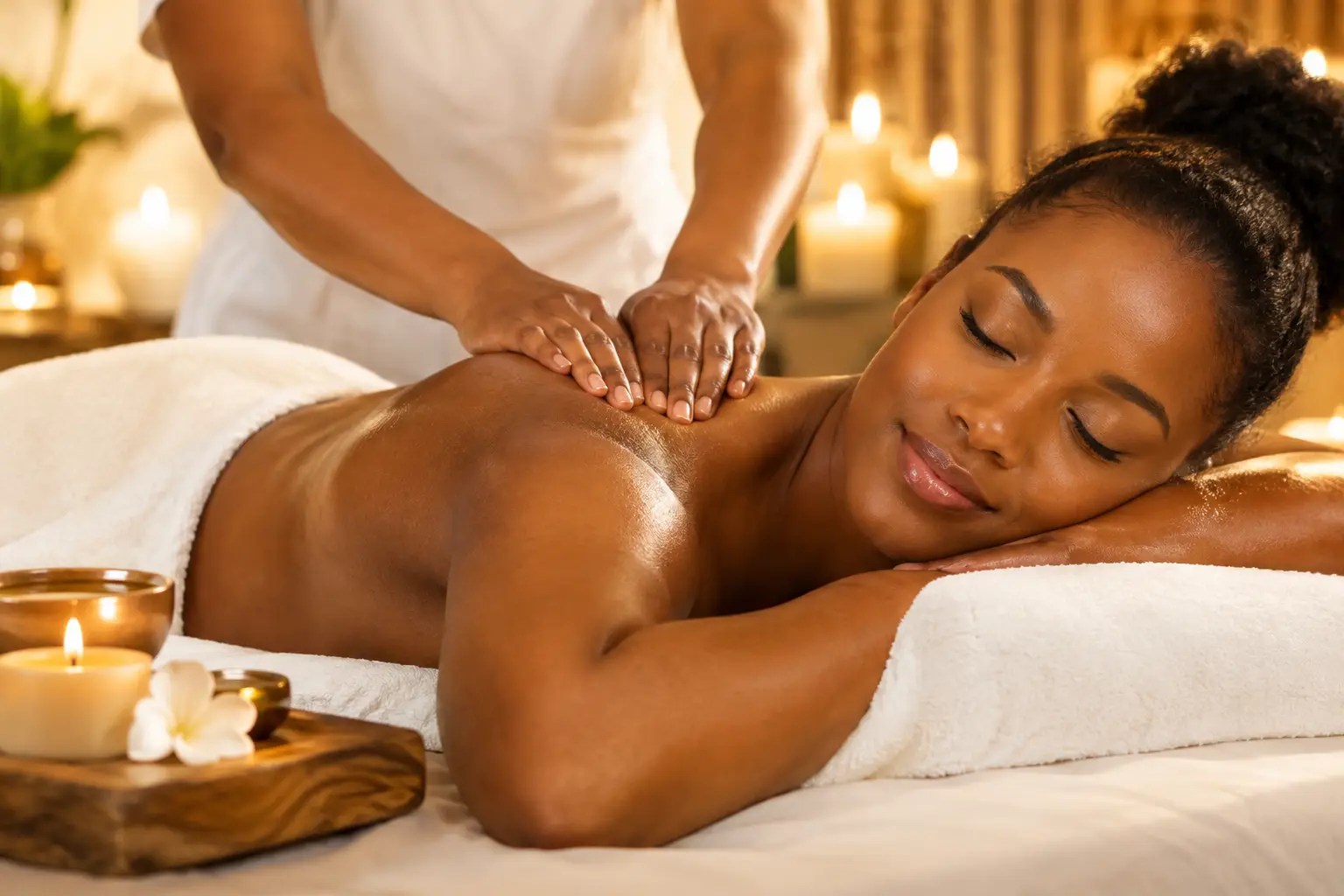
A packed calendar, shallow sleep, tense shoulders, and skin that suddenly seems less cooperative can all feel like signs that stress has taken over. So, does massage lower cortisol? Often, it can support a short-term reduction in this primary stress hormone, particularly when massage helps the body shift out of a sustained state of tension. The more useful answer, however, is that massage is not a hormone reset button. It is a deeply restorative part of a larger routine that can help your nervous system recover.
For busy professionals, that distinction matters. The goal is not to chase a single lab value after one appointment. It is to create regular, protected space where your body can soften, your mind can settle, and the effects of chronic stress have less opportunity to show up in your sleep, mood, muscles, and skin.
Cortisol is a hormone made by the adrenal glands. It helps regulate blood sugar, blood pressure, metabolism, immune activity, and the body’s response to challenge. Cortisol is not inherently harmful. In fact, you need it to wake up, focus, and respond appropriately when something demands your attention.
The concern is prolonged activation. When work pressures, caregiving, travel, poor sleep, illness, or constant notifications keep the stress response switched on, cortisol patterns can become less well regulated. Many people experience this as racing thoughts, muscle guarding, fatigue, disrupted sleep, headaches, digestive changes, or a sense that they cannot fully relax even when they have time off.
Research on massage therapy has found that a single session can be associated with lower cortisol levels, especially when measured shortly afterward. Studies vary widely in the style and duration of massage, the people studied, and the way cortisol is tested, so results are not identical from one study to another. Still, the overall pattern supports what many clients notice on the table: slower breathing, less physical tension, and a calmer internal pace.
That does not mean every massage will produce the same hormonal response. Cortisol naturally rises and falls throughout the day, with its highest levels usually occurring in the morning. Sleep quality, caffeine, exercise, medication, illness, menstrual cycles, and the stress of simply rushing to an appointment can influence a measurement. A massage should be viewed as supportive care, not as a diagnostic test or treatment for an endocrine disorder.
Massage works on more than tight muscle tissue. Thoughtful, professional touch in a quiet setting can encourage the parasympathetic nervous system, often called the rest-and-digest response. This is the side of your nervous system associated with slower heart rate, easier breathing, digestion, and recovery.
During a well-paced session, you are also removing common inputs that keep the body on alert. There is no screen to answer, no meeting to manage, and no need to perform. The room is intentionally designed for comfort. Your breathing slows. Muscles that have been bracing all day receive permission to release.
The pressure itself matters, but it is not the only factor. For some clients, firm therapeutic work is the most relieving option because chronic neck, shoulder, or hip tension is contributing to discomfort. For others, a gentler relaxation massage is more effective because intense pressure can feel overstimulating when the nervous system is already taxed. The best session is not necessarily the deepest one. It is the one that meets your body where it is that day.
When stress is persistent, it tends to leave visible and physical clues. You may clench your jaw, hold your shoulders high, experience tension-related discomfort, or sleep lightly. Some people also notice that their complexion looks duller, more reactive, or more prone to stress-related breakouts.
Massage cannot replace targeted medical or skincare care, but reducing the load of stress can complement both. Better relaxation after a session may make it easier to fall asleep at a reasonable hour. Less muscular tension may make everyday movement more comfortable. A calmer evening can make it easier to follow through with the simple rituals that keep skin supported: gentle cleansing, prescribed or professional corrective products as directed, moisturizer, and daily SPF.
This is where consistency becomes more valuable than chasing an occasional rescue appointment. A massage before a major event can feel wonderful, but regular care may be more meaningful for someone who repeatedly reaches the end of the week exhausted and physically wound up. The ideal rhythm depends on your schedule, budget, stress level, and treatment goals. For some people, monthly massage is a realistic anchor; for others, seasonal appointments plus at-home recovery practices are the right fit.
There is no single massage style that is universally best for cortisol or stress relief. A customized relaxation massage is often an excellent starting point because it allows the therapist to adjust pressure, focus areas, and pacing based on your needs.
If you spend hours at a desk, you may benefit from concentrated work through the upper back, neck, shoulders, forearms, and hips. If your stress presents as general restlessness and sleep disruption, a full-body session with a slower pace may be more appropriate. Communicate openly before your service about recent pain, surgeries, pregnancy, sensitivity to pressure, health conditions, and what you hope to feel afterward.
A useful question to ask yourself is not, “How much pressure can I tolerate?” but “What will help me leave feeling genuinely restored?” Sometimes the answer is focused therapeutic work. Sometimes it is a quiet hour with lighter pressure and no agenda beyond rest.
You do not need an elaborate wellness routine to make space for recovery. The hour after your massage is a valuable transition. If possible, avoid scheduling a high-pressure call, intense workout, or rushed errand immediately afterward. Give your nervous system a chance to stay in the calmer state you just created.
Drink water because hydration supports normal body function, not because massage somehow flushes toxins from the body. Eat a balanced meal if you are hungry, and notice whether your muscles feel better with gentle movement or true rest. Many clients find that a warm shower, earlier bedtime, or a screen-free evening preserves the sense of ease far better than returning directly to a demanding schedule.
Between appointments, small practices can reinforce the same message of safety to the body. A brief walk outdoors, a few minutes of slow breathing, regular meals, strength and mobility work, and realistic boundaries around work all matter. Massage is most effective when it is part of care that respects your whole life, rather than the only moment you allow yourself to pause.
Stress symptoms deserve compassion, but they should not always be attributed to cortisol alone. Persistent exhaustion, unexplained weight changes, significant sleep problems, frequent dizziness, new anxiety or depression, irregular periods, or changes in blood pressure should be discussed with a qualified healthcare professional. If you have been diagnosed with an adrenal, thyroid, cardiovascular, bleeding, or inflammatory condition, ask your medical provider whether massage is appropriate and what modifications may be needed.
Massage therapists can adapt a session for comfort and safety, but they do not diagnose hormonal disorders. That boundary is part of quality care. A professional wellness experience should leave you feeling supported, not pressured to interpret every symptom on your own.
At Mink Total Medical Spa & Wellness, massage is approached as personalized restorative care, not a one-size-fits-all escape. Your session can be tailored to the areas where you carry stress most, whether that is a desk-weary neck and shoulders, tired legs, or the all-over tension that comes from doing too much for too long.
The most lasting luxury is not simply feeling relaxed for an hour. It is learning to treat restoration as a nonnegotiable part of maintaining your energy, comfort, and confidence.
Facial or peel? Learn how each treatment supports acne, dullness, texture, and glow, plus when…
Compare hair removal options, prepare skin thoughtfully, and choose a personalized approach that leaves you…
Daniel Island massage therapy can ease tension, support recovery, and create a restorative routine tailored…
Learn how to choose facial sunscreen for your skin type, routine, and Charleston sun exposure…
Skin rejuvenation is not one treatment. Learn how personalized facials, peels, skincare, and recovery habits…
Retinol vs vitamin c can brighten, smooth, and clarify skin - but timing matters. Learn…
This website uses cookies.